

Your blood pressure naturally spikes within the first three hours of waking, creating a critical window where cardiovascular events are most likely to occur due to stiffening arteries.
This morning surge often leaves you feeling physically frazzled, with a racing heart and a palpable sense of anxiety before your day even begins.
You can neutralize this biological ticking clock by adjusting how your nervous system transitions from sleep to wakefulness.
Morning Heart Guardian
1. Waking Up to Jarring Noise

The sound you choose to wake up to acts as the first signal to your cardiovascular system. Using a loud or aggressive alarm triggers an immediate fight or flight response that floods your bloodstream with adrenaline and cortisol.
This sudden chemical dump causes your heart rate to spike dangerously fast, putting unnecessary strain on your blood vessels before you have even moved.
Current data on heart rate variability shows that this abrupt stimulation prevents your autonomic nervous system from regulating pressure effectively throughout the rest of the morning.
- Switch to a sunrise alarm that uses gradually increasing light to wake you gently.
- Select a ringtone that starts at a low volume and slowly increases in intensity.
- Avoid standard radar or siren noises that mimic emergency alerts.
2. Hitting the Snooze Button
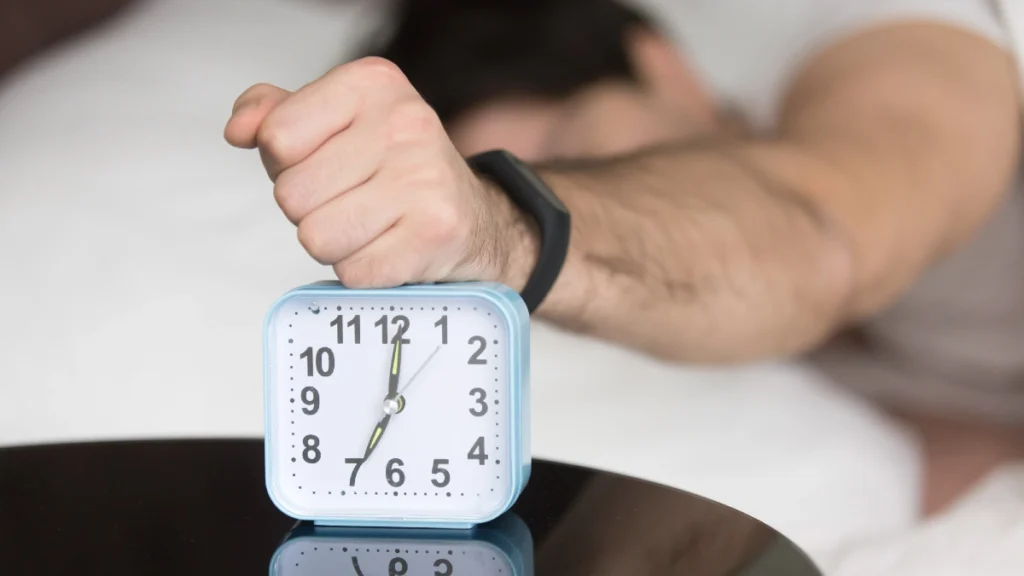
Drifting back to sleep after your alarm goes off creates a state of fragmented rest known as sleep inertia. When you repeatedly wake up and fall back asleep, you confuse your brain and interrupt the restorative REM cycles your heart relies on for recovery.
This process places significant stress on your autonomic nervous system because it forces your heart to restart its wake up procedure multiple times in a short window.
The result is a prolonged period of grogginess and a higher resting heart rate that persists well into the afternoon.
- Place your alarm clock across the room to force a single wake up event.
- Keep a glass of water next to the alarm to drink immediately after turning it off.
- Commit to getting out of bed the moment your eyes open to prevent sleep fragmentation.
The Wake-Up Win
-
Across the Room
Place your alarm clock across the room to force a single wake-up event.
-
Immediate Hydration
Keep a glass of water next to the alarm to drink immediately after turning it off.
-
Instant Rise
Commit to getting out of bed the moment your eyes open to prevent sleep fragmentation.
3. Checking Your Phone Immediately

Loading your brain with information the second you open your eyes triggers a rapid dopamine and cortisol reaction. When you check emails or read the news while still in bed, you force your brain to process high levels of stress before your body is hemodynamically stable.
This mental load signals to your body that there is an immediate emergency, causing your blood pressure to rise sharply to match the perceived psychological stress.
Your nervous system requires a buffer period to transition from the relaxed state of sleep to the demands of the day.
- Wait at least ten minutes before looking at any digital screen.
- Use a dedicated weather app instead of social media if you need to check the forecast.
- Charge your phone outside the bedroom to remove the temptation completely.
4. Staying Dehydrated

Your body loses a significant amount of fluid overnight through breathing and perspiration. By the time morning arrives, your blood viscosity is naturally higher, which means your blood is thicker and harder for your heart to pump.
If you begin your day without replenishing these fluids, you increase the resistance within your arteries and raise the risk of clot formation during the morning hours.
Rehydrating immediately helps thin the blood and reduces the mechanical load on your heart as it circulates oxygen to your muscles.
- Drink eight to twelve ounces of room temperature water immediately upon waking.
- Prepare your water glass the night before to reduce friction in your routine.
- Consume water before drinking any diuretics like coffee or tea.
The Hydration Jumpstart
-
Drink Up First
Drink 8-12 oz of room temperature water immediately upon waking.
-
➜
Prep the Night Before
Prepare your water glass the night before to reduce friction in your routine.
-
Before Caffeine
Consume water before drinking any diuretics like coffee or tea.
5. Drinking Coffee Too Early

Consuming caffeine right after waking interferes with your body’s natural cortisol production. Your stress hormones naturally peak between eight and nine in the morning to help you wake up, and adding caffeine on top of this creates a compound stress effect.
This combination overstimulates your cardiovascular system and can lead to jitters and higher blood pressure readings.
Recent research on caffeine timing suggests that delaying your intake allows your body to utilize its own wakefulness hormones first, resulting in smoother energy levels later.
- Wait ninety minutes after waking up before consuming your first cup of coffee.
- Allow your natural cortisol levels to drop before introducing stimulants.
- Use the waiting period to focus on hydration and light exposure.
6. Sitting Immediately After Waking

Moving directly from your bed to a chair causes blood to pool in your lower extremities. Your circulatory system relies on muscle movement to help pump blood back up to the heart against gravity, especially after lying flat for hours.
When you sit down immediately, you force your heart to work much harder to maintain blood flow without the assistance of the muscle pump mechanism in your legs.
A sedentary start to the day contributes to orthostatic stress and prevents your circulation from normalizing efficiently.
- Spend two to three minutes pacing or stretching while your coffee brews.
- Perform gentle calf raises to activate the muscles that assist venous return.
- Avoid checking emails or reading while sitting until you have moved your body.
7. Eating Naked Carbohydrates

Consuming carbohydrates without protein or healthy fats causes a rapid spike in blood glucose levels. For those over fifty, these sharp sugar spikes can damage the endothelial lining of the blood vessels and contribute to vascular aging.
A breakfast consisting solely of toast, cereal, or a bagel creates an insulin response that leaves you tired and increases inflammation within the arteries.
Pairing carbohydrates with other macronutrients slows down absorption and provides a steady release of energy that protects your metabolic health.
- Always pair carbohydrates with a protein source like eggs or yogurt.
- Add healthy fats like avocado or nuts to slow down sugar absorption.
- Avoid sugary pastries or cereals as a standalone meal.
The Carb Companion
-
Pair with Protein
Always pair carbohydrates with a protein source like eggs or yogurt.
-
Add Healthy Fats
Add healthy fats like avocado or nuts to slow down sugar absorption.
-
No Standalones
Avoid sugary pastries or cereals as a standalone meal.
8. Skipping Breakfast

Ignoring your morning meal can disrupt the peripheral clocks located in your liver and gut. These internal timing mechanisms rely on food intake to synchronize with your brain’s central clock and regulate your metabolism for the day.
Skipping breakfast has been linked to an increased risk of cardiovascular issues because it keeps your body in a prolonged stress state and forces it to mobilize energy reserves inefficiently.
Establishing a consistent eating window helps regulate blood pressure and keeps your metabolic genes functioning correctly.
- Ensure your eating window begins by ten or eleven in the morning if you fast.
- Consume a small, protein rich snack if you do not feel ready for a full meal.
- Avoid pushing your first meal to the afternoon to protect your circadian rhythm.
9. Ignoring Oral Hygiene

Bacteria accumulate in your mouth overnight and can enter your bloodstream if not removed. When you eat breakfast before brushing, you swallow this bacterial load, but the bigger risk comes from gum inflammation that allows pathogens to enter your circulation.
Systemic inflammation is directly linked to the development of heart valve disease and the hardening of arteries over time.
Brushing your teeth first thing in the morning reduces this bacterial burden and protects your vascular system from unnecessary inflammatory responses.
- Brush your teeth immediately after getting out of bed.
- Rinse vigorously with water if you prefer to brush after eating.
- Focus on gum health to prevent oral bacteria from entering the bloodstream.
10. Missing Morning Light

Your circadian rhythm relies on bright light to signal that the day has begun. Staying in a dark or dimly lit environment delays the suppression of melatonin and prevents your body from effectively regulating blood pressure.
Exposure to natural daylight within the first hour of waking acts as a powerful cue that aligns your biological clock and improves your metabolic health.
Without this signal, your body remains in a biological twilight that can lead to increased risks of obesity and diabetes.
- Get ten minutes of direct daylight within the first hour of waking up.
- Open curtains and blinds immediately to flood your home with natural light.
- Use a bright light therapy lamp if natural sunlight is not available.
11. Rushing Through Your Routine

Physical and mental rushing creates a sympathetic overdrive that drastically increases blood pressure. When you scramble to find your keys or race out the door, you amplify the natural morning surge and deny your nervous system the chance to stabilize.
Experts note that the body requires a calm transition period to adjust to the effects of gravity and the demands of movement.
A chaotic morning routine keeps your stress hormones elevated and puts unnecessary strain on your heart before you even reach your destination.
- Wake up fifteen minutes earlier to allow for a slower transition.
- Prepare your clothes and bags the night before to reduce decision fatigue.
- Move intentionally and slowly to keep your heart rate steady.
12. Inconsistent Wake Times

Varying your wake up time significantly between weekdays and weekends creates a condition known as social jetlag. This inconsistency confuses your biological clock and prevents your heart from knowing when to ramp up blood pressure and when to lower it.
The metabolic strain caused by shifting your sleep schedule is similar to traveling across time zones and negatively impacts your resting heart rate.
Maintaining a consistent rhythm helps your cardiovascular system predict demand and operate more efficiently.
- Keep your wake up time within a thirty minute window every day.
- Avoid sleeping in late on weekends to preserve your circadian alignment.
- Take a short mid day nap if you need extra rest instead of sleeping in.
The Sleep Anchor
-
Consistent Wake Up
Keep your wake up time within a 30-minute window every single day.
-
No Weekend Drift
Avoid sleeping in late on weekends to preserve your circadian alignment.
-
⚡
Power Nap
Take a short mid-day nap if you need extra rest instead of sleeping in.