

We are taught that strokes come with a loud and obvious event. We expect the slurred speech, the drooping face, and the paralyzed arm that demands an immediate call for help.
But what if the most dangerous kind of stroke comes with a whisper instead of a bang? Imagine suffering a stroke but continuing your day as if nothing happened only to realize months later that your memory is fading.
This is the reality for millions of people who experience Silent Cerebral Infarctions. These silent strokes happen quietly and cause small amounts of damage that accumulate over time.
Brain Fog Detector
Scan Complete
Silent strokes accumulate damage. If you recognized these signs, consult a doctor immediately.
1. Sudden Executive Dysfunction

It is easy to blame a lapse in planning on being tired or stressed. However sudden trouble with organizing tasks is a major red flag for silent stroke damage in the frontal lobe.
This part of the brain manages your ability to plan steps and make decisions. When the wiring here gets damaged by a small clot thinking slows down and simple multi step tasks become frustratingly hard.
- Struggling to calculate a tip at a restaurant
- Getting confused while following a familiar recipe
- Inability to plan your day or manage a schedule
- Trouble multitasking between two simple activities
2. Fleeting Memory Gaps

There is a big difference between a senior moment and a sign of brain damage. A senior moment is forgetting where you put your keys while a silent stroke sign is forgetting what the keys are used for.
These gaps are distinct from dementia because they happen suddenly rather than declining slowly over years. You might lose a specific chunk of time or have absolutely no recollection of a conversation you had just yesterday.
- Forgetting a conversation that happened recently
- Losing small chunks of time during the day
- Repeating questions because the answer was not stored
- Sudden inability to recall names of familiar people
The Memory Lapse Alert
-
Forgot That Chat?
Forgetting a conversation that happened recently (not just long ago).
-
Missing Time
Losing small chunks of time during the day.
-
Repeating Questions
Asking the same thing again because the answer was not stored.
3. Difficulty Concentrating

You might find that you can no longer focus on a book or a movie you previously would have enjoyed. The damage from a silent stroke disrupts the brain ability to hold attention for long periods.
This is often dismissed as just being distracted or tired but it is actually a processing failure. The brain has to work much harder to bypass the damaged areas which makes focusing feel physically exhausting.
- Inability to follow the plot of a TV show
- Reading the same page in a book multiple times
- Drifting off during face to face conversations
- Feeling mentally drained after a short period of focus
4. Temporary Confusion

This is one of the scarier signs that people often keep to themselves. It involves waking up or stopping in the middle of the day unsure of where you are for a split second.
It usually passes quickly but it indicates a momentary glitch in spatial awareness. It feels like your internal GPS has briefly lost its signal. This can happen in your own home or while driving on a route you know well.
- Waking up not knowing where you are
- Getting turned around in a familiar grocery store
- Forgetting which direction to drive on a known street
- Briefly not recognizing your own bedroom
5. Unexplained Clumsiness

Your brain is the control center for every movement you make. When a circuit blows the movement glitches and results in physical awkwardness. If you find yourself dropping things you are holding firmly or tripping over your own feet frequently this is a red flag.
It signals a minor loss of fine motor skills or coordination. This is often usually dismissed as just having a butterfingers moment but it relates to brain signal interruption.
- Frequently dropping cups or phones
- Tripping while walking on flat surfaces
- Difficulty buttoning a shirt or tying laces
- Typing errors or handwriting changes
The Coordination Check
-
The “Dropsies”
Frequently dropping cups or phones due to grip or coordination issues.
-
Stumbling
Tripping while walking, even on flat surfaces.
-
Fine Motor Struggle
Difficulty buttoning a shirt or tying shoelaces.
-
~
Finger Fumbles
Noticing more typing errors or significant handwriting changes.
6. The Short Dizzy Spell

This is not the room spinning vertigo that keeps you in bed for days. It is a sudden and fleeting feeling of being off balance or woozy. It might last only a few seconds and then disappear completely.
You might feel like you just stepped off a boat or that the ground shifted slightly. Because it resolves so fast most people do not mention it to their doctor.
- Sudden feeling of unsteadiness while standing still
- Needing to grab a wall or chair for balance
- Feeling lightheaded for just a few seconds
- A sensation of swaying while sitting down
7. Fleeting Vision Issues

The eyes are fine but the part of the brain that processes images is struggling. You might experience a blur or a dark spot or even double vision. It lasts moments and corrects itself without any pain.
Many people visit an eye doctor for this and get a new prescription not realizing the problem is in the brain. Small clots can temporarily block blood flow to the visual cortex causing these glitches.
- Seeing double for a brief moment
- Loss of peripheral vision on one side
- Sudden blurriness that blinks away
- Seeing flashing lights or dark spots
8. New Bladder Issues

This symptom surprises many people because they do not connect it to the brain. Sudden urgency or incontinence can be a sign of a silent stroke.
The stroke may damage the part of the brain that sends signals to the bladder telling it to hold or release. If you suddenly need to go much more often or cannot hold it like you used to it might be neurological.
- Sudden and uncontrollable urge to urinate
- Waking up many times at night to use the bathroom
- Unexplained incontinence accidents
- inability to feel when the bladder is full
9. One Sided Weakness
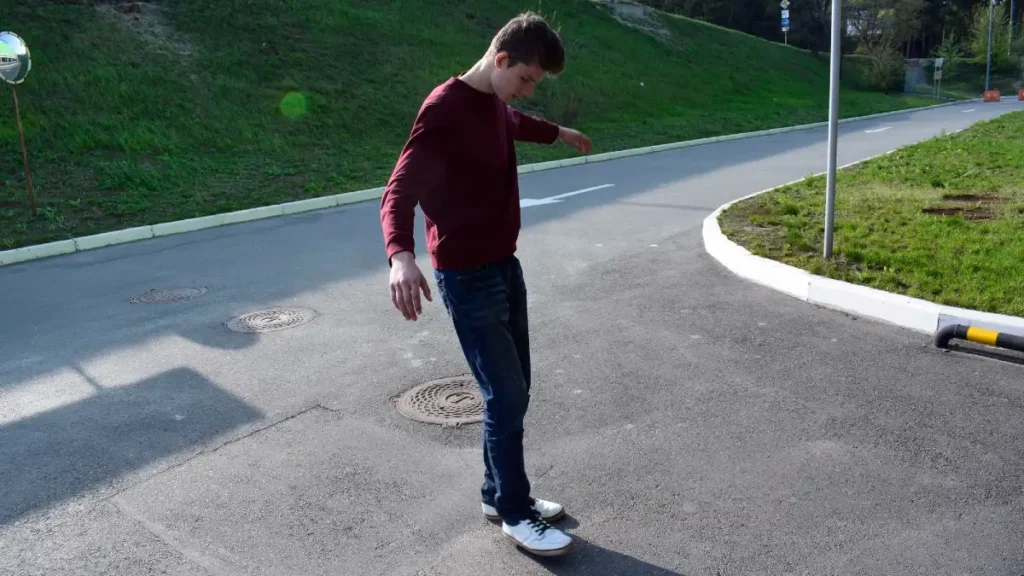
This is the silent version of the traditional stroke paralysis we see on TV. It is very subtle and does not stop you from moving completely. One arm might just feel heavy while carrying groceries or one leg feels like it is dragging slightly.
You might think you just slept on it wrong or pulled a muscle. It affects only one side of the body which is the biggest clue that it is brain related.
- One arm feels heavier than the other
- Dragging one foot slightly when walking
- Weaker grip strength in one hand
- Feeling like one side of the body is tired
The One-Sided Mystery
-
Feeling Heavy
One arm feels heavier, like it’s “made of lead.”
-
Dragging Foot
Dragging one foot slightly when walking (scuffing).
-
Weak Grip
Weaker grip strength or dexterity in just one hand.
-
One-Sided Fatigue
Feeling like one side of the body is tired or lagging.
10. Pseudobulbar Effects

We often think of strokes as purely physical events but they change emotions too. When blood flow is restricted to areas of the brain that control emotion personality changes follow.
You might have emotional outbursts that do not match how you actually feel inside. This can be embarrassing and confusing for both you and your family members. It indicates a disconnection between the emotional centers and the control centers.
- Laughing at something that is not funny
- Crying suddenly without feeling sad
- Uncontrollable emotional outbursts
- Rapid mood swings with no trigger
11. Sudden Apathy

Experts call this Vascular Depression and it is very common after silent strokes. It looks like depression but it is caused by restricted blood flow rather than a chemical imbalance.
You might lose interest in hobbies you loved just weeks ago. It is not that you are sad it is that you just do not care. The motivation center of the brain has been dampened by lack of oxygen.
- Loss of interest in favorite hobbies
- Lack of motivation to leave the house
- Feeling flat or empty rather than sad
- Withdrawing from social interactions
12. Unexplained Fatigue

Your brain has to work harder to route signals around damaged areas. This rewiring takes massive amounts of energy. You might find yourself needing naps when you never did before. It is a deep mental exhaustion that sleep does not seem to fix.
This happens because the brain is working overtime just to perform basic functions that used to be automatic.
- Needing to nap daily when you used to not
- Feeling exhausted after simple mental tasks
- Sleeping more hours but waking up tired
- General feeling of low energy all day
Diagnostic Red Flag Symptoms
| # | Sign | Red Flag Symptom |
|---|---|---|
| 1 | Executive Dysfunction | Trouble planning steps or doing math. |
| 2 | Memory Gaps | Sudden loss of recent conversations. |
| 3 | Poor Concentration | Can’t follow a TV show plot. |
| 4 | Confusion | Brief loss of location (e.g., “Where am I?”). |
| 5 | Clumsiness | Frequently dropping items or tripping. |
| 6 | Dizzy Spells | Fleeting off-balance feeling (<5 sec). |
| 7 | Vision Glitches | Temporary blur or double vision. |
| 8 | Bladder Issues | Sudden urgency or incontinence. |
| 9 | Weakness | One limb feels heavy or drags. |
| 10 | Mood Swings | Laughing/crying at wrong times. |
| 11 | Apathy | Sudden loss of interest in hobbies. |
| 12 | Fatigue | Needing daily naps unexpectedly. |
| 13 | Numbness | Tingling/loss of feeling on one side. |