
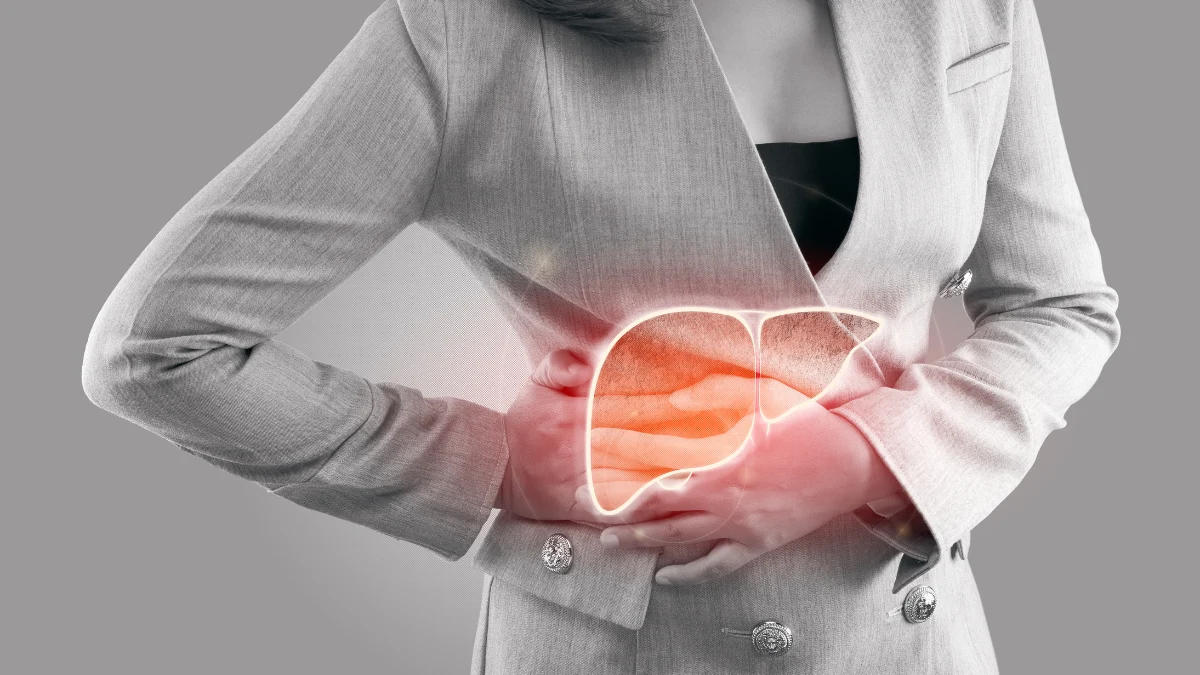
Your liver is a silent workhorse. It filters over a liter of blood every minute and has 500+ vital jobs. But what happens when your daily diet becomes its biggest enemy?
Many of us are unknowingly pushing our livers to the brink. This is fueling a silent epidemic. Hepatologists (liver doctors) are sounding the alarm on Metabolic dysfunction-associated steatotic liver disease (MASLD).
This is the new name for non-alcoholic fatty liver disease. In 2025, this condition affects over 30% of people worldwide.
We are showing you the 15 specific foods your liver is begging you to stop eating. You’ll learn exactly why they are so harmful, backed by new 2025 data. Most importantly, you’ll get simple, actionable swaps for each one.
1. Sugary Drinks (Sodas, Sweet Teas, Sports Drinks)
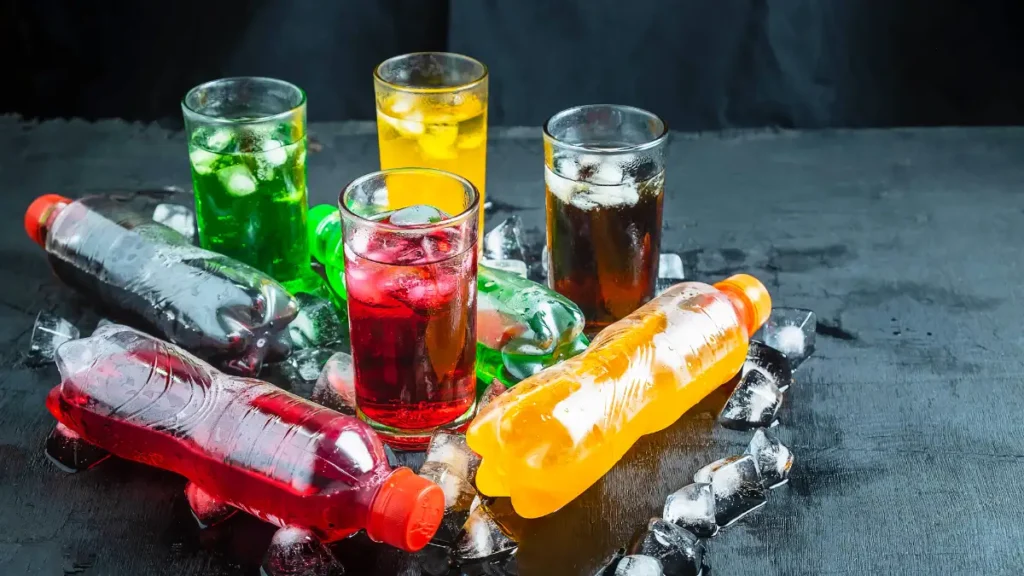
That can of soda or glass of sweet tea is a primary threat to your liver’s health. Your liver is the only organ in your body that can process high-fructose corn syrup (HFCS) and large doses of refined sugar.
When you drink a sugary beverage, you are flooding this single organ with more fuel than it can possibly use. It gets overwhelmed and has no choice but to convert that sugar directly into fat. This process, known as lipogenesis, is a one-way ticket to building up fat deposits in and around your liver.
- This is a main driver of Metabolic dysfunction-associated steatotic liver disease (MASLD).
- The sugar in liquids hits your liver faster and harder than sugar from solid food.
- HFCS and table sugar (sucrose) are metabolized in a way that promotes fat creation.
- Common culprits include: sodas, sports drinks, many energy drinks, and sweet tea.
- What to do: Swap for water, sparkling water with lemon, or unsweetened herbal tea.
The Liquid Sugar Problem
A main driver of MASLD (Fatty Liver)
- Sodas
- Sports Drinks
- Energy Drinks
- Sweet Tea
- Water
- Sparkling Water
- Unsweetened Tea
- Lemon Water
2. “Diet” Drinks (Artificial Sweeteners)

Switching to “diet” or “zero sugar” drinks might seem like a smart, healthy swap, but 2025 data suggests this is a dangerous trap. A shocking study presented at UEG Week (a major European liver conference) found that artificially sweetened drinks are linked to an approximately 60% increased risk of MASLD.
It was even higher than the risk from regular sugary drinks. The “why” is still being studied, but researchers believe these artificial sweeteners may harm your gut microbiome. This can disrupt your metabolism and increase insulin resistance, forcing your liver to store fat.
- The 2025 study found that both sugary and artificially sweetened drinks are bad for liver health.
- Artifical sweeteners may trick your brain and body, leading to more sugar cravings.
- They provide no nutritional value and may disrupt your body’s ability to handle real sugar.
- This includes drinks sweetened with aspartame, sucralose, acesulfame K, or saccharin.
- What to do: Treat diet drinks with the same caution as regular soda. Prioritize water.
3. Alcohol (All forms)

It is the most well-known liver toxin, and for good reason. No amount of alcohol is “good” for your liver. When your body processes any form of alcohol (beer, wine, or spirits), it creates a byproduct called acetaldehyde.
This chemical is a potent toxin that is directly poisonous to your liver cells. With every drink, it creates inflammation and small amounts of damage. Over time, this repeated injury leads to permanent scarring, a condition called cirrhosis. This scarring is irreversible and can lead to liver failure.
- Alcohol is the leading cause of cirrhosis in the Western world.
- It is responsible for nearly 30% of all cirrhosis-related deaths.
- “Binge drinking” is especially hard on the liver, causing rapid fat buildup.
- For those with existing liver fat (MASLD), alcohol can severely speed up damage.
- What to do: The safest option is to avoid alcohol. If you do drink, stick strictly to recommended guidelines (no more than 1 drink/day for women, 2 for men).
Alcohol: The Leading Cause of Cirrhosis
-
Responsible for nearly 30% of all cirrhosis-related deaths.
-
“Binge drinking” is especially hard on the liver, causing rapid fat buildup.
-
For those with existing liver fat (MASLD), alcohol can severely speed up damage.
4. Fast Food (Burgers, Fries)
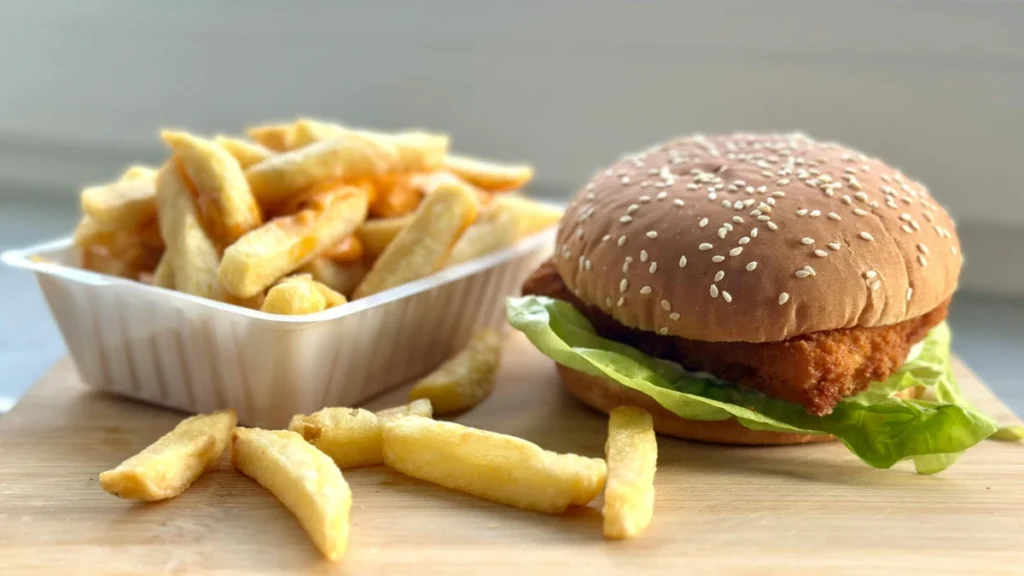
That quick, cheap fast-food meal is a triple threat to your liver. It’s a perfect storm of the worst ingredients: high levels of unhealthy saturated fats, extreme sodium, and refined carbohydrates (the bun, the breading, the fries). This combination puts your liver into metabolic overdrive.
A 2023 study showed that eating just one-fifth (20%) of your daily calories from fast food can cause a significant and dangerous spike in liver fat. Doing this regularly is like paving a highway for fatty liver disease.
- The high fat content raises your triglycerides, which can build up in the liver.
- The high sodium (salt) content contributes to liver inflammation and fibrosis (scarring).
- The refined carbs spike your insulin, signaling your body to store more fat.
- A 2025 meta-analysis linked all ultra-processed foods (UPFs) to a 22% higher risk of fatty liver.
- What to do: Plan ahead. Pack a healthy lunch or choose a simple grilled chicken salad (dressing on the side) if you’re in a pinch.
5. Processed Meats (Sausages, Hot Dogs, Bacon)
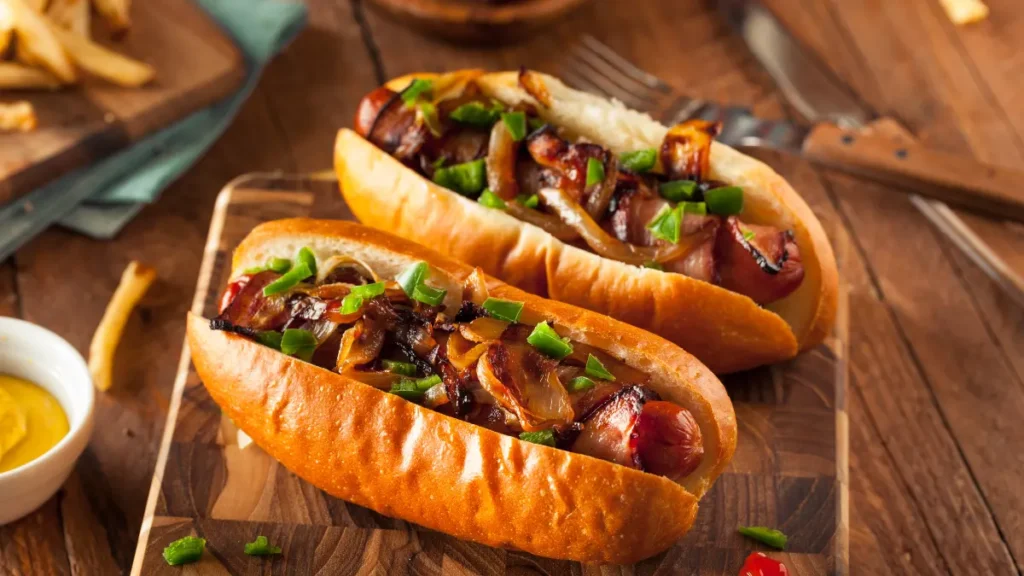
Processed meats like sausages, hot dogs, bacon, and deli meats are a major source of liver stress. They are loaded with two of the liver’s biggest enemies: saturated fats and sodium. But they also have a third problem: preservatives. To keep them “fresh” on the shelf, companies add chemicals like nitrates and nitrites.
When your body processes these, it creates compounds that increase oxidative stress. This is like “rust” for your delicate liver cells, causing cellular damage and inflammation that your liver has to work overtime to clean up.
- These foods are high in calories and low in protective nutrients like fiber.
- High saturated fat intake is directly linked to the progression of MASLD.
- Just one hot dog can contain over 500mg of sodium, a huge burden on your system.
- These are classified as ultra-processed foods (UPFs), strongly linked to poor liver health.
- What to do: Swap processed meats for fresh, lean proteins like grilled chicken, turkey, fish (like salmon), or plant-based proteins like lentils and beans.
Health Diagnostic: Processed Meats
SYSTEM ALERTS: LIVER/HEART
DOCTOR’S ORDERS: THE FIX
- Swap for Grilled Chicken
- Swap for Turkey
- Swap for Fish (like Salmon)
- Swap for Lentils & Beans
6. Frozen Dinners / Ready Meals
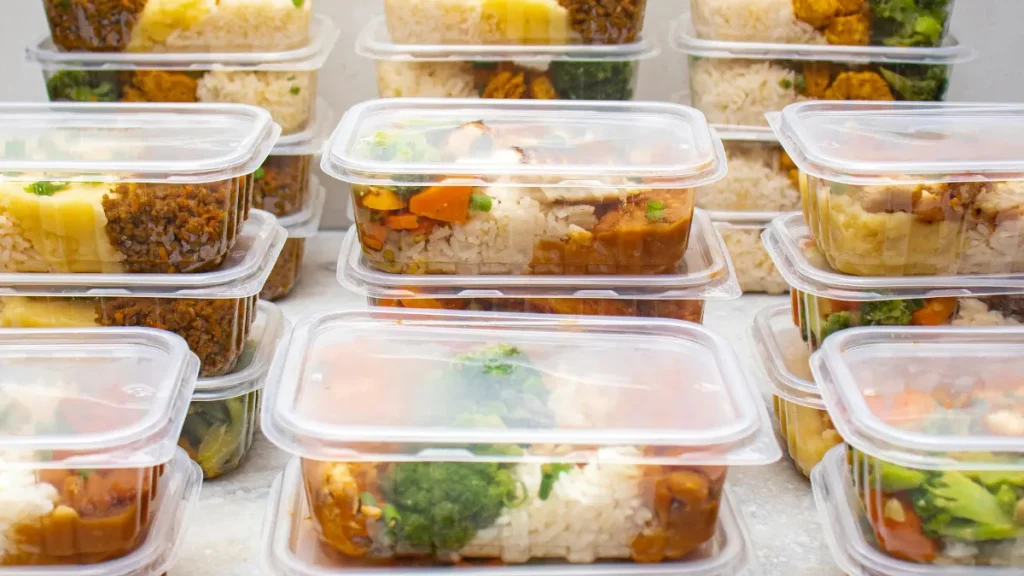
These microwavable meals are notorious for “stealth sodium.” Many are designed to taste good, and the easiest way to do that is to load them with salt, fat, and sugar. It’s not just the sodium. The sauces are often full of hidden sugars, and the cheap oils used contribute to inflammation.
Even “healthy” or “low-cal” versions can be salt bombs. This high-sodium diet is linked to liver inflammation and can speed up the formation of fibrosis (scar tissue) in an already-stressed liver.
- Always check the label: a single meal can have 1,000mg+ of sodium (the daily limit is ~2,300mg).
- These meals are often low in fiber and micronutrients, which your liver needs to function.
- They are the definition of ultra-processed food, which a 2025 Frontiers in Nutrition review linked to a 22% higher risk of NAFLD.
- What to do: Cook in batches. Freeze your own healthy leftovers (like chili or soup) in single-serving portions for a truly healthy “ready meal.”
7. Packaged Chips & Salty Snacks
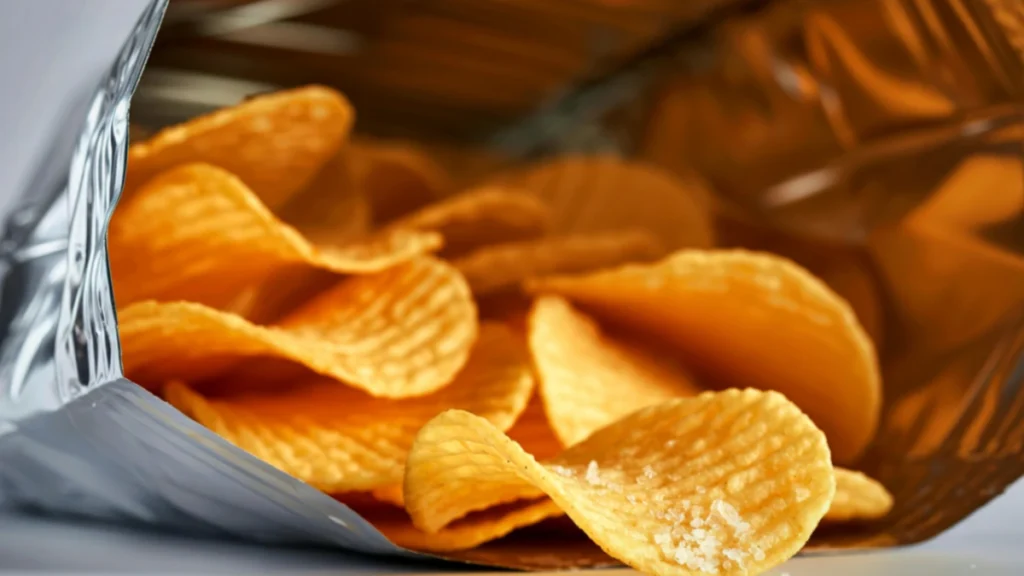
It’s not just the salt that makes these snacks a problem for your liver. Most packaged chips, crackers, and cheese puffs are fried in unhealthy oils like palm, corn, or soybean oil. These oils are high in inflammatory omega-6 fatty acids.
When heated to high temperatures for frying, they can also create compounds that increase oxidative stress. Your liver has to deal with this inflammation, all while also processing the massive load of refined carbs and salt from the snack itself.
- This combination of salt, unhealthy fat, and refined carbs is a perfect recipe for fat storage.
- These are “empty calories,” meaning they offer no fiber, vitamins, or minerals.
- They are easy to overeat, leading to weight gain, a major risk factor for MASLD.
- The high-salt content can also contribute to fluid retention and liver inflammation.
- What to do: Swap chips for a small handful of unsalted nuts (like walnuts or almonds) or air-popped popcorn.
8. Packaged Fruit Juices (Even “100%”)
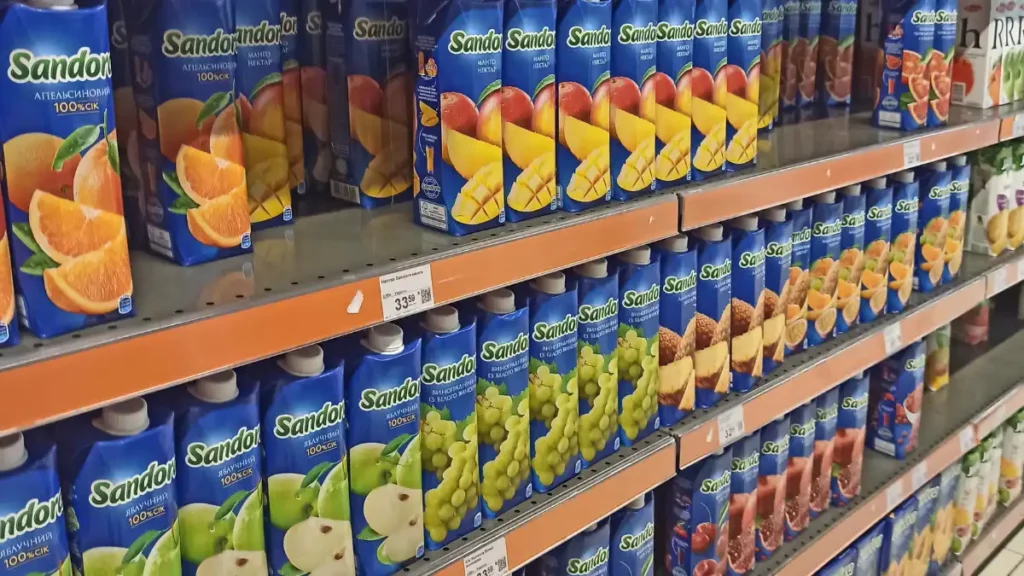
It is one of the most deceptive “healthy” foods. When you strip the fiber from fruit to make juice, you’re left with a concentrated fructose bomb. In the eyes of your liver, that glass of “100% pure” apple juice looks almost identical to a can of soda.
The fiber in a whole apple is what slows down the sugar, allowing your body to process it slowly. Without that fiber, the pure fructose liquid slams your liver all at once, forcing it to turn the excess into fat (triglycerides).
- Fruit juice is a “liquid sugar” and should be treated the same as soda.
- Lacks the fiber that makes whole fruit healthy and filling.
- Can cause rapid spikes in blood sugar and insulin, promoting fat storage.
- Many juices also have added sugar on top of the natural sugar.
- What to do: Eat the whole fruit. If you want a drink, have a small glass of water.
9. Sugary Breakfast Cereals
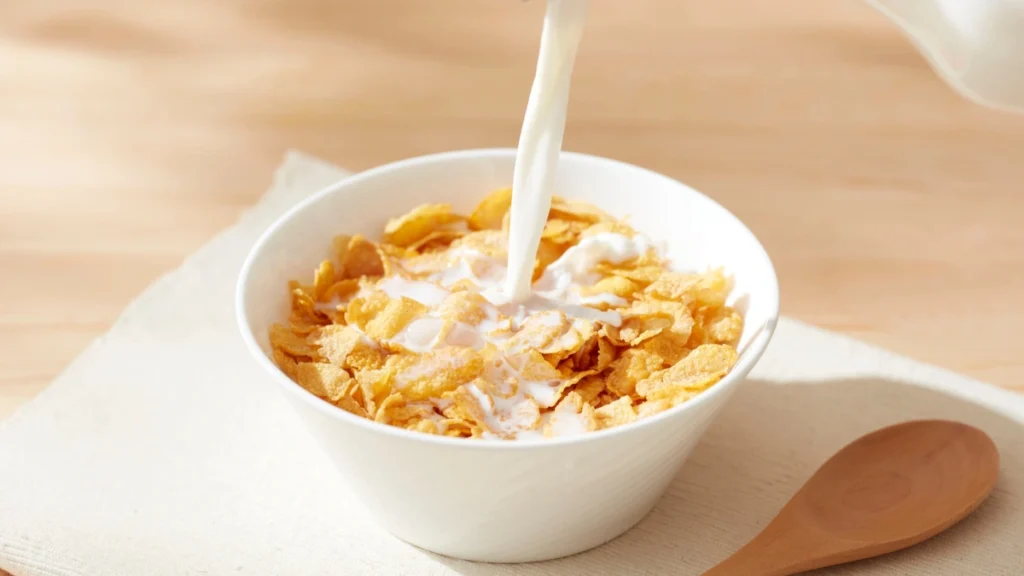
Starting your day with a sugary breakfast cereal is one of the worst things you can do for your liver. Check the labels on those “heart-healthy” or “whole grain” cereals. They are often just refined flour coated in sugar, sometimes with more sugar per serving than a donut.
This starts your day with a massive blood sugar spike. Your body releases a flood of insulin to cope, and that insulin’s main job is to tell your body to store fat. The first place it stores it? Your liver.
- Many cereals list sugar (or corn syrup) as the second or third ingredient.
- They lack the protein and fiber needed to keep you full, leading to more cravings.
- The “healthy” marketing claims often hide the high-sugar reality.
- This also applies to most breakfast bars, toaster pastries, and muffins.
- What to do: Switch to oatmeal with fresh berries and nuts, or plain Greek yogurt.
10. Canned Soups
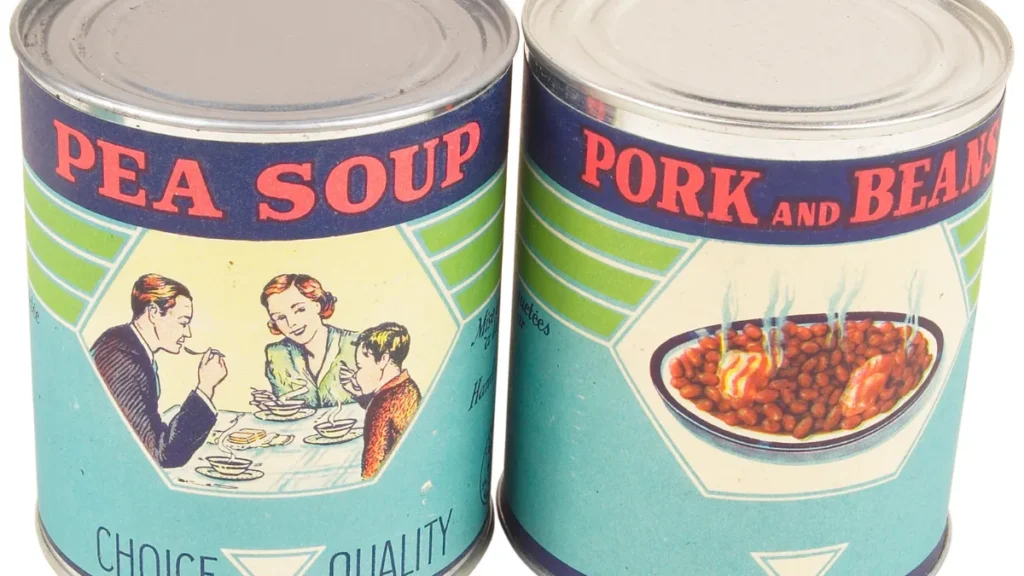
This one surprises many people. A warm can of soup seems healthy, but most are a primary source of hidden sodium. It’s not uncommon for a single can to pack over 50% of your entire daily salt limit. This isn’t just a blood pressure problem; it’s a liver problem.
Recent 2024 studies now link high-salt diets to a disruption of your gut microbiome (the good bacteria). This imbalance in your gut can then directly trigger inflammation in your liver, contributing to fibrosis (scarring).
- Always check the label: “low sodium” should be your goal (140mg or less per serving).
- Your liver and kidneys work together to filter blood; excess salt strains this entire system.
- Many canned soups also contain MSG (monosodium glutamate) or added sugars.
- This also applies to instant ramen noodle packets, which are salt and processed-carb bombs.
- What to do: Make your own simple soup at home in batches, or buy brands that are explicitly labeled “low sodium” or “no salt added.”
11. Energy Drinks & Sweetened Coffees
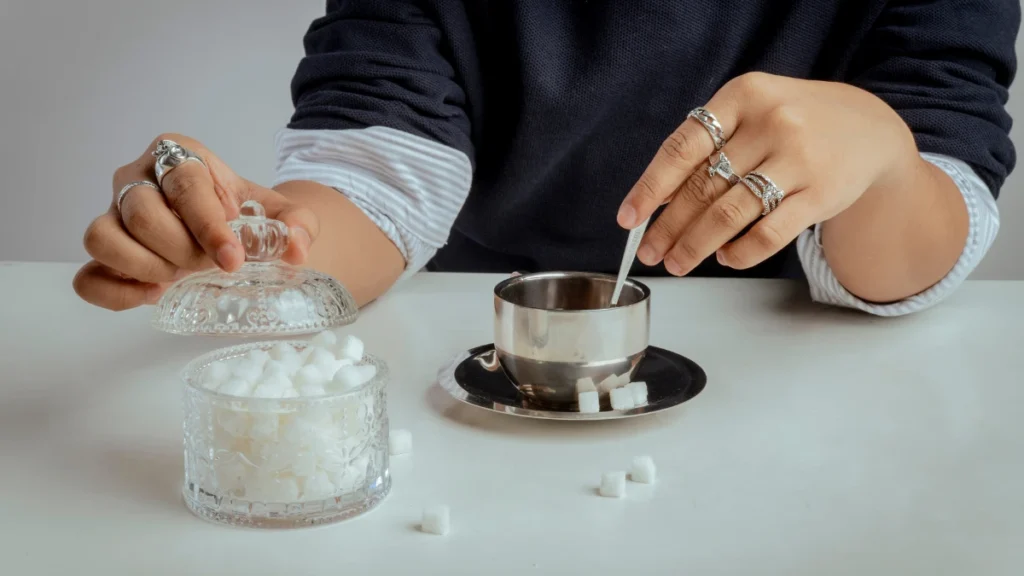
That morning caramel “frapp” or afternoon energy drink is a double whammy for your liver. First, they have a massive sugar load, often more than a can of soda, which slams your liver and forces it to create fat. Second, they have extreme levels of caffeine and other stimulants.
While a cup or two of black coffee is actually protective for the liver, these stimulant-loaded drinks can be stressful in high doses. It’s an unnecessary burden on the organ that has to process everything you consume.
- A large, sweetened coffee drink can contain an entire day’s worth of sugar.
- Energy drinks combine sugar and stimulants in a way that is hard on your whole body.
- The “crash” from these drinks leads to cravings for more sugar, creating a vicious cycle.
- These are not a substitute for real rest and hydration.
- What to do: Drink black coffee (1-2 cups), which studies show helps the liver. Or, drink green tea or water.
12. White Bread, Pasta, and Rice
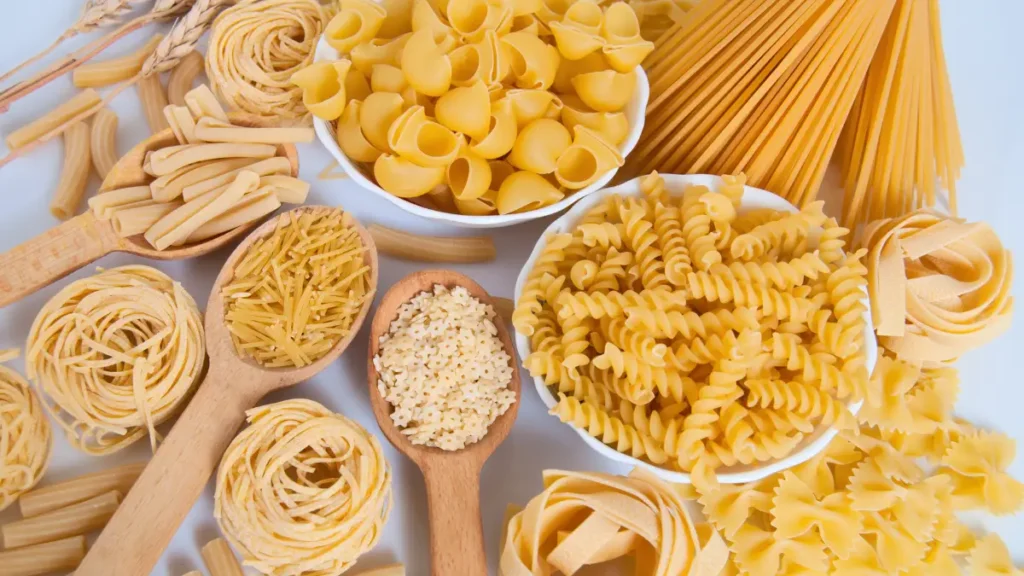
This group of foods often called “the white stuff” acts just like sugar once it hits your bloodstream. These refined grains have all their natural, protective fiber stripped away. Because there is no fiber to slow things down, your body digests them almost instantly. It causes a rapid spike in blood sugar.
Your body releases a flood of insulin to cope, and that insulin’s main job is to signal your body to store fat. The liver is a prime storage location for this.
- These foods have a high “glycemic index,” meaning they spike blood sugar fast.
- High insulin is a key driver of fat storage in the liver (MASLD).
- Lacking fiber, they don’t keep you full, leading to overeating later.
- This category includes white-flour tortillas, bagels, and most packaged crackers.
- What to do: Choose 100% whole-grain bread (check for 3g+ fiber), brown rice, quinoa, or pasta made from chickpeas or lentils.
13. Packaged Baked Goods (Cookies, Pastries, Cakes)
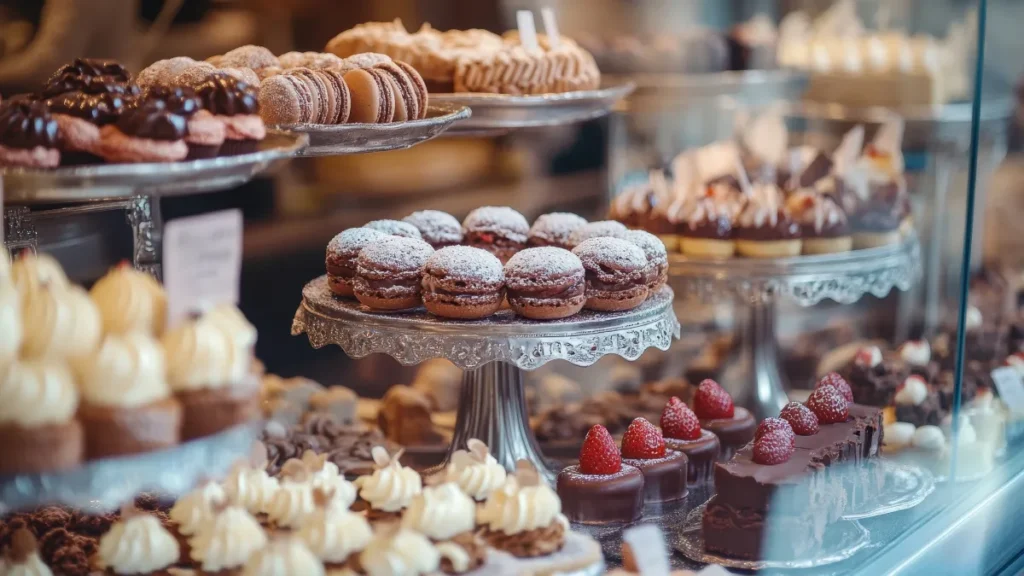
These shelf-stable treats are a trifecta of the worst possible ingredients for your liver. First, they use refined flour (like white bread). Second, they are loaded with sugar or HFCS (like soda).
Third, to make them soft and last for weeks, they are made with unhealthy fats like shortening, palm oil, or (in the past) trans fats. This combination is intensely inflammatory and is the perfect recipe for gaining weight and developing a fatty liver.
- These are ultra-processed foods with zero nutritional benefits.
- The combination of fat and sugar is highly addictive, making it hard to stop at one.
- The bad fats can directly increase inflammation and stress on the liver.
- This includes donuts, muffins, packaged cookies, and snack cakes.
- What to do: If you crave something sweet, have a piece of dark chocolate (70% or higher) or a handful of fresh berries.
14. Margarine & Shortening (Trans Fats)
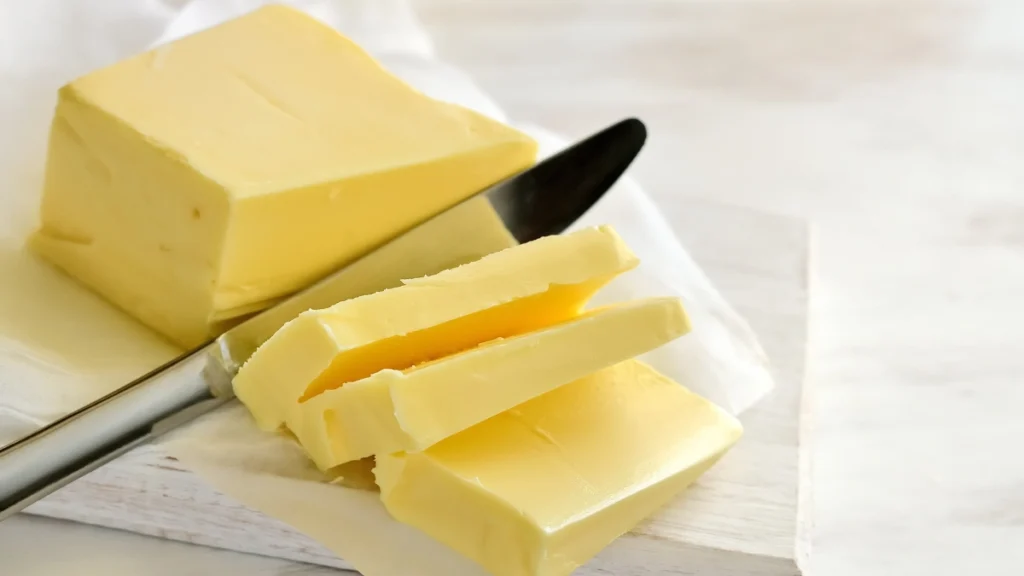
While artificial trans fats (“partially hydrogenated oils”) have been mostly banned, they haven’t vanished. Small amounts can still be found in some margarines, shortening, and packaged goods. These fats are intensely inflammatory and are known to directly damage liver cells and promote scarring.
Many margarines have been reformulated, but they are still highly processed. Solid-at-room-temperature fats, like shortening and some margarine sticks, are generally a bad choice for your liver.
- Always read the label: if it says “partially hydrogenated oil,” put it back.
- Trans fats are known to raise bad cholesterol (LDL) and lower good cholesterol (HDL).
- They promote inflammation, a key part of liver disease progression.
- They are often found in pie crusts, frostings, and some microwave popcorn.
- What to do: Use extra-virgin olive oil for cooking and salads. Use avocado or a small amount of real butter instead of margarine.
15. Excessive Red Meat
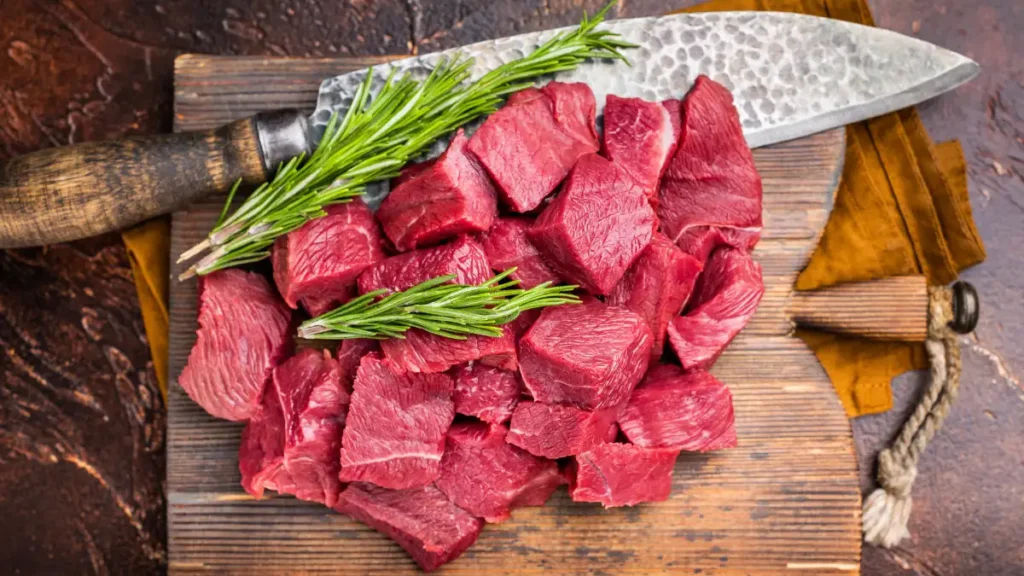
While protein is a vital nutrient, the type of protein matters. Unlike lean proteins (like chicken or fish), red meats such as beef, pork, and lamb are high in saturated fat. This specific type of fat is a known problem for liver health.
Studies have directly linked a high intake of saturated fat to the progression of liver damage in people who already have MASLD. It’s not that you can never eat it, but making it a daily staple can overload your liver’s ability to process these complex fats, leading to more fat storage.
- Saturated fat can worsen insulin resistance, a key driver of fatty liver disease.
- Opt for the leanest cuts if you do eat red meat (e.g., “loin” or “round”).
- The American Liver Foundation often recommends replacing red meat with fish.
- Fatty fish (like salmon) provide Omega-3s, which can reduce liver fat.
- What to do: Limit red meat to once or twice a week. Prioritize fatty fish, grilled chicken, turkey, and plant-based proteins like lentils and chickpeas.