
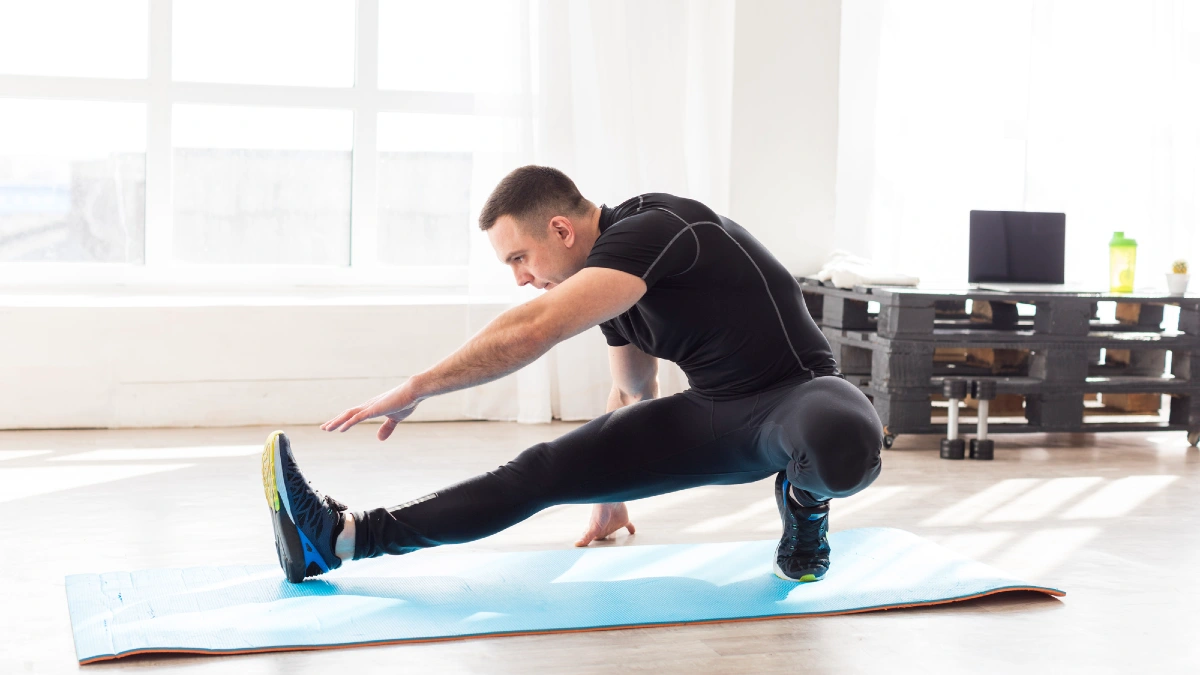
We often think health is determined by blood pressure and cholesterol, but the most accurate predictor of how long you will live might be your ability to stand on one leg.
It sounds simple, but modern life allows us to hide our physical decline. You can sit in a chair and drive a car while looking perfectly healthy, even as your internal systems lose the ability to function.
This is a silent decline that you might not notice until you fall or face a sudden illness. This article covers the specific physical movements science uses to predict mortality and how to improve them.
Longevity Combine
Your Analysis
Text
1. The 10-Second One-Legged Stand
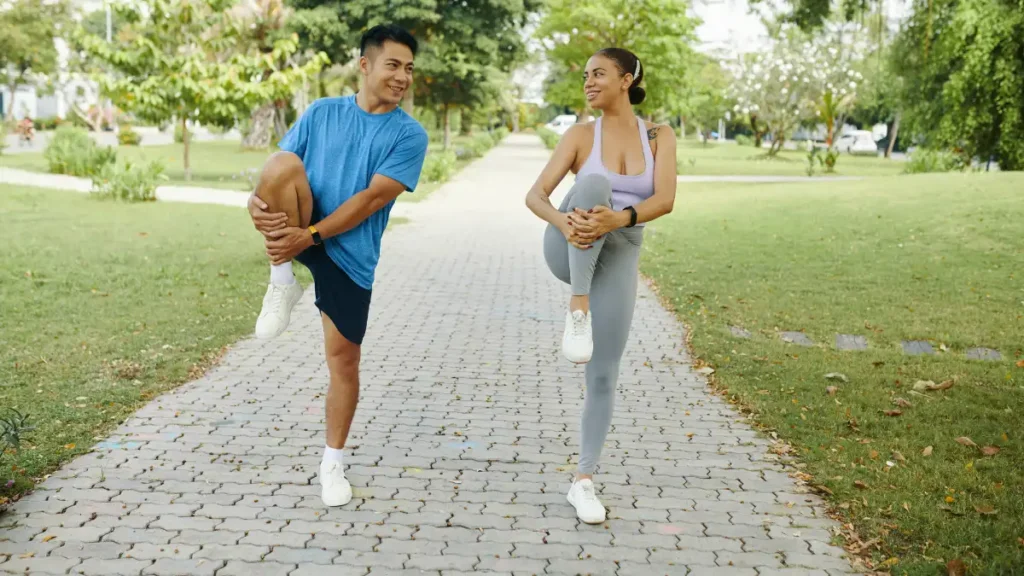
Most people assume balance is just about their inner ear, but it is actually a complex coordination task between your brain, eyes, and muscles.
You can test this by standing barefoot on a flat surface and lifting one foot off the ground to tuck it behind your other calf. Keep your arms by your sides and look straight ahead for ten seconds without putting your foot down.
If you struggle to hold this position, your brain is likely struggling to communicate effectively with your body.
- A 2022 study in the British Journal of Sports Medicine found that inability to pass this test is a major warning sign.
- Middle aged people who could not stand on one leg had an 84% higher risk of death from any cause over the next seven years.
- You can improve this by practicing the Toothbrush Balance technique where you stand on one leg every morning and night while brushing your teeth.
2. The Sit-to-Rise Test
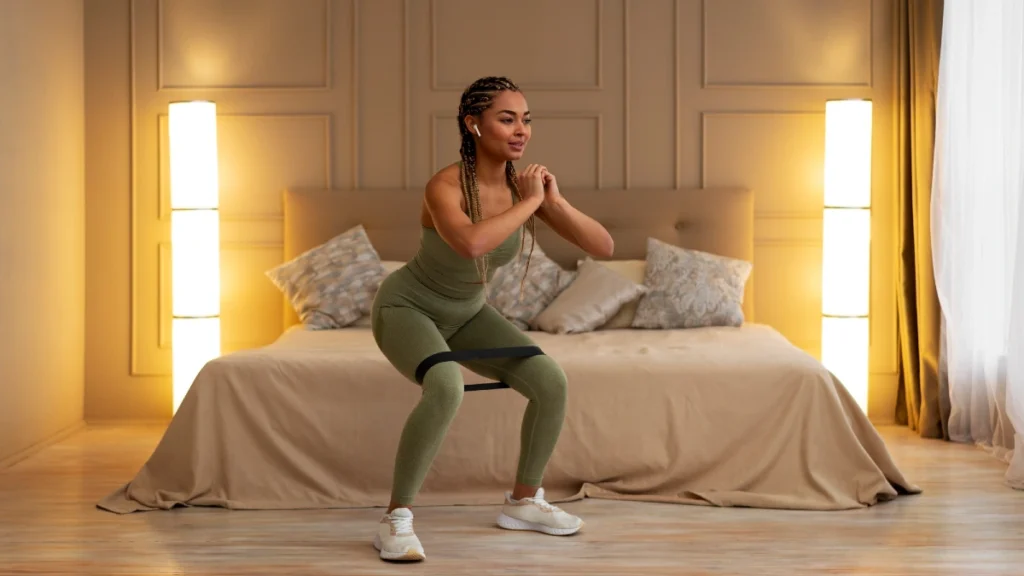
This assessment was developed by researchers to measure your raw musculoskeletal fitness because it mimics the mechanics of survival.
You simply lower yourself to the floor into a cross legged position and try to stand back up without help. The goal is to do this without using your hands, knees, or forearms for support.
Relying on your hands or knees indicates a lack of core strength and flexibility that is crucial for longevity.
- Dr. Claudio Gil Araújo published research in the European Journal of Preventive Cardiology showing a strong link between this movement and life expectancy.
- People with the lowest scores were five to six times more likely to die during the study period compared to those with high scores.
- You can fix this by practicing negative squats where you stand in front of a chair and lower yourself as slowly as possible.
The Longevity Test
-
The Research
Dr. Claudio Gil Araújo found a strong link between this movement and life expectancy.
-
The Risk
Lowest scores were 5-6x more likely to die during the study period.
-
The Fix: Negative Squats
Practice by standing in front of a chair and lowering yourself as slowly as possible.
3. Grip Strength Capacity
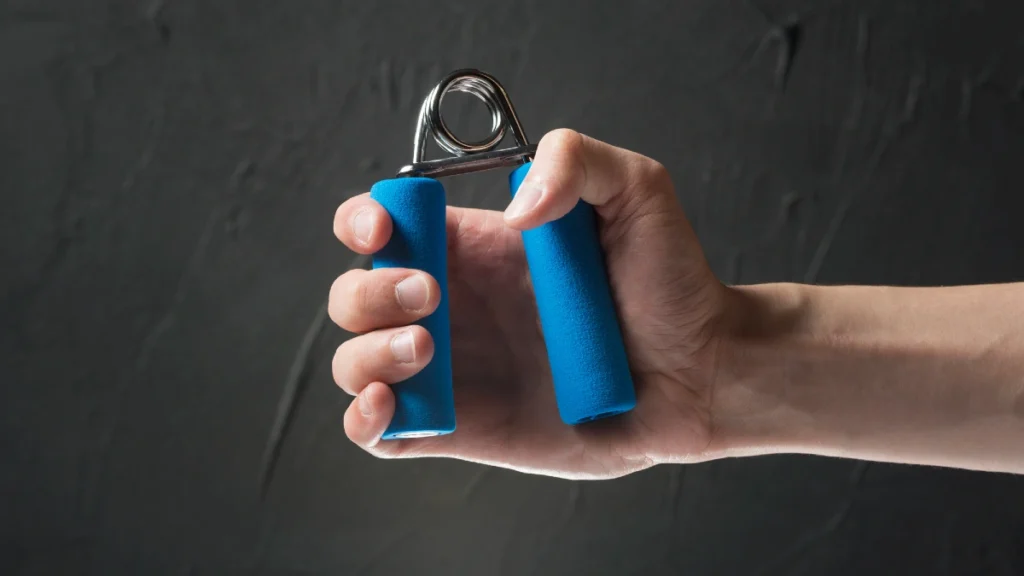
Doctors used to look at muscle size to judge health, but now they look at muscle function using your hands. Grip strength is a powerful proxy for your total body strength and nutritional status.
You can test this using a hand dynamometer or by simply hanging from a pull up bar to see how long you can hold your own body weight. If your grip is weak, your body is likely losing the battle against age related muscle loss known as sarcopenia.
- The Lancet has published data suggesting grip strength predicts all cause mortality better than systolic blood pressure.
- Every five kilogram decrease in grip strength is linked to a 17% increased risk of mortality.
- Improve your capacity by doing Farmer Carries which involves walking for distance while holding heavy weights in each hand.
4. The 40 Push-Up Standard
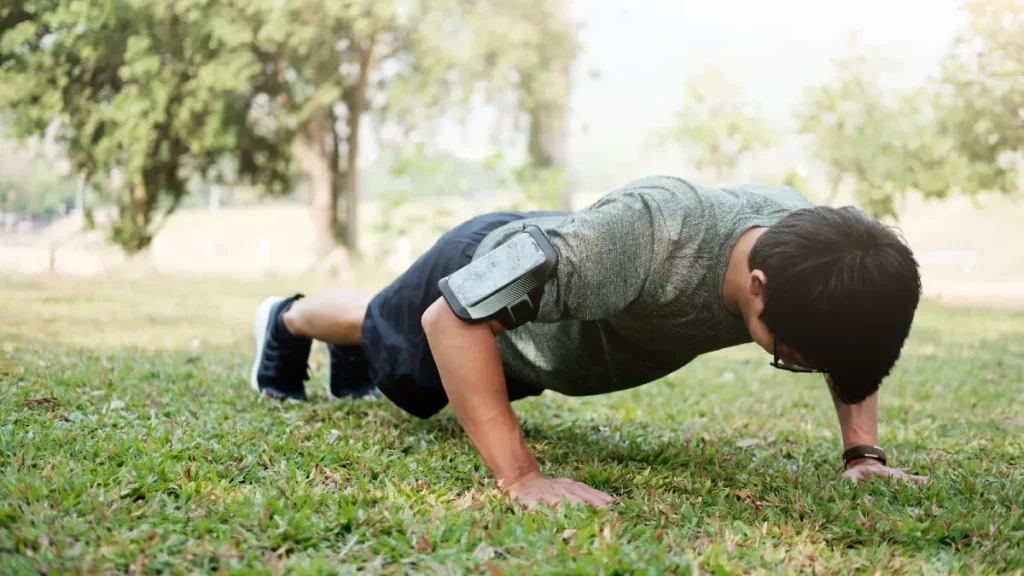
This movement forces your heart to pump blood to large muscle groups under high pressure to test your stress resilience. Men should aim to perform continuous push ups in a plank position without stopping to rest.
While the main study focused on male firefighters, women should aim for ten to fifteen strict repetitions as a baseline for strength.
If you cannot perform a single push up, it indicates that your cardiovascular system may not handle high stress events well.
- A famous study from Harvard published in JAMA Network Open followed active firefighters to measure heart health.
- Men who could perform 40 or more push ups had a 96% lower risk of cardiovascular disease events compared to those who could do fewer than 10.
- Start fixing this by doing incline push ups against a wall or sturdy bench before attempting them on the floor.
Push-Up Power!
-
Harvard Firefighter Study
A famous JAMA study tracked active firefighters to measure heart health.
-
96% Lower Risk
Men who did 40+ push-ups had a massive drop in CVD risk compared to those doing <10.
-
Start Small
Start fixing this by doing incline push-ups against a wall or sturdy bench.
5. Walking Speed and Gait Velocity
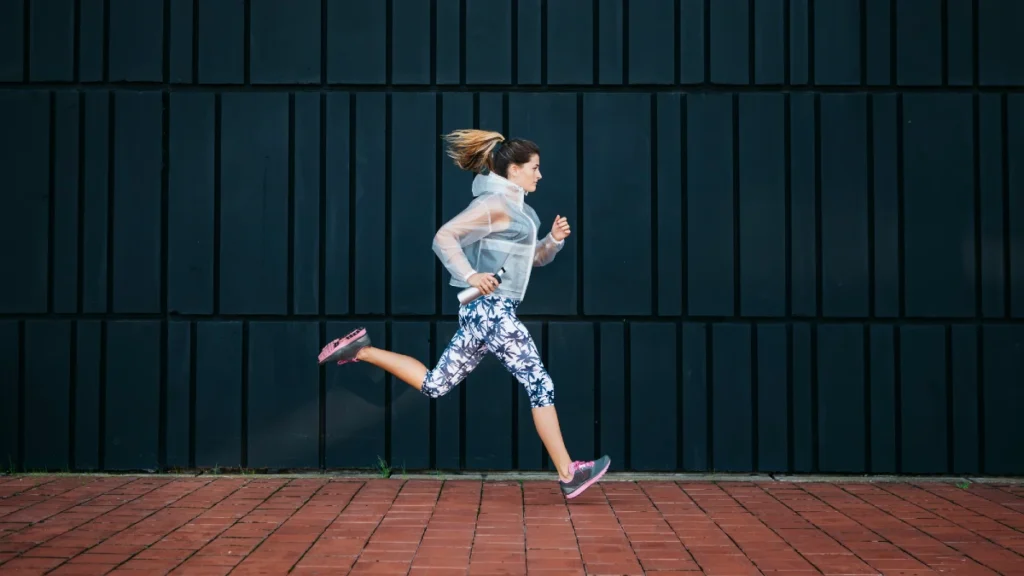
Walking is essentially a controlled fall that requires significant energy and heart health to maintain. Doctors now refer to gait speed as the sixth vital sign because a slow walk is often the first sign of biological decline.
You can measure this by timing yourself walking at a normal pace over a short distance like four meters. When the body is fighting illness or aging, it conserves energy by involuntarily slowing you down.
- According to JAMA, walking slower than 0.8 meters per second is a strong predictor of frailty and lower ten year survival rates.
- A slow gait is often linked to a higher risk of falls and disability in older adults.
- You can build stride power by Rucking, which means going for a walk with a weighted backpack.
6. Floor-Touch Flexibility
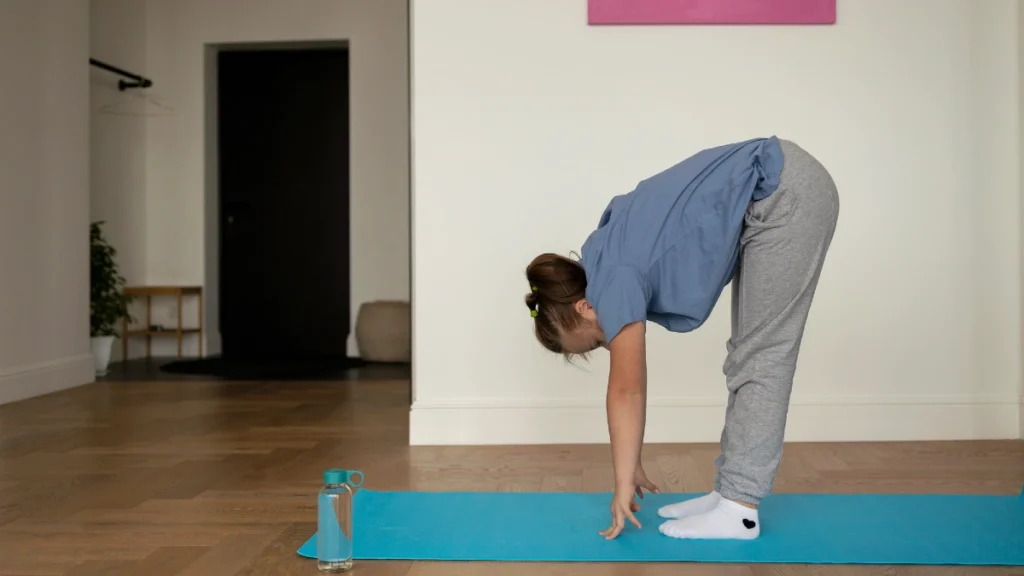
There is a surprising link between the flexibility of your trunk and the flexibility of your arteries. You can test this by sitting on the floor with your legs straight out in front of you and reaching toward your toes.
If you cannot reach past your knees or shins, it suggests significant stiffness in your body. This physical stiffness often mirrors the state of your blood vessels and can be a silent risk factor.
- Studies in Heart and Circulatory Physiology show that poor trunk flexibility correlates with stiffer arteries.
- Stiff arteries force your heart to work harder to pump blood which increases your risk of heart attack and stroke.
- You can improve this with dynamic hamstring stretches or yoga poses like Downward Dog.
Flexibility & Heart Health
-
The Vital Link
Studies in Heart Physiology show that poor trunk flexibility correlates with stiffer arteries.
-
Harder Work = Risk
Stiff arteries force your heart to work harder, increasing the risk of heart attack and stroke.
-
The Fix
Improve this with dynamic hamstring stretches or yoga poses like Downward Dog.
Conclusion
These tests can feel discouraging if you fail them, but they are warning lights rather than a life sentence. Aging is not just about looking old but about moving old.
The good news is that unlike your chronological age, you can reverse your biological age. Pick just one test from this list today and if you fail, start the recommended fix immediately.
Prioritize longevity training now and your future self will thank you.