

Your arteries begin to physically stiffen and change shape after just sixty minutes of absolute stillness. You often feel this as a heavy sluggish brain fog when you finally stand up or the deep ache in your hips that you mistakenly blame on normal aging.
The solution requires no gym membership as it involves triggering a specific enzyme that actively scrubs fat from your bloodstream.
Renowned cardiologist Dr. Steven Nissen has treated over ten thousand patients and confirms that this single adjustment is the most powerful predictor of heart health he has ever seen.
Heart Anatomy Restorer
Vascular system is relaxed, hydrated, and efficient.
The #1 Thing Dr. Nissen Begs You to Stop: Prolonged Sitting

The single most dangerous habit for anyone over the age of fifty five is sitting for more than fifty minutes at a time without a break.
Dr. Nissen explicitly identifies this behavior as the primary threat to longevity because it forces your cardiovascular system into a state of dormancy that sleep does not even replicate.
While you may believe you are safe because you are not smoking or eating fried foods, the act of remaining stationary effectively kinks your blood vessels and halts the necessary repair processes that keep your heart functioning.
- Never sit for longer than fifty minutes without standing up.
- Understand that sitting is an independent risk factor from lack of exercise.
- Recognize that this habit is more dangerous than skipping a workout.
While eliminating prolonged sitting is the most critical step you can take, Dr. Nissen emphasizes that a complete heart defense strategy requires addressing other silent biological factors.
Below are 5 additional pillars that are considered equally important for maintaining a robust cardiovascular system.
1. The 30 for 3 Movement Protocol

The prescription Dr. Nissen gives his patients relies on breaking up sedentary time rather than just increasing workout intensity. He calls this the 30 for 3 rule, meaning for every thirty minutes you sit you owe your body three minutes of movement.
This movement triggers a release of nitric oxide, a powerful gas that signals your blood vessels to open up and relax immediately, creating a vascular reset without the need for sweat or gym equipment.
- Move for three minutes every half hour to reset your vascular system.
- Trigger the nitric oxide dump to relax blood vessels instantly.
- Focus on the frequency of movement rather than the intensity.
The Vascular Reset
-
3 Minutes / 30 Minutes
Move for three minutes every
half hour to
reset your vascular system. -
Nitric Oxide Dump
Trigger the nitric oxide dump to relax blood vessels instantly.
-
Frequency First
Focus on the frequency of movement rather than the intensity.
2. The Hidden Danger of Borderline Numbers
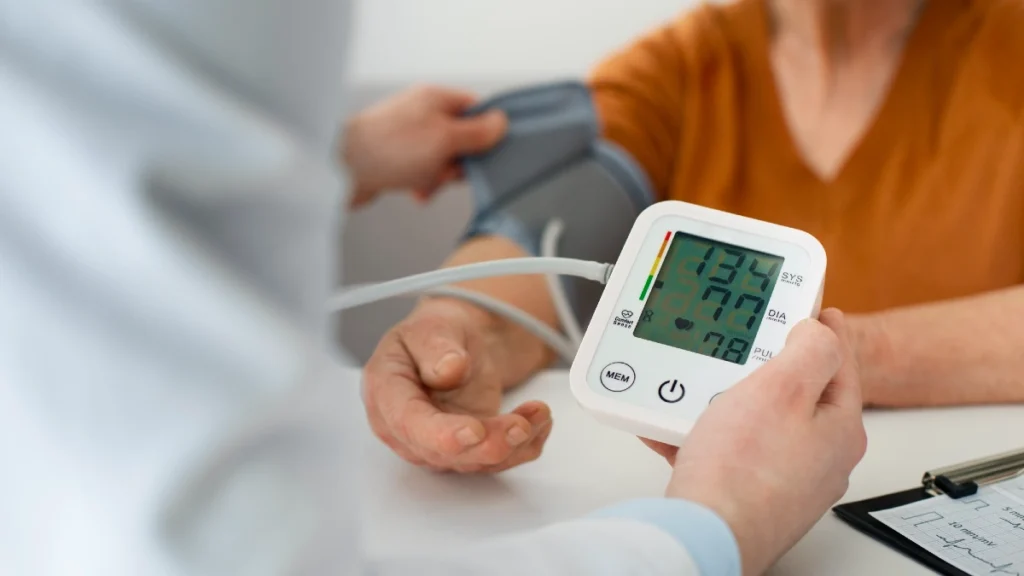
Many people ignore slightly elevated blood pressure numbers because they do not feel physically ill, but this extra pressure gradually hardens arterial walls over decades.
Dr. Nissen warns that what was once considered “normal for your age” is now understood to be a slow acting poison for your vascular system.
Addressing these numbers early through diet or medication prevents the microscopic tearing of artery walls that leads to plaque buildup later in life.
- Treat borderline blood pressure before it becomes severe.
- Prevent the hardening of arterial walls by managing numbers early.
- Do not wait for symptoms to appear before taking action.
3. The Cortisol Connection to Isolation

Social isolation creates a biological stress loop that raises cortisol levels, which tightens blood vessels and mimics the physical effects of chronic anxiety.
When you retire or withdraw from social circles, your body remains in a state of high alert that taxes the heart muscle just as much as physical exertion does.
Dr. Nissen advises that maintaining a social calendar is just as medically relevant as maintaining a healthy diet.
- Social isolation spikes dangerous cortisol levels in the body.
- Chronic stress tightens arteries just like physical inactivity does.
- Regular social interaction acts as a buffer against heart disease.
The Connection Cure
-
Cortisol Spike
Social isolation spikes dangerous cortisol levels in the body.
-
Tight Arteries
Chronic stress tightens arteries just like physical inactivity does.
-
Social Buffer
Regular social interaction
acts as a
buffer against heart disease.
4. The Insulin Spike Strategy

Eating a heavy meal and immediately sitting down causes a sharp spike in blood sugar and insulin that damages the lining of your blood vessels.
To counter this, Dr. Nissen recommends a ten minute walk immediately after lunch and dinner to help your muscles absorb glucose without requiring a massive insulin release.
This simple habit flattens the glucose curve and prevents the metabolic stress that contributes to heart disease.
- Walk for ten minutes after every heavy meal to control insulin.
- Use muscles to soak up glucose instead of storing it as fat.
- Protect blood vessel linings from sugar induced inflammation.
5. The Morning Hydration Factor

Your blood is thickest and most viscous first thing in the morning because you have gone hours without water while sleeping.
Dr. Nissen suggests drinking a large glass of water immediately upon waking to increase blood volume and make it easier for your heart to pump.
This simple hydraulic adjustment reduces the workload on your cardiovascular system during the critical morning hours when heart attacks are most common.
- Hydrate immediately upon waking to support blood volume.
- Thin the blood naturally to reduce strain on the heart pump.
- Drink water before coffee to offset mild dehydration.
The Morning Flow
-
Support Volume
Hydrate immediately upon waking to support healthy blood volume.
-
Reduce Strain
Thin the blood naturally to reduce strain on the heart pump.
-
Water Before Coffee
Drink water before coffee to offset mild dehydration.
Dr. Steven Nissen’s Heart Health Schedule
| Time of Day | Recommended Action | Physiological Benefit |
| Morning | Drink 16oz water before coffee | Restores blood volume to help the heart pump easier. |
| Work Block | The 30 for 3 Rule | Releases nitric oxide to prevent arterial stiffening. |
| Post-Lunch | 10 minute brisk walk | Blunts the insulin spike to prevent fat storage. |
| Afternoon | Standing phone calls | Keeps Lipoprotein Lipase enzyme active. |
| Evening | Legs up the wall pose | Assists venous return and reduces leg swelling. |