
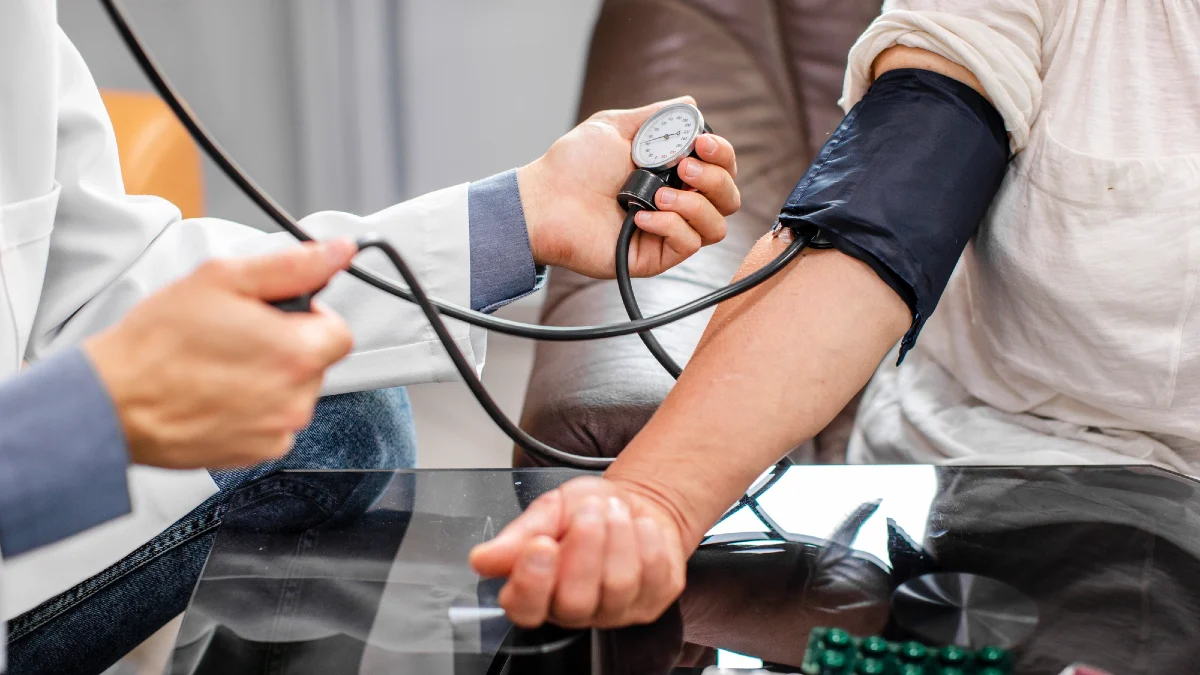
You do not have to imagine it because nearly half of American adults are living with it right now. According to recent reports from the CDC and the American Heart Association, approximately 47% of U.S. adults have hypertension.
The scary part is that about one in three of those people do not even know they have it. They are walking around undiagnosed and untreated. For a long time, the advice was simply to eat less salt and lose weight.
But today, that is no longer the whole story. We now have access to better tools and updated guidelines that change how we treat this condition.
Pressure Investigator
Investigation Complete
You identified the hidden triggers. Your pressure is stable.
The Silent Killer Reality Check

There is a dangerous myth that high blood pressure gives you headaches or nosebleeds, but that is rarely true. Those symptoms usually only show up during a hypertensive crisis when blood pressure spikes to dangerous levels.
For the vast majority of the 122 million Americans with hypertension, there are zero physical signs until a heart attack or stroke happens.
We are also seeing a massive demographic shift where rates are rising fast in young adults in their 20s and 30s due to sedentary remote work and processed foods.
- Symptomless Danger: You likely won’t feel anything until your pressure hits a critical level like 180 over 120.
- Young Adult Risk: Remote work lifestyles and processed diets are causing spikes in people under 40.
- Secondary Causes: If diet and exercise don’t work, you might have a hormone imbalance that needs specific testing.
The Silent Alarm
-
Symptomless Danger
You likely won’t feel anything until pressure hits a critical level (180/120).
-
Young Adult Risk
Remote work and processed
diets are causing spikes
in people under 40. -
Secondary Causes
If lifestyle doesn’t work, check for a hormone imbalance.
New Guidelines and What Changed
If you haven’t looked at heart health advice in a few years, you are behind because major health organizations have updated their recommendations. The old advice focused almost entirely on reducing salt intake and losing weight based on simple age charts.
New guidelines now emphasize using advanced tools to estimate your risk for heart failure and stroke much more accurately. There is also a major shift in dietary advice that focuses on what you should add to your diet rather than just what you should subtract.
Doctors are now equipped with better risk calculators that look at your total health including kidney function and metabolic health.
- PREVENT Calculator: This new tool replaces old equations to give a personalized risk score for heart disease and stroke.
- Potassium Priority: The focus has shifted to using potassium-enriched salt substitutes to actively relax blood vessels.
- Early Screening: There is a stronger push to screen for hormonal causes like aldosterone issues much earlier than before.
| Area of Focus | Traditional Advice | Updated Recommendation |
| Risk Assessment | Used simple age and weight charts | Uses the PREVENT Calculator for personalized scores |
| Dietary Strategy | Focused on reducing salt and calories | Focuses on using potassium-enriched salt substitutes |
| Medical Screening | Waited for symptoms to appear | Screens for hormonal causes like aldosterone early |
How to Measure Accurately at Home

Most people measure their blood pressure wrong, and if you do it wrong, you might get a false scare or a false sense of safety. Recent guidelines strongly advise against using wrist monitors because they are too sensitive to body position.
If your arm is one inch too high or low, the reading becomes useless. The goal is to get clinical-grade accuracy in your living room so you can show your doctor real data.
You also need to ensure you are buying a device that has been independently tested for accuracy rather than just picking the cheapest option online.
- Arm over Wrist: Always choose an upper-arm cuff monitor for reliable readings as wrist devices are often inaccurate.
- ValidateBP Tip: Only buy monitors listed on ValidateBP.org to ensure they meet clinical accuracy standards.
- 7-Day Protocol: Measure morning and night for one week with your back supported and feet flat to get a true average.
- Smart Features: Look for devices that sync via Bluetooth so you can automatically track your trends over time.
Smart BP Monitoring
-
Arm over Wrist
Choose an upper-arm cuff for reliable readings (wrist devices are often inaccurate).
-
ValidateBP Tip
Only buy monitors listed on ValidateBP.org to ensure clinical accuracy.
-
7-Day Protocol
Measure morning and night for one week (back supported, feet flat) for a true average.
-
B
Smart Features
Look for devices that sync
via Bluetooth
to automatically track your
trends.
Action Plan to Lower Your Numbers
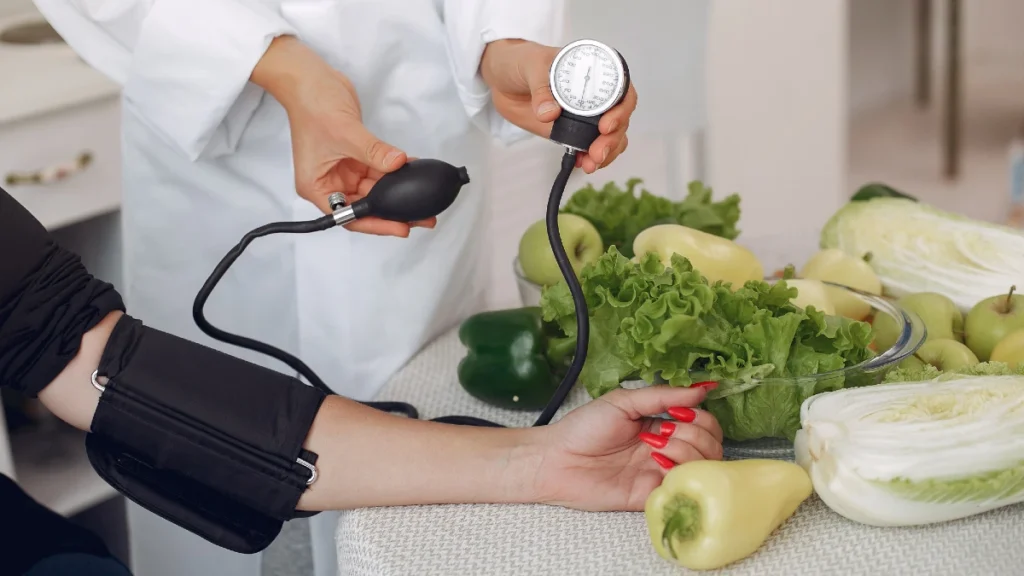
Once you know your numbers, you need a plan to fix them that goes beyond generic advice to eat more vegetables. The approach to diet is shifting toward the specific ratio of sodium to potassium in your body.
Your system needs potassium to help flush out excess sodium, so eating the right foods matters more than just avoiding the salt shaker. Exercise recommendations have also evolved to include specific movements that are surprisingly effective.
New research highlights that you do not need to run a marathon to see results, as static holds can do wonders for your arteries.
- Sodium-Potassium Ratio: Focus on eating high-potassium foods like potatoes, spinach, and white beans to balance your salt intake.
- Isometric Exercise: Incorporate wall sits or planks for just a few minutes a day to lower pressure effectively.
- Sleep Hygiene: consistently getting less than six hours of sleep is strongly linked to hypertension, so prioritize rest.
- Resonance Breathing: Breathe at a rate of six breaths per minute for ten minutes daily to calm your vagus nerve and reduce stress.
Hidden Triggers That Spike Your Pressure
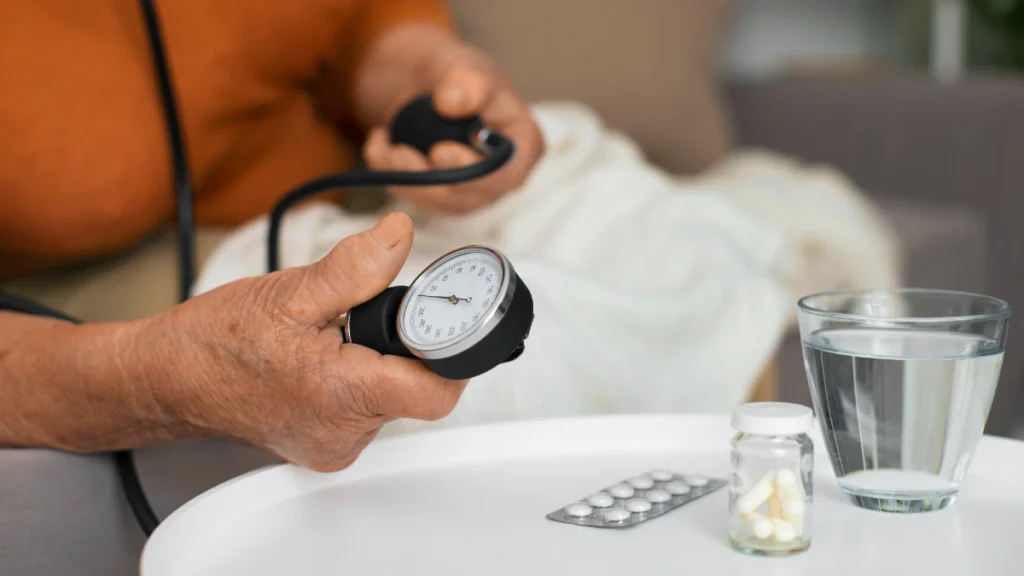
Many people eat right and exercise but still see high numbers because they overlook common triggers in their medicine cabinet or daily routine.
Certain over-the-counter medications and social habits can secretly raise your blood pressure and work against your efforts to lower it.
It is important to review everything you put into your body, not just food, to ensure you are not accidentally sabotaging your heart health.
- Pain Relievers: Common NSAIDs like ibuprofen and naproxen can cause your body to hold onto fluid and raise your pressure.
- Decongestants: Many cold and flu medicines contain ingredients that tighten blood vessels and should be avoided if you have hypertension.
- Alcohol Intake: Drinking more than one or two drinks per sitting can cause both temporary and long-term spikes in your numbers.
- Herbal Supplements: Some natural supplements like licorice root or ginseng can surprisingly interact with your body to increase blood pressure.
Hidden BP Triggers
-
Pain Relievers
Common NSAIDs like ibuprofen can cause your body to hold fluid and raise pressure.
-
Decongestants
Cold medicines tighten blood vessels. Avoid if you have hypertension.
-
Alcohol Intake
More than 1-2 drinks can cause both temporary and long-term spikes.
-
Herbal Risks
Supplements like licorice
root or ginseng
can surprisingly increase blood
pressure.
Conclusion
You cannot feel high blood pressure, but you can measure it, and you can manage it. The silent killer relies on your ignorance to do damage, so do not give it that chance.
Do not wait for your next annual physical to find out where you stand. Order a validated monitor today, use the new risk calculators to understand your health, and take control of your numbers before they control you.