

Usually hoarding is a bad habit but Harry believes strictly that strategic hoarding is your best defense against inflation when you are five years from retirement.
Harry is a financial planner who sees clients obsess over hitting a specific net worth number like one million dollars yet they frequently ignore the massive expenses that will drain that account the moment they stop working.
If you do not prepare for big costs now you might be forced to withdraw money at the worst possible time so Harry advises a different strategy.
It involves stockpiling liquid cash and durable goods while you still have a paycheck to secure your financial independence and build a solid plan against the rising cost of living.
Retirement Vault
1. Hoard Cash The Two Year War Chest
Harry warns that the market does not care if you just retired and stock drops can happen at any moment without warning.
If the market crashes right after you quit working you might have to sell stocks at a loss just to pay for groceries which cements those losses forever.
This sequence of returns risk is a major threat that can kill your portfolio longevity so you need a dedicated buffer to survive the downturns. The goal is to have enough liquidity so you never have to sell a single share when the market is red.
- Calculate the monthly income gap not covered by your pension or Social Security
- Save enough cash to cover twelve to twenty four months of living expenses
- Keep this money in a high yield savings account strictly for emergencies
- Leave your investment portfolio untouched until the market recovers
2. Hoard HSA Receipts The Shoebox Strategy

Harry identifies the Health Savings Account as the most overlooked asset in the tax code for future retirees who want to save money.
Most people make the mistake of using these funds immediately to pay for current prescriptions or doctor visits instead of letting the balance grow.
A better approach is paying for these medical bills out of pocket now while you have a salary so the account balance keeps compounding. You can then reimburse yourself years later when you actually need the cash for a big purchase.
- Pay for current medical expenses with your personal bank account
- Save every digital receipt in a secure folder for future use
- Invest the funds within the HSA to maximize tax free growth
- Withdraw the money tax free ten years later by showing the old receipts
The HSA Growth Hack
-
Pay Out-of-Pocket
Pay for current medical expenses with your personal bank account.
-
Save Receipts
Save every digital receipt in a secure folder for future use.
-
Invest Funds
Invest the funds within the HSA to maximize tax-free growth.
-
Withdraw Later
Withdraw the money tax-free years later by showing the old receipts.
3. Hoard Home Upgrades The Big Ticket Audit
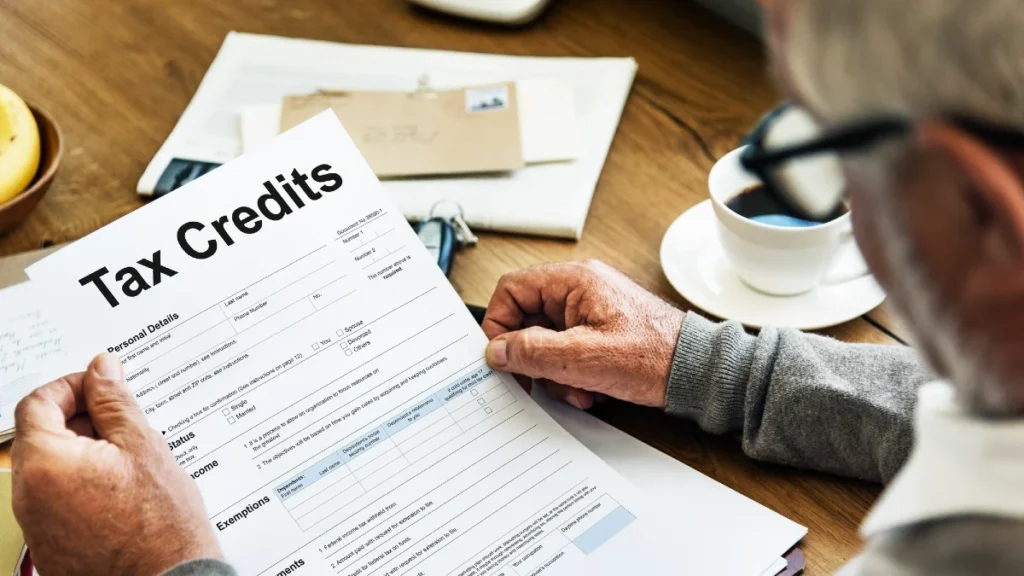
Your home remains a financial liability until it is fully updated and prepared for your older years according to Harry.
He points out that paying for a new roof or HVAC system is much easier when you have a steady salary coming in every month rather than a fixed pension.
Withdrawing a large lump sum from retirement accounts to fix a leak triggers a painful tax bill that hurts your long term savings.
You should focus on capital improvements that ensure you will have low maintenance costs for the first decade of retirement.
- Replace aging appliances like refrigerators and water heaters now
- Audit the home for safety features like grab bars and better lighting
- Repair major structural issues like the roof or windows immediately
- Ensure the home is suitable for aging in place comfortably
4. Hoard Roth Conversions The Tax Free Bucket
Taxes are currently at historic lows but Harry reminds clients that current laws are set to expire very soon. He suggests moving money from traditional accounts to Roth accounts now to lock in these lower rates before they potentially rise in the coming years.
This strategy ensures you have a bucket of money you can access later without worrying about tax hikes or government changes.
It also protects you from forced withdrawals known as Required Minimum Distributions that can mess up your tax bracket later in life.
- Convert Traditional IRA funds to Roth IRA funds while working
- Pay the taxes on the conversion now while rates are known
- Build a source of tax free income for your later years
- Avoid mandatory withdrawals that increase your taxable income
Roth Conversion Strategy
-
Convert While Working
Move traditional IRA funds to Roth IRA funds while you are still earning.
-
Pay Taxes Now
Pay the taxes on the conversion now while rates are known.
-
Build Tax-Free Income
Create a source of income for your later years that the IRS won’t touch.
-
Avoid RMDs
Avoid mandatory withdrawals that increase your taxable income later.
5. Hoard a Reliable Vehicle The 10 Year Drive

A large monthly car payment is often the biggest budget killer for retirees living on a fixed income according to Harry. He advises purchasing a reliable and low maintenance vehicle one or two years before you hand in your resignation letter.
The goal is to drive into retirement with the title in hand and absolutely zero monthly payments to worry about for the foreseeable future.
This effectively gives you a monthly raise since that money stays in your pocket instead of going to a lender.
- Purchase a reliable car one to two years before retiring
- Prioritize low maintenance costs over luxury features or status
- Pay off the entire car loan before your first day of retirement
- Plan to keep the vehicle for at least ten years to maximize value
Retirement Garage
Summary of Items to Hoard
| Item to Hoard | The Strategy | The Benefit |
| Cash | Save 2 years of expenses in a HYSA | Protects against market crashes |
| HSA Receipts | Pay medical bills out of pocket now | Creates a tax-free emergency fund |
| Home Upgrades | Fix roof and appliances while working | Lowers future repair costs |
| Roth Conversions | Convert traditional funds to Roth | Locks in low taxes and avoids RMDs |
| Reliable Vehicle | Buy and pay off a reliable car | Eliminates a major monthly payment |