

The old proverb says deep rivers run quiet. You have probably heard it used as advice to be humble. It has nothing to do with politeness. Rather, it explains money's real behavior.
The shallow stream splashes and runs dry. The deep river makes no sound and never stops. Most people spend their lives making noise with money—the car, the watch, the renovation—and wonder why freedom never arrives. That racket isn't the arrival of freedom. It's freedom walking out the door.
This is a list of twelve cheap purchases that do the opposite. None of them can be photographed for strangers. Most cost less than a restaurant dinner. But each one quietly buys back a piece of your time, and together they change what retirement feels like.
Quick Tips Before You Start
Start smaller than feels useful
$5 and $25 purchases are the point—small and automatic beats big and dramatic.
Tell no one
Silent buying keeps you out of the comparison trap that keeps people broke.
Automate the day after payday
Recurring transfers stick when they fire before you have a chance to spend.
Check fees first
A $50 stake means nothing if a $75 annual fee eats it. Read the fee page.
Measure in hours, not dollars
At $25 an hour, a $100 purchase costs four hours of your life.
1. A Single Broad-Market Index Fund Share
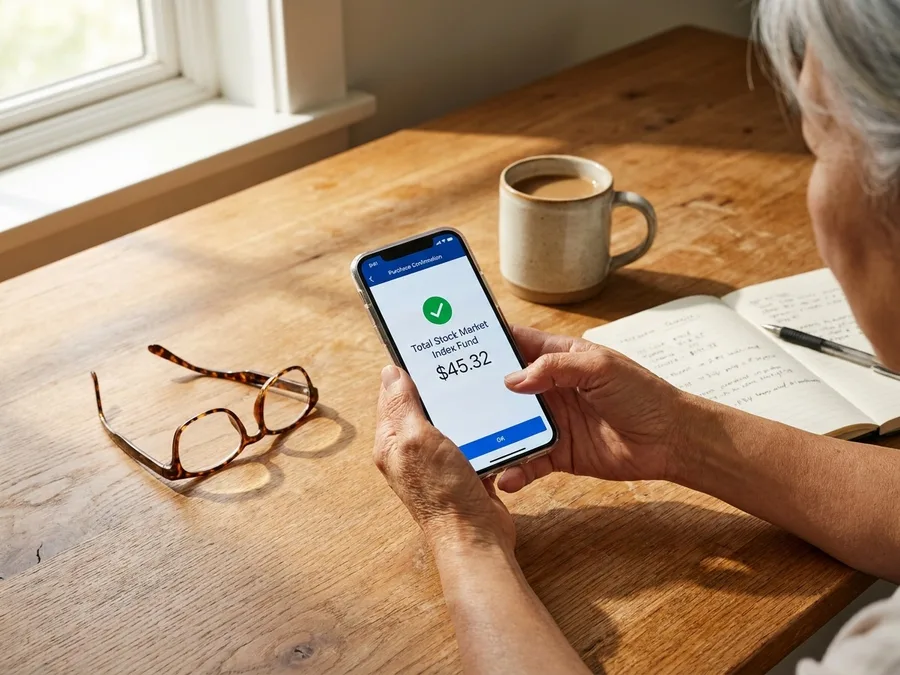
One share or a fractional slice of a broad-market index fund costs about $5 at most brokerages, and it buys you a sliver of hundreds of companies that pay you whether you woke up or not.
That is the opposite of the wage trance, the deep belief that money only comes from showing up. A 55-year-old man earned well for 30 years, owned a house and cars, and had almost nothing that paid him. The day he stopped working, the income stopped.
Buffett's line is the test: unless you find a way to earn while you're asleep, you'll keep working until your final day.
You get broad exposure in one purchase, no single-company gamble. Buy through a low-cost brokerage, check the fund's expense ratio, and leave it alone rather than trading it back and forth.
💡 Tip: Buy a broad index fund, not a single stock. One company can go to zero; the whole market has never stayed down forever.
| # | Cheap purchase | Typical cost | What it buys |
|---|---|---|---|
| 1 | Broad-market index fund share | $5 | Ownership that pays you while you sleep |
| 2 | Automatic monthly investment | $25 | A habit that keeps buying ownership |
| 3 | Dividend reinvestment setting | $0 | Compounding with no extra cash |
| 4 | REIT index fund stake | $50 | Fund-form property ownership |
| 5 | Automatic ground fund transfer | $25 | A path toward a small property |
| 6 | Library card skill stack | $20 | A valuable skill for free |
| 7 | Community-college skill course | $49 | Training tied to real job demand |
| 8 | Debt payoff ledger | $2 | A clear picture of what you owe |
| 9 | Automatic extra debt payment | $10 | Small payments that break the chain |
| 10 | Cash envelope freeze kit | $10 | No new debt while you pay old |
| 11 | Hours-per-purchase card | $3 | A lens that shows the real cost |
| 12 | Automatic buy-time transfer | $25 | Savings that literally buy free hours |
2. A $25 Automatic Monthly Investment

That first slice only grows if you keep buying, and the easiest way to keep buying is to never think about it.
Set a recurring buy for the same day each month into the same broad index fund, $10 to $25 is plenty to start. The catch is that you have to leave it alone: do not check the balance weekly, and do not announce it.
A holding can grow without anyone watching it. All it needs is time.
3. A $0 Dividend Reinvestment Setting
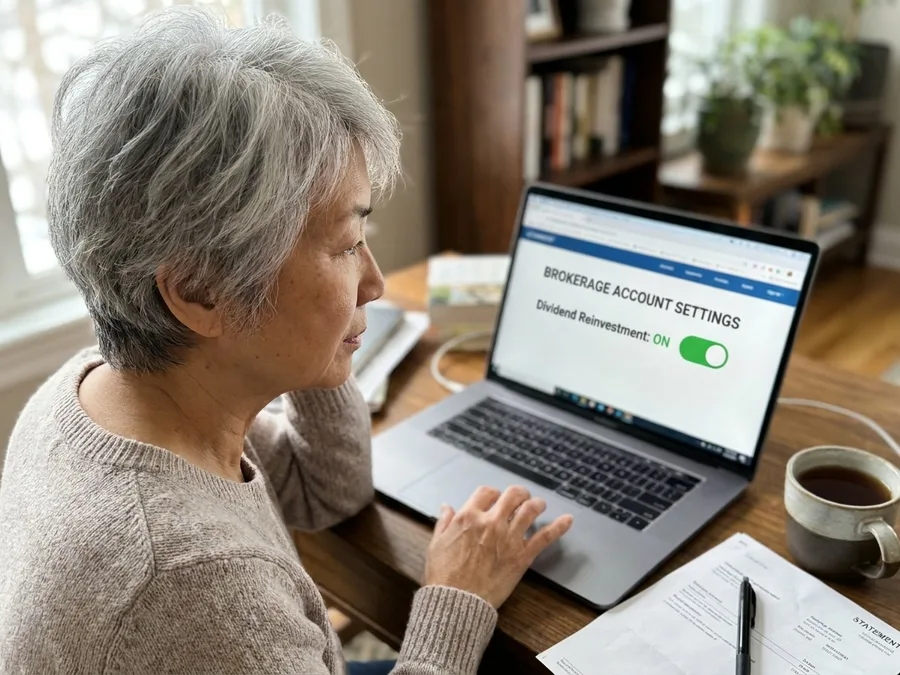
Buying the share is one thing; keeping your hands off the payouts is another. If your fund pays dividends and you take them as cash, you have to remember to reinvest. One free setting fixes that.
Turn on automatic dividend reinvestment at your brokerage. The small payouts buy more shares on their own, and you never have to touch it again.
Run a quick example: a holding worth $500 paying a 2% dividend hands you $10 a year, which quietly buys more of the fund instead of landing in your checking account where it gets spent.
Check the setting once, then leave the position alone for years. This takes two minutes and costs nothing.
It is the quietest purchase on the list, and over decades it is the one that quietly multiplies the others.
💡 PRO TIP
The Growth Is in the Boring Part
Most of the payoff from these first three purchases comes from time, not from the amount. A $5 start and a $25 monthly habit will not feel like much for a year. That is fine. The direction matters more than the size.
4. A $50 REIT Index Fund Stake
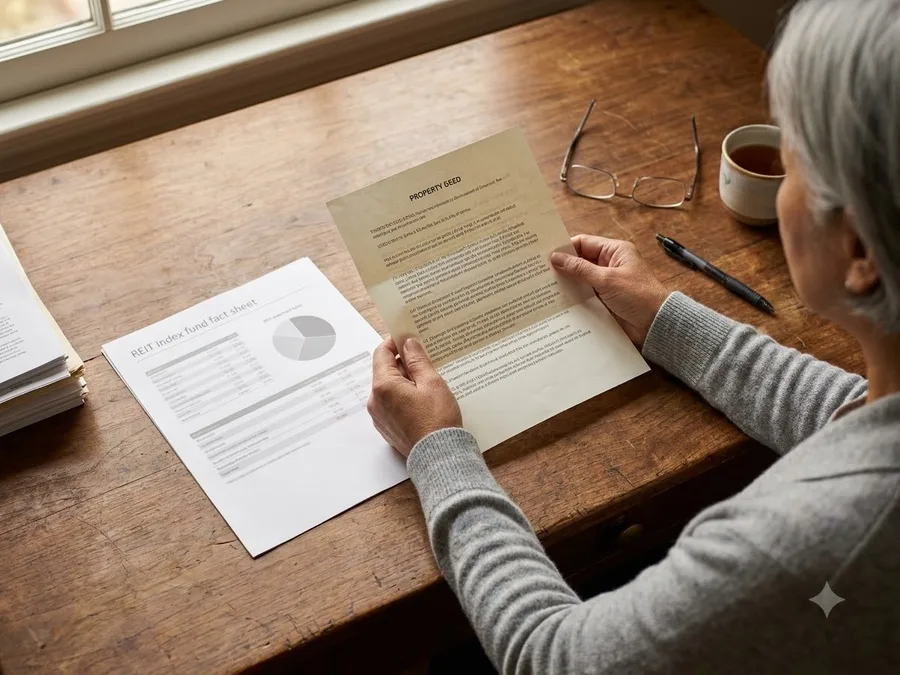
Once you own part of the market, the same logic points at the ground underneath it. If you want property exposure without a six-figure down payment, start with about $50 in a low-cost REIT index fund.
It owns a slice of many real estate companies, not a deed to one building, but it puts you on the ownership side. The trap is renter's blindness: seeing only the monthly payment and never asking who owns the thing at the end. A $140,000 small condo with 10% down needs $14,000, out of reach for many; the $50 fund stake is the smaller first step.
Check the fund's expense ratio and holdings before you buy, and be skeptical of fees above 0.25% on an index fund.
Direct Property vs. Fund Ownership at a Glance
🏠 Cash left after entry
$0 down vs. $13,950 spare
📄 One bad tenant costs
One vacancy vs. a tiny share
🛠️ To sell in a hurry
Weeks to months vs. one click
💧 Spread your risk
One address vs. dozens of buildings
🧾 Skip buying if
No 3-6 month reserve vs. fee over 0.25%
The smaller first step
The fund buys the ownership habit; a condo buys a job with a deed. Start with the habit.
5. A $25 Automatic Ground Fund Transfer
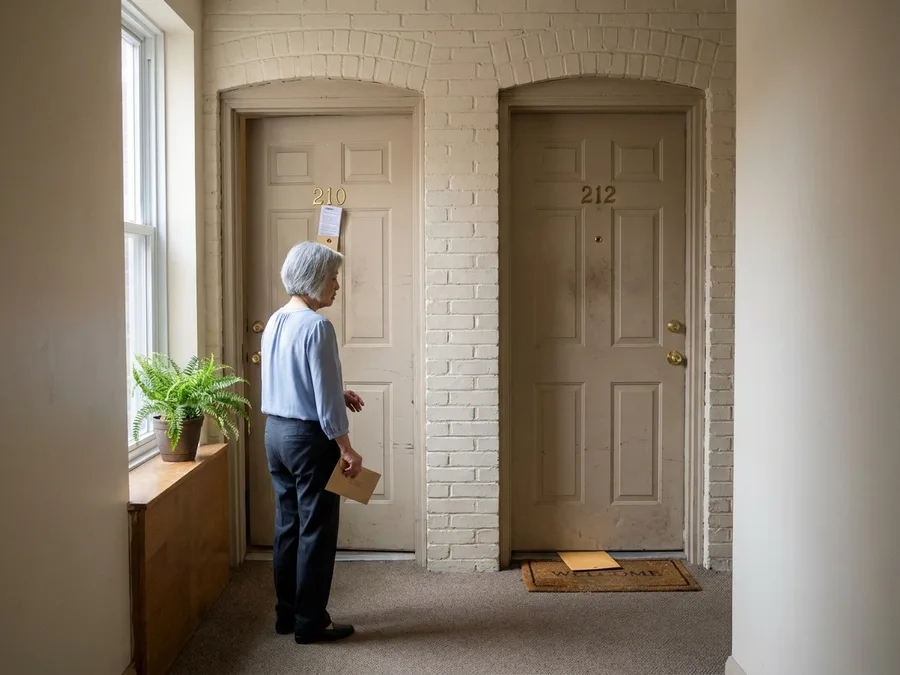
Picture two renters in identical apartments for 30 years. One scrapes together enough to buy a small, plain place and holds it. The other keeps renting and spending whatever is left over.
Thirty years later, one owns a thing other people pay to use; the other owns a stack of canceled payment stubs, not an asset. Carnegie claimed most millionaires made their money through real estate, and that land has produced more wealth than all industry combined. The reason is simple: they are not making more ground.
Name an account Ground Fund and move $25 to $100 into it automatically each month. Target the smallest, plainest place you can reach, not a mansion, and confirm local first-time-buyer programs through official sources before assuming you cannot qualify.
A worked version: $50 a month at a modest return builds a meaningful reserve in a few years, enough to matter as a down payment on something small.
The catch is patience. This is not a get-rich plan; it is a get-free plan, and it runs slowly on purpose.
Every dollar spent being seen is a dollar that cannot be spent becoming free.
— The quiet trade behind all twelve purchases
6. A $20 Library Card Skill Stack

Start with the one the market is asking for, not the one that sounds fun. A library card runs $0 to $25 and gets you free courses and business databases most people never touch.
Here's the finished mind to kill first: the belief that learning ends around age 30. That single idea caps more incomes than any boss ever did. Pick something hard and marketable, like bookkeeping, medical billing, spreadsheet analysis, or a trade, and check real job postings before you commit a single evening.
Then spend one hour a day for two years. Not scrolling, not watching. Learning. It's the cheapest raise you'll ever give yourself.
💡 Tip: Spend one hour a day for two years. That is roughly 730 hours—enough to become genuinely useful at a new skill.
Two Ways to Spend an Evening
Buy the skill
- Library card or $49 course
- One hour of focused practice
- A credential tied to job postings
- Income that compounds
Buy the noise
- Streaming subscription you forget
- Three hours of scrolling
- A phone upgrade every year
- Nothing left behind
7. A $49 Community-College Skill Course

A free library card gets you moving, but sometimes paying a little is what makes you finish. Look for a $49 to $150 noncredit or certificate course at a community college, and make sure it ties to a real job posting you can point to.
A 40-year-old woman with almost no money spent her evenings learning a hard skill for two years. Within five years she had tripled her income—not by working more hours, but by raising the value of each one. Franklin put it plainly: an investment in knowledge pays the best interest.
Schedule one hour a day and finish the certificate. Then send the more valuable person to work.
The catch is simple. A course with no income use is entertainment wearing a lanyard, so check the job listings before you pay.
💡 Tip: Ask the college for completion and placement numbers before you pay. If they cannot tell you, keep looking.
8. A $2 Debt Payoff Ledger
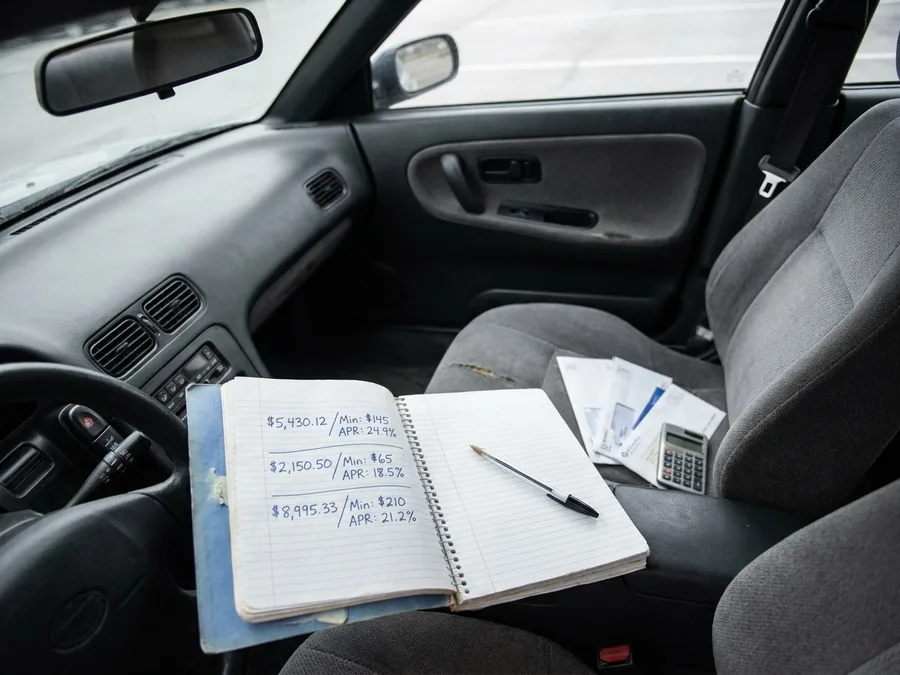
All the ownership and skill in the world can't outrun a chain around your balance sheet. That chain is comfortable debt, the kind that doesn't feel like debt: the card carried month to month, the financed car, the buy-now-pay-later deals that carve every want into another small monthly bill.
Buy a $2 notebook and write down every debt you have, with its balance, minimum payment, and interest rate. Then pick your method. Smallest balance first gives you momentum, highest rate first gives you the math. A $3,000 balance at 20% doubles in under four years if you leave it alone.
Attack one link at a time, and refuse to add new ones. The ledger makes the chain visible, and a visible chain is a breakable one.
⛓️ How the Debt Chain Comes Apart
Order the page
Smallest balance first beats rates if you quit early; highest rate first saves the most dollars.
Run the 20% test
A $3,000 balance at 20% hits about $6,000 before four years pass. That is your urgency.
Time the draft
Schedule the extra payment 1-3 days after payday so the money never sits in checking.
Freeze before you start
Close store cards and remove saved checkout cards first, or new debt refills the page.
Match the next minimum
Roll the old payment forward but never below the next debt's minimum, or you just lengthen the chain.
9. A $10 Automatic Extra Debt Payment

Once the ledger exists, the real question is how to make the plan happen every month without relying on willpower. Automate it. Set an extra payment, $10 is enough to start, for the day after payday, and send it to one debt only.
A couple with a good income once sat down and found most of each dollar was spoken for before it arrived. They didn't have an income problem. They had a chain problem.
Increase the amount each time a bill gets paid off, and refuse new financing while you're cutting links.
10. A $10 Cash Envelope Freeze Kit
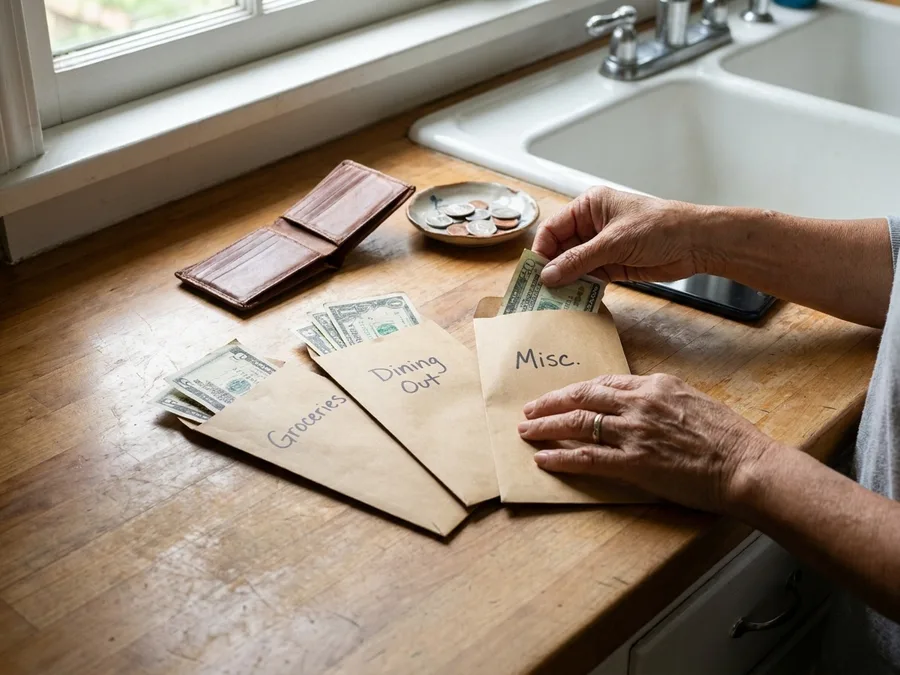
Not discipline. Friction. Take the saved card off your phone and out of your wallet, and run your discretionary spending on a $10 cash envelope system instead.
Keep one card for genuine emergencies only, and put it somewhere annoying to reach. That's the whole trick: make the wrong move take effort.
The goal is blunt. No new debt while the old debt is under attack, because every dollar that goes to a lender is a dollar that can't buy ownership, ground, or skill.
Start with the phone. One saved card removed tonight costs nothing and changes tomorrow.
💡 Tip: Label envelopes Groceries, Fun, and Household. When Fun is empty, you are done until next month.
⚠️ COMMON MISTAKE
Do Not Pay for a Debt 'Helper' Upfront
If a company promises to fix your debt for an upfront fee, walk away. Call your lender directly and ask for the hardship department. Get any agreement in writing before you pay a cent.
11. A $3 Hours-Per-Purchase Card
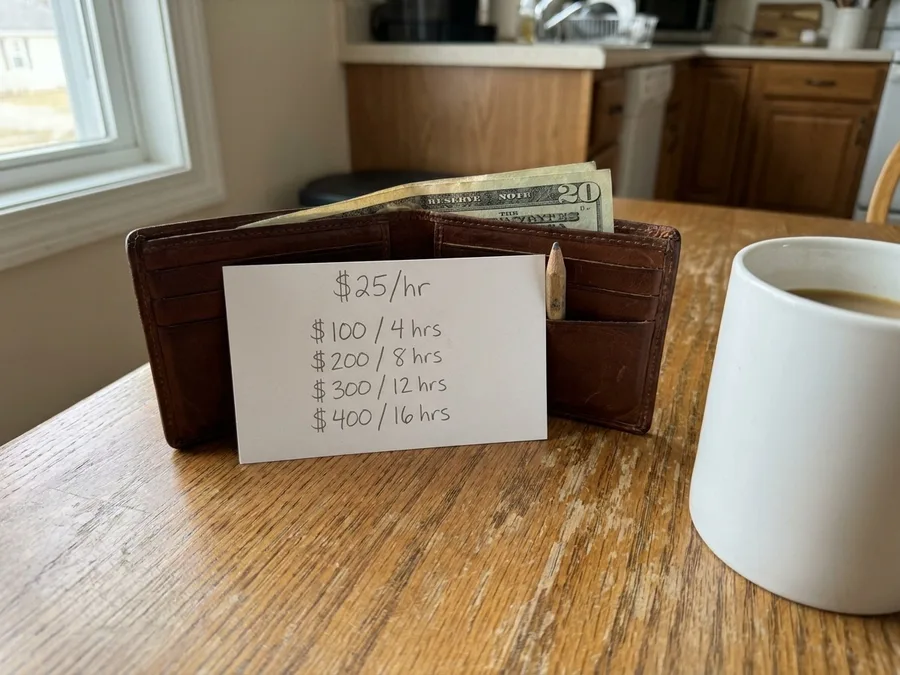
The someday delusion is the quietest lie in finance. Freedom gets promised after the next promotion, after the kids leave, after 65, and the hours keep draining out while you wait for a date on a calendar.
Grab a $3 index card and write your hourly value on it. At $25 an hour, a $100 purchase costs four hours of your life, and you do the division before the money leaves, not after.
That pause is the whole tool. In the moment before you buy, you see the real price, and that is when the money gets redirected to ownership, ground, skill, or debt instead.
One catch: use an after-tax hourly figure, or the card flatters you. Four hours is four hours either way, and the hours are the one thing on earth that never come back.
12. A $25 Automatic 'Buy Time' Transfer

You are standing in the store, or scrolling on the couch, and the loud purchase is right there asking for your money. That is the exact moment this transfer is built for, because the hours card has already shown you what it costs.
Now go to the end. A 68-year-old man finally has the money, capital and ground and all of it. But the years are behind him, his health is not what it was, and the people he wanted to spend the time with have moved on. Freedom came to him just one week past the point of use.
Financial independence means your assets cover the cost of your living, so work becomes a choice instead of a sentence. Monthly costs of $2,500 become the target your assets eventually need to cover.
So when you skip a loud purchase, send that same amount automatically to the first four silent purchases. Tie the transfer to the hours card, so every $25 that moves buys back an hour at your rate.
Then let it run, quietly, for years. The catch is that it has to be automatic, because a manual transfer is just a decision you will keep postponing.
Which Account Holds Each Purchase
Where you hold these purchases matters almost as much as what you buy, and it is the step most people skip. A taxable brokerage is the simple starting point for index funds and REITs. A high-yield savings account is the right home for a ground fund you may need within a year or two, and an IRA can shelter retirement money but often limits when you can touch it without a penalty.
Compare all three before you open anything: taxable brokerage, IRA, high-yield savings. Check minimums and fees first.
Some brokerages charge nothing to open, while others have account minimums that make a $25 monthly start pointless. If the minimum is $1,000 and your automatic transfer is $25, you have just built a transfer that bounces.
Keep the ground fund separate from retirement money you may need soon. If you may use the money within two years, leave it in savings, not the market.
A quick example: $2,500 of ground money sitting in savings earns a modest rate and stays whole, while the same $2,500 in stocks can be down 20% the month you need it for a roof. Confirm tax rules with the official source for your situation before you move money. Rules change, and the details matter when you are close to retirement.
A $0 Lender Hardship Call Script
What do you actually say when you cannot pay a debt? Write it down first: the balance, your income, and what you can realistically offer. You will not remember it all under stress, and the phone has a way of making your mind go blank.
Before you dial, put three numbers on paper. The balance owed. Your monthly income. The amount you can honestly send each month. That last figure is the one the conversation turns on, so pick it before anyone pushes you.
Then ask for the hardship department, not the general call center. The first person who answers is not usually trained to help with this, and asking for the right team is not rude, it is efficient. Request any options in writing before you agree to anything on the phone.
Confirm the agreement with the official lender, and do not pay a third-party fee upfront. Every legitimate hardship plan can be set up directly through the lender's own hardship team at no cost to you, so anyone charging for it is selling you a phone call you can make yourself.
Already Retired: Which Purchases Still Work
You can start at any age, but the order changes once you are already retired. Start with the debt items and the hours card if money is tight, because they cost almost nothing and free up cash quickly. That means the $2 ledger, the $10 automatic extra payment, and the $3 card you can slip into your wallet.
Use small ownership and property exposure only with money you will not need within two years. A $5 fractional share or a $50 REIT stake is fine as a first step, but not with next year's grocery money.
Choose a skill course only if it has a clear income use, and skip the long-horizon bets when the next few years are the priority.
if the skill has no buyer, the course was a hobby.
In retirement the goal is the same, buy back your time. But the timeline is shorter, so small and steady beats ambitious and risky every single time.
Frequently Asked Questions
Are these purchases really worth it if I only have a few dollars to spare?
Yes. The point is not the amount—it is the direction. A $5 index fund share and a $25 monthly automatic investment teach the habit of ownership. Over time, the habit matters more than the starting sum.
Should I pay off debt or invest first?
If you are carrying a credit card balance at 20% or more, pay that off before investing. No investment reliably beats 20%. If your debt is low-interest and manageable, you can do both—automate a small extra payment and a small investment.
Can I buy a REIT index fund with just $50?
Many brokerages let you buy fractional shares of ETFs, often with as little as $1. Check the expense ratio and holdings first. A REIT fund is not a down payment—it is a way to start owning property exposure in fund form.
What if I am already retired and worried about risk?
Start with the debt items and the hours card if money is tight. Anything you may need within two years should stay in a savings account. Ownership stakes belong in money you can leave alone for a while.
How do I avoid getting scammed by debt relief companies?
Call your lender directly and ask for the hardship department. Get any agreement in writing before you agree. Never pay a third-party fee upfront for a promise to fix your debt.
Start With the One That Fits Your Situation
You do not need to buy all twelve this week. Start with the one that solves the loudest problem in your life right now. If you are carrying a credit card balance, start with the $2 debt ledger and the $10 automatic extra payment—the chain is the thing costing you the most.
If you own nothing that pays you, start with #1, a single broad-market index fund share. If you still want income and have hours to learn, start with #7, the $49 community-college course tied to real job demand. And if you need to see what your spending is really costing you, start with #11, the $3 hours-per-purchase card.
The gap between the life you have and the quieter life you want closes through many small, quiet buys—beginning with the next dollar you spend. Buy one this week. Say nothing. Let it grow.
Pick One Purchase and Make It This Week
You have twelve cheap moves in front of you and a next dollar ready to go. Choose the one that fits your situation, automate it if you can, and let the silence do the work.