
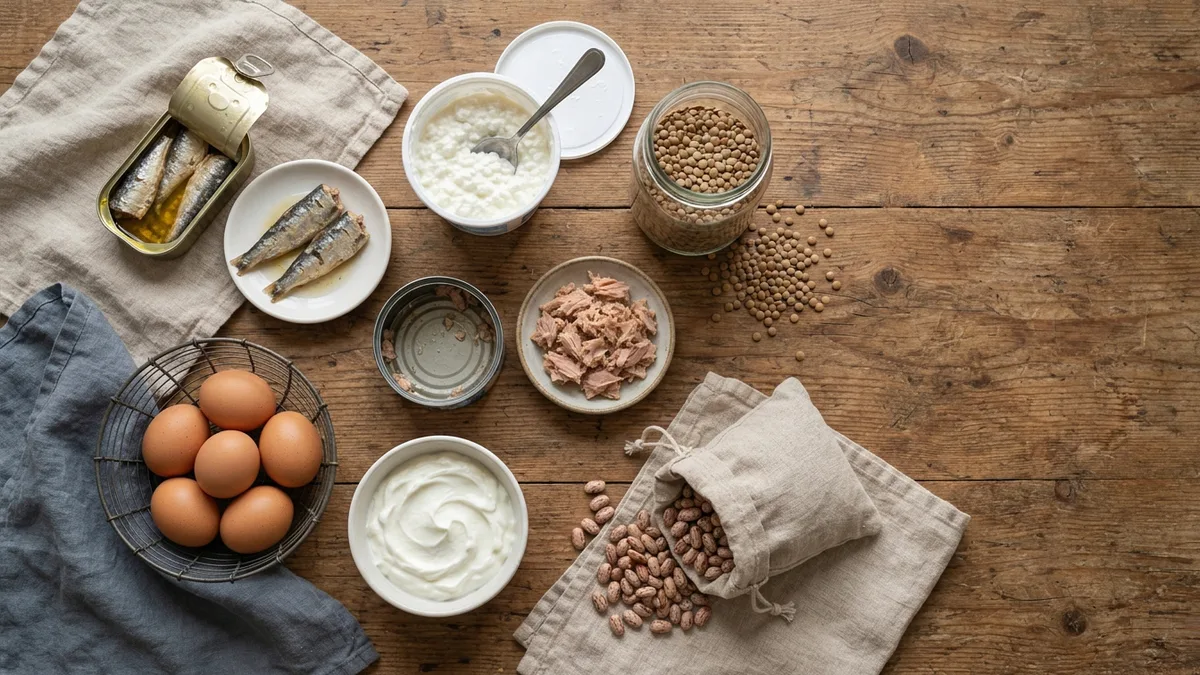
After 50, you lose about 1 to 2 percent of your muscle mass every year. By 80, that can add up to a 30 percent drop in strength.
The fitness industry would have you believe staying strong costs $200 a month or more in powders, premium steaks and specialty meals. It doesn't. Some of the most effective muscle-building proteins are sitting on the low-cost shelves of your local supermarket, with no slick marketing and no famous faces behind them.
For the past three years, I've looked at why some seniors stay remarkably strong well into their 80s while others struggle with weakness and dependence. The answer had nothing to do with spending more. In reality, the strongest seniors tended to spend less. They just picked proteins their bodies could use more effectively.
Here are seven affordable protein-rich foods, each under $3 per serving, ranked from good to must-have. I'll explain why they work, exactly what they cost, and how to prepare them for maximum muscle-building results. The top pick runs under 50 cents a serving and gives you more usable protein than supplements costing twenty times that.
Quick Tips Before You Start
Shop the budget aisle
Canned fish, dried beans and store-brand cottage cheese are usually on the lowest shelf, not in the health-food section.
Eat the whole egg
Half the protein and most of the vitamin D sit in the yolk, so skip the egg-white-only habit.
Rotate your canned fish
Alternate tuna, sardines and salmon through the week to keep mercury low and flavors interesting.
Choose water-packed tuna
Water-packed saves calories compared to oil-packed and costs the same or less per can.
Cook beans in bulk
A slow cooker or pressure cooker turns a $1.20 bag of dried beans into a week of meals you can freeze in portions.
Track one week of spending
Write down what you currently spend on protein so you can compare it to these foods at the end of the week.
1. Canned sardines: complete protein with omega-3s
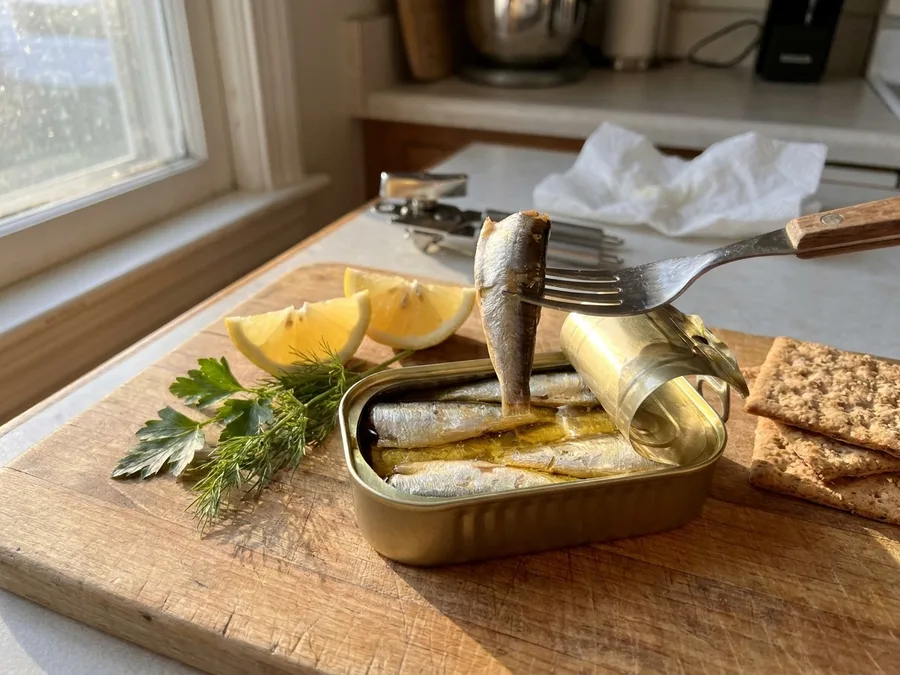
After 50 you lose roughly 1 to 2 percent of your muscle mass every year, and by 80 that can add up to a 30 percent drop in strength. The supplement aisle wants $200 or more a month to fix it. All seven foods coming up cost under $3 a serving, and the first one is a can of sardines for about $1.25.
That can holds 23 grams of complete protein, meaning all nine essential amino acids your body needs to build muscle, plus omega-3 fats that calm inflammation and slow muscle breakdown. The soft bones you barely notice add calcium for your own. In one three-year study in the American Journal of Clinical Nutrition, older adults who ate small fatty fish twice a week held onto noticeably more muscle than those who ate it only occasionally, and they kept better grip strength and walking speed.
No cooking required. Smash them onto avocado toast with a squeeze of lemon and some herbs, toss them into pasta salad, mix them into scrambled eggs, or pile them on crackers with a dash of hot sauce. Blended into a Caesar dressing, nobody at the table will guess.
💡 Tip: Buy sardines in olive oil or water and stock up when they're on sale – they keep for years.
| Food | Protein per serving | Typical cost | Cost per gram of protein | Quick use |
|---|---|---|---|---|
| Canned sardines | 23 g per can | $1.25 per can | About 5 cents | Mash on toast with lemon |
| Cottage cheese | 24 g per cup | $2.50 per 16 oz | Under 3 cents | Blend into smoothies |
| Lentils | 18 g per cooked cup | Under $1.50 per lb | About 20 cents per serving | Simmer in soup |
| Canned tuna | 22 g per 3 oz | $1 per can | Under 5 cents | Mix with crackers |
| Eggs | 6 g per egg | $2.50 per dozen | Under 4 cents | Scramble with vegetables |
| Greek yogurt | 20 g per cup | $0.50 per 32 oz | About 3 cents | Top with berries and nuts |
| Dried beans | 15 g per cooked cup | $1.20 per lb | Under 1 cent | Mash into spreads |
2. Cottage cheese: slow casein for overnight muscle
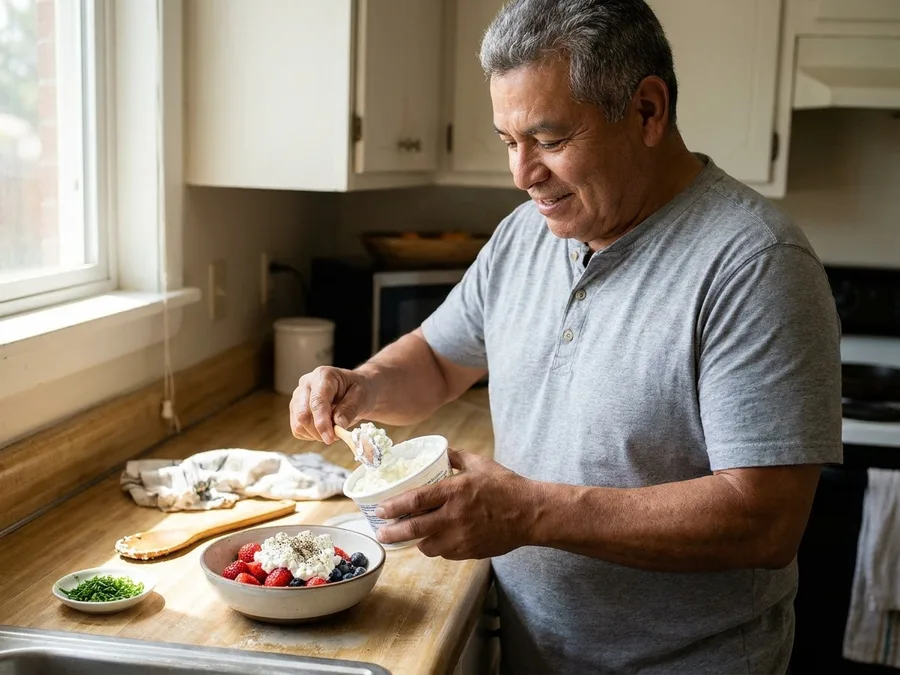
Cottage cheese looks old-fashioned, and that's exactly why it's one of the best muscle foods for anyone over 60 on a budget. One cup delivers 24 grams of protein, and a 16-ounce container costs about $2.50. That container holds roughly 100 grams of quality protein, which works out to under 3 cents per gram – the same money buys a protein bar with 20 grams and a lot of marketing.
What sets it apart is casein, a protein that digests slowly and drips amino acids into your bloodstream for hours instead of dumping them all at once. That matters more with age, because muscles become less responsive to protein, a problem called anabolic resistance. Think of gulping a glass of water versus sipping one all afternoon.
McMaster University researchers found older adults who took casein before bed saw notable gains in muscle growth and strength. Research published in the Journal of the American Medical Directors Association linked eating cottage cheese at least four times a week to measurable gains in muscle mass, grip strength and bone density scores.
Here's the catch most people get wrong: pick full-fat, not low-fat. The fat helps you absorb the protein and keeps you full, and the skim version often has gums and extra sodium added to make up for the missing texture. A quick example of how cheap this gets – a tub lasts a week of breakfasts for one person at roughly 35 cents a portion.
Use it as a savory base with herbs and chopped vegetables, blend it into smoothies for a thicker texture, spoon it over berries, or swap it for ricotta in lasagna. Just check the label for added sugar in flavored tubs and buy plain.
⚠️ COMMON MISTAKE
Don't chase the low-fat label
Low-fat cottage cheese and yogurt may save a few calories, but the fat helps your body absorb protein and fat-soluble vitamins like D. For muscle support after 60, full-fat is the better buy.
3. Lentils: plant protein plus iron and leucine
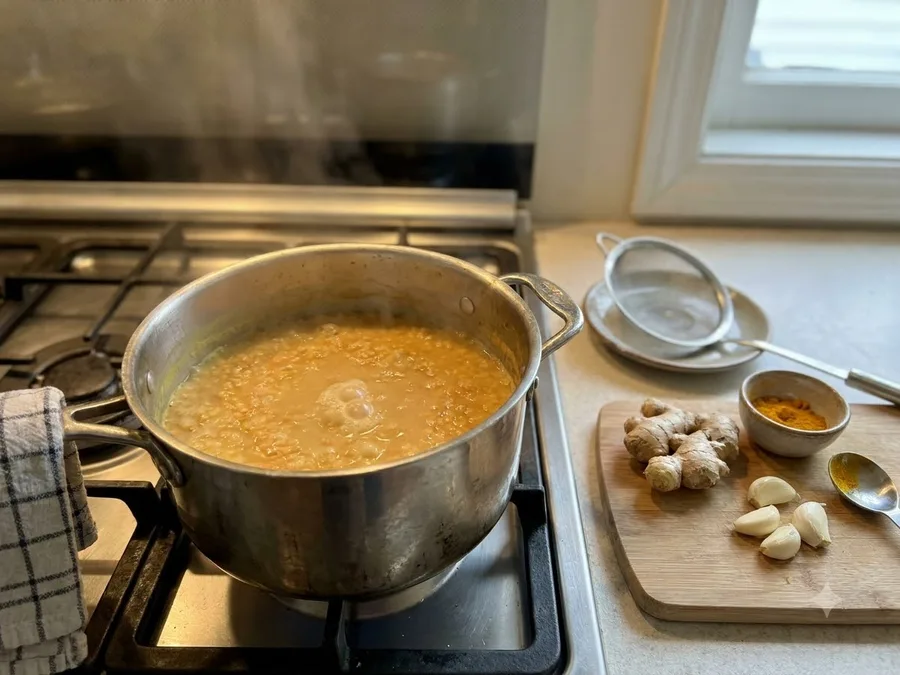
If you're cutting back on meat, that doesn't mean cutting back on muscle support. A cooked cup of lentils gives you 18 grams of protein, and a pound of dried lentils costs under $1.50, which lands at about 20 cents a serving. They cook in roughly 30 minutes with no soaking, so a pot on Sunday covers several meals.
It isn't just the protein number. Lentils carry iron, and mild iron deficiency can weaken your muscles before it ever shows up in hemoglobin levels – a tiredness many people over 60 write off as part of getting older. They also supply leucine, the amino acid that triggers muscle protein synthesis. On their own lentils aren't a complete protein, but eaten across the day with grains or nuts they supply all the essential amino acids, and the fiber feeds gut bacteria that help you absorb nutrients.
A Journal of Nutrition study found older adults who regularly ate legumes had better physical function and preserved more muscle mass than those who leaned mainly on animal proteins.
Pick your color by what you can chew. Red lentils break down fast into a creamy texture that suits anyone with denture or swallowing trouble, while brown and green hold their shape for salads and grain bowls. Cook them with ginger, garlic and turmeric – it lifts the flavor and, as a bonus, makes them easier on the stomach. Watch the salt you add at the end, since lentils soak it up fast.
Cost per gram of protein
Dried beans vs. a typical protein powder
Prices based on typical grocery store costs, rounded.
4. Canned tuna: lean protein that absorbs easily
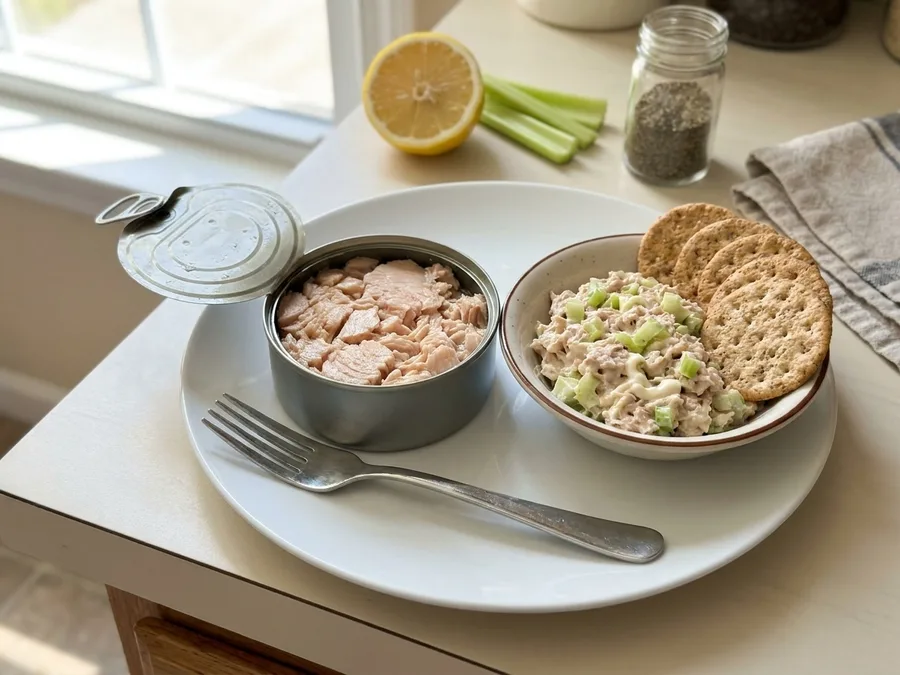
That can of sardines already showed you cheap fish works. Canned tuna is the leaner, milder sibling, and it costs about $1 a can – a 3-ounce portion gives you 22 grams of protein, which is under 5 cents per gram. Protein powders charge 15 to 20 cents per gram, and the tubs marketed to seniors can run far more.
Tuna supplies every one of the nine essential amino acids in the proportions your body needs and stays naturally low in fat, which suits anyone watching calories who still wants lean muscle. University of Arkansas research found older adults absorb fish protein at rates above 90 percent, even past 70 – and that bioavailability matters, because your digestive efficiency declines with age.
Choose water-packed over oil-packed for calorie control. Chunk light is the cheapest option; albacore has slightly more protein and a firmer bite. The catch is mercury: follow the FDA guidance of no more than 12 ounces of low-mercury fish weekly and rotate tuna with salmon and sardines rather than eating it daily.
Eat it straight from the can with crackers, flaked through a salad, shaped into patties with an egg to bind them, or piled on whole grain crackers with sliced vegetables.
💡 Tip: Mix a can of tuna with a spoon of Greek yogurt instead of mayo for extra protein.
Canned fish: water-packed vs. oil-packed
Water-packed
- Label reads 'in water' – no added oil
- Drain and press to remove extra sodium
- Flakes hold shape better for patties
- Best if watching calories or fat
Oil-packed
- Oil adds ~50-100 calories per can
- Drain well to cut added fat
- Oil can mask 'fishy' smell in sardines
- Check label: olive oil beats soybean
5. Eggs: the whole egg beats whites alone
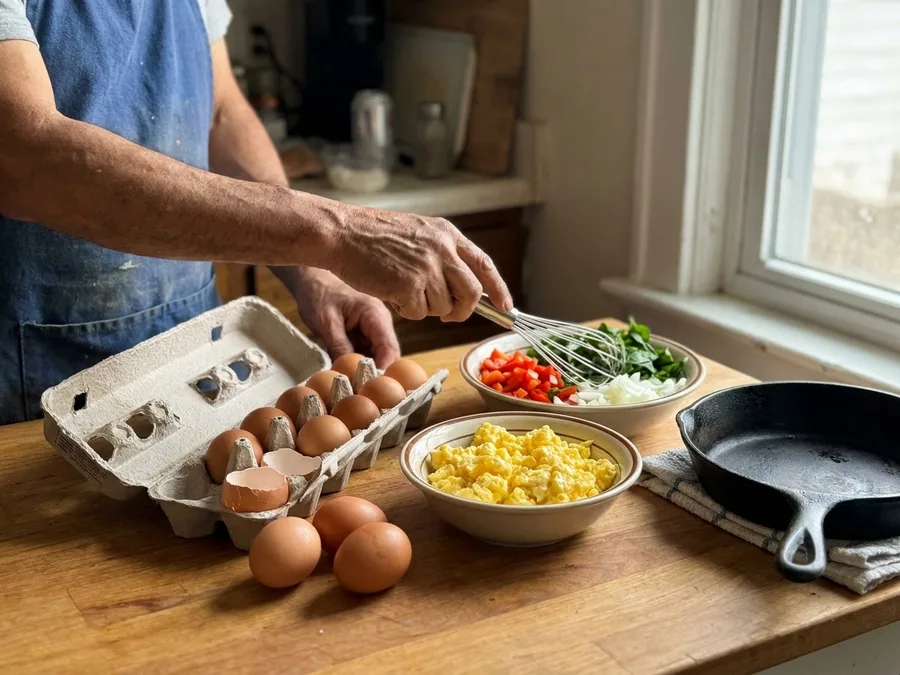
Picture breakfast: you've cracked two eggs, and you slide the yolks into the bin to save calories. That's the exact moment you threw away half the benefit. A dozen eggs costs about $2.50, roughly 20 cents each, and every egg gives you 6 grams of complete protein – under 4 cents per gram, with a better protein quality score than any other whole food.
Half the protein sits in the yolk, along with the leucine, vitamin D and choline that make the white's protein work harder. A University of Illinois study found whole eggs after exercise produced a 40 percent greater muscle growth response than egg whites alone. On the heart question, recent studies have largely debunked the egg-and-heart-disease link for most people – but if your doctor has given specific advice, follow it.
Make omelettes with vegetables, poach eggs on whole grain toast, hard-boil a batch for snacks, or scramble them with whatever vegetables are in the fridge. One tip the carton won't tell you: older eggs peel cleaner, so keep a dozen a week ahead for boiling.
6. Greek yogurt: whey and casein around the clock
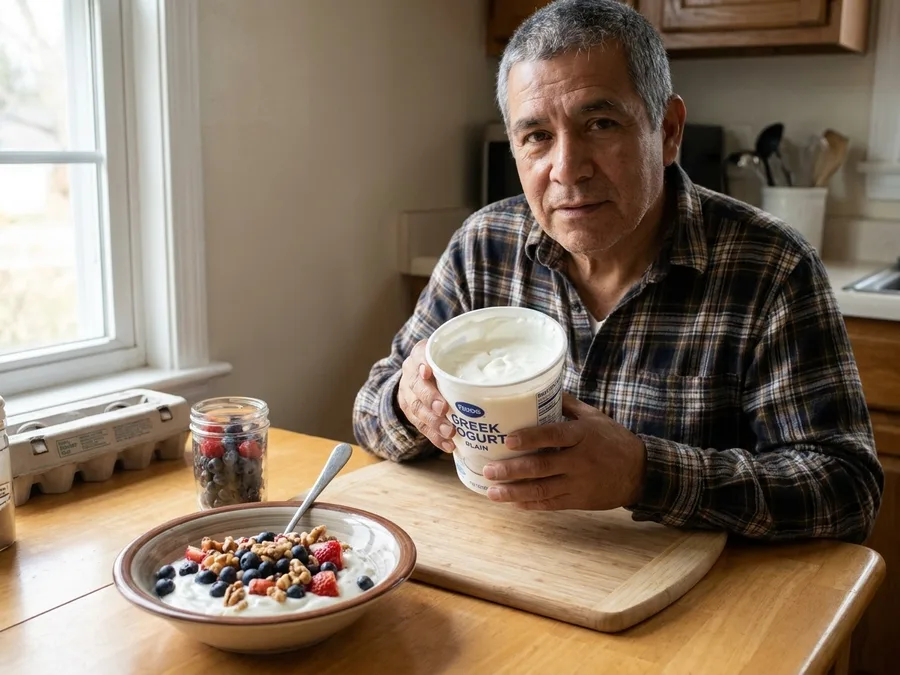
Eggs give you a quick hit of protein and then they're done. Greek yogurt is the opposite – it keeps feeding your muscles for hours, and it's the gentlest thing on this list for a stomach that's gotten fussy with age.
A cup delivers 20 grams of protein, and a 32-ounce container runs about $0.50 – roughly 80 cents per serving. That tub holds 160 grams of protein in total, which works out to about 3 cents per gram. Cheap enough that there's no reason to skip it.
The trick is that it contains two kinds of protein doing two different jobs. Fast-digesting whey kicks in right away for immediate muscle protein synthesis, while slow-digesting casein drips amino acids into your system for hours afterward. The probiotics do their own work too, supporting the gut health that lets you actually absorb nutrients and helps calm the low-grade inflammation that speeds up muscle loss.
A Tufts University study found that seniors who regularly ate Greek yogurt had more muscle mass and better physical function than those who ate regular yogurt or none at all. And over 12 weeks, people who ate it daily improved their walking speed and leg strength. Buy plain full-fat with no added sugar – sugar drives inflammation, and the fat helps you absorb fat-soluble vitamins. Use it in smoothies, with berries and nuts, in place of sour cream, or as a marinade for meat.
🫘 How to cook dried beans in bulk
Rinse and pick
Spread beans on a sheet pan and remove stones, then rinse under cold water.
Soak overnight
Cover with water and let sit 8 hours, or use the quick-soak method: boil 2 minutes, then rest 1 hour.
Simmer
Cover with fresh water and simmer 1 to 2 hours until tender, adding salt only at the end.
Cool and portion
Drain, cool, and divide into freezer bags or containers in 1-cup portions.
Freeze
Label with the date and freeze up to 3 months; thaw overnight in the fridge.
7. Dried beans: cheapest protein, then start small
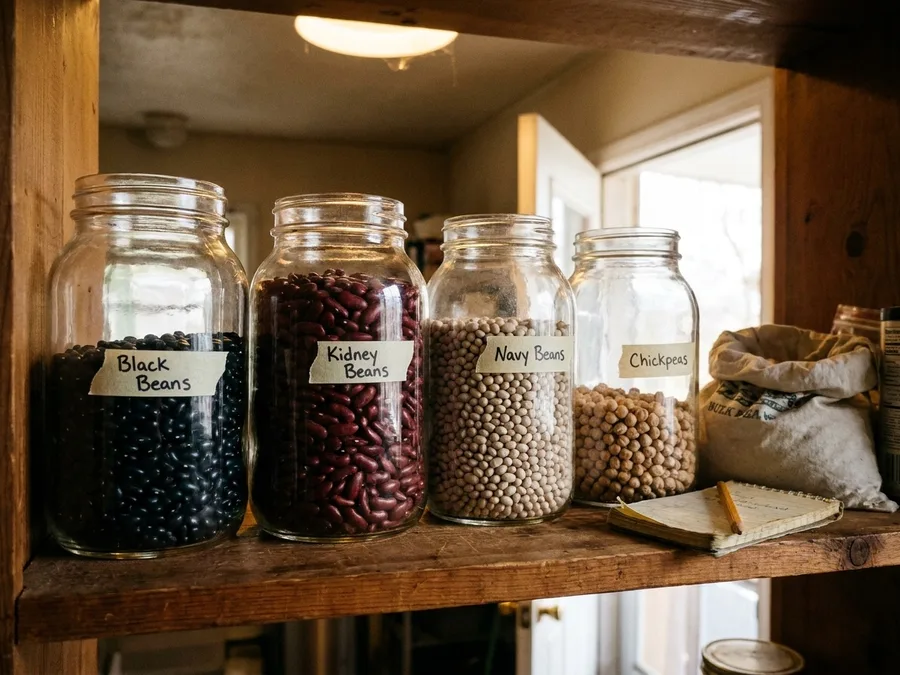
You've seen the cost-per-gram numbers on every food so far, and this is where that math bottoms out – dried beans are the cheapest protein of all seven, at under 1 cent per gram.
A cooked cup gives you 15 grams of protein. A pound of dried beans costs about $1.20 and yields roughly 12 servings, or 10 cents each. That same pound delivers nine times the protein of a single protein bar for the same money. Look at that ratio twice – it's the whole argument in one line.
Beans bring more than protein, too. They supply potassium, magnesium and iron for muscle growth and repair, plus polyphenols that help counter the chronic low-grade inflammation driving age-related muscle loss. A five-year Journal of Nutrition study found that seniors who ate beans regularly had more muscle mass, better physical function, fewer hospitalizations from falls and greater independence. One catch worth knowing: beans alone don't contain all the essential amino acids, but your body combines them with grains, nuts or small amounts of animal protein eaten across the day – you don't need them in the same meal.
Mix varieties so you don't get bored: black beans for antioxidants, kidney beans for folate, navy beans for fiber and potassium, chickpeas for extra protein. Cook a big batch in a slow cooker or pressure cooker and freeze portions. Mash them into spreads, toss them in salads, stir them into soups and stews, or serve them as a side with grains.
Now the close, and it's deliberately small. Pick just two of these foods this week – a simple bean soup for dinner, Greek yogurt with berries for breakfast, sardines for lunch. Compare what you're currently spending on protein to these choices, keep tuna and sardines stocked in the pantry, make beans in large batches, and let eggs and Greek yogurt form your daily base. Consistency, not perfection, is what actually moves the needle.
💡 Tip: Season beans with a bay leaf and a splash of vinegar at the end of cooking for restaurant-level flavor.
Frequently Asked Questions
How much protein do I need after 60?
Most healthy older adults need about 1 to 1.2 grams of protein per kilogram of body weight daily, which is higher than the standard adult recommendation. Spread it across meals rather than loading it all at dinner. Check with your doctor if you have kidney disease or other conditions that affect protein intake.
Are these foods really cheaper than protein powder?
Yes. Protein powder typically costs 15 to 20 cents per gram of protein, and senior-marketed supplements can run higher. Dried beans cost under 1 cent per gram, eggs under 4 cents, and canned tuna under 5 cents. The seven foods here are all under $3 per serving.
Can I eat canned fish every day?
The FDA advises up to 12 ounces of low-mercury fish per week for adults. Canned light tuna and sardines are low-mercury choices. Rotate between tuna, sardines and salmon through the week to keep exposure low while getting the protein and omega-3s.
What if I'm lactose intolerant?
Greek yogurt and cottage cheese contain lactose, but many people with mild intolerance can handle small amounts, especially with a meal. If dairy doesn't work for you, lean on eggs, canned fish, lentils and beans – all are dairy-free and still budget-friendly.
Do I still need to exercise to build muscle?
Protein feeds muscle, but resistance training is what tells your body to use it. Simple bodyweight moves like chair squats and wall push-ups a few times a week make a real difference. Talk to your doctor before starting a new routine if you have joint or heart concerns.
Two foods this week, not a whole new diet
Premium diets and costly supplements aren't necessary for senior muscle growth. Some of the most effective foods sit in your supermarket's budget aisle. Old-fashioned staples like beans, oats and eggs show why budget meals our grandparents relied on still work today. Each dollar you spend on these seven foods pays you back in strength and independence.
The smallest first move is to pick just two of them for this week. Bean soup for dinner. Greek yogurt with berries for breakfast. Sardines for lunch. Compare what you spend on those two with what you currently spend on protein.
Use the table above to stock your pantry with canned tuna and sardines, cook a big pot of beans, and make eggs and Greek yogurt your daily protein base. You'll likely feel more energy, recover faster, and keep the strength that supports your independence.
It doesn't have to cost a fortune to stay strong after 60. Good nutrition is frequently the least expensive option – you just need to know where to find it.
Ready to start with two?
Scroll back to the table, pick the two foods that fit your next grocery trip, and write them on your list before you shop.