
After a friend of ours was widowed, she told us the hardest nights were the first ones alone in the house. Every creak sounded like a footstep. A few small changes, most of them inexpensive, made her feel safe in her own home again.
The short version
- Strengthen doors first: good deadbolts and longer strike-plate screws.
- Light and noise deter intruders more than most gadgets.
- A daily check-in with someone you trust is one of the best safety tools there is.
Start with the doors
- Rekey the locks if you have moved or are not sure who has keys.
- Use a deadbolt on every exterior door, and replace the short screws in the strike plate with 3-inch screws that reach the door frame.
- Add a door viewer or video doorbell so you never have to open the door to see who is there.
- Secure sliding doors with a bar or dowel in the track.
Use light to your advantage
Motion-sensor lights by the doors and driveway are inexpensive and effective. Inside, plug-in timers on a lamp or two make the house look lived in when you are away.
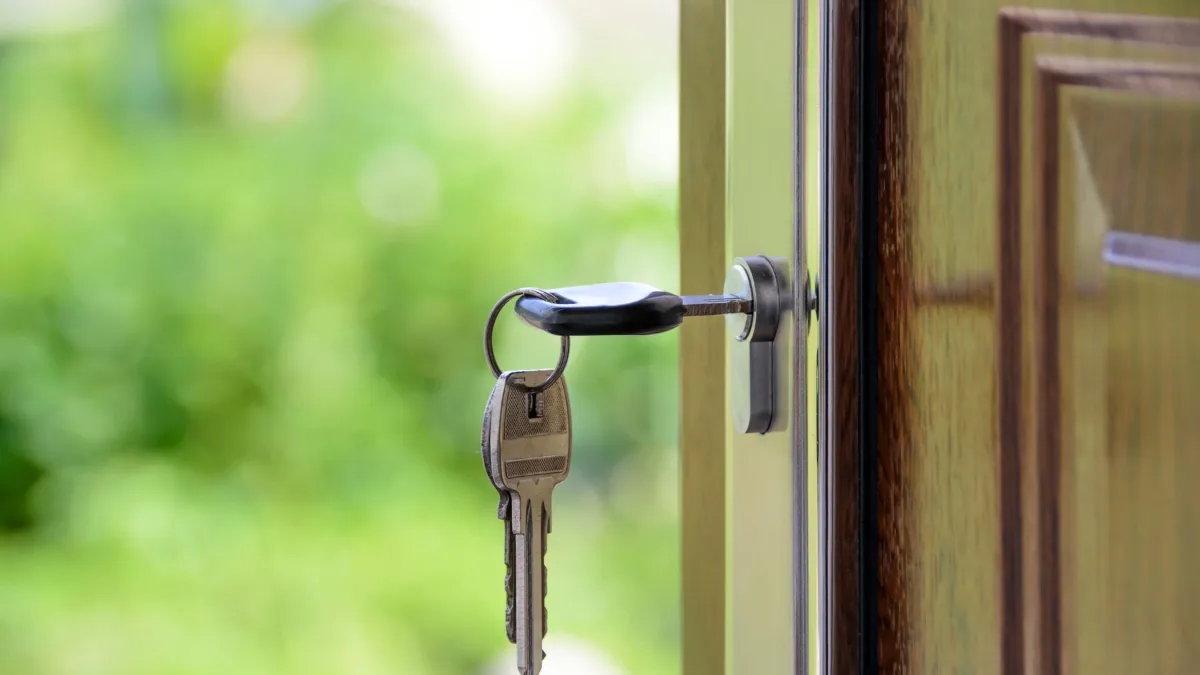
Stop hiding the spare key
Under the mat, in the planter and above the door are the first places anyone looks. A combination lockbox or a trusted neighbor is safer.
Set up a daily check-in
Agree on a simple daily text or call with a friend or family member. If you have health conditions, a medical alert device lets you call for help even if you cannot reach the phone.
Keep your phone close at night
Keep a charged phone by the bed, and save emergency contacts so they are easy to find.
Don’t forget fire safety
Test smoke and carbon monoxide alarms monthly and replace batteries as needed. Keep a small fire extinguisher in the kitchen.
Be careful at the door
If someone claims to be from a utility or a government agency, ask for ID and call the company using a number you look up yourself before letting anyone in.
Sources
This article is for general information. For a full home safety review, ask your local police or fire department whether they offer free home checks.