
Getting this wrong is paid in years, not dollars, and the bill arrives slowly.
The anniversary photo shows two people dressed up and holding a cake. The version nobody posts shows a CPAP machine on a nightstand, a thermostat nailed at 68 in winter and 74 in summer, and two personal accounts holding $150 each that neither partner has to explain. The photo is the occasion. The rest is the marriage.
A couple married 52 years, now 76 and 78, retired 11 and 9 years ago and still in the same three-bedroom ranch house outside Columbus, Ohio, would put it plainly. Their marriage is not held together in spite of the separate bedrooms or the 30-year argument about the thermostat. It runs on them.
What follows are thirteen of those mechanics. None of them means a marriage is failing. Each is cheaper in proportion to how early it gets named, and by the last one you will be able to point at the truth already live in your own house this week.
The thermostat fight that never ends, the four years of nursing, the bedrooms down the hall, the money nobody has to justify: these are not the failure of the romance. They are the load-bearing walls of it, and they hold far better when you plan for them than when you find them in a hospital corridor.
Quick Tips Before You Start
Name the fight
Call your recurring argument what it is — our thermostat fight — so it becomes weather, not a grievance.
Count the bedrooms
Separate rooms for snoring or a CPAP is a sleep decision, not a retreat — as long as you keep morning coffee together.
Set the $150 rule
One joint account for shared expenses, plus a personal account each that requires no receipt and no defense.
Sign the proxy
Health care proxy and power of attorney, done while you are both well enough to argue about the wording.
Book the same morning
Schedule both annual physicals for the same day so neither one sits alone in the waiting room.
How Everyday Life Actually Looks

The day-to-day of a long marriage is not a series of grand gestures. It is two shared meals, a standing Sunday drive, a kiss hello that is a habit and also, each time, a decision.
This section covers the logistics, the recurring fights, and the silence. These are the things that fill the calendar and the air, and they are where most couples either build a comfortable routine or drift into two separate lives under one roof.
1. Romance Shrinks to Logistics and Survives Anyway
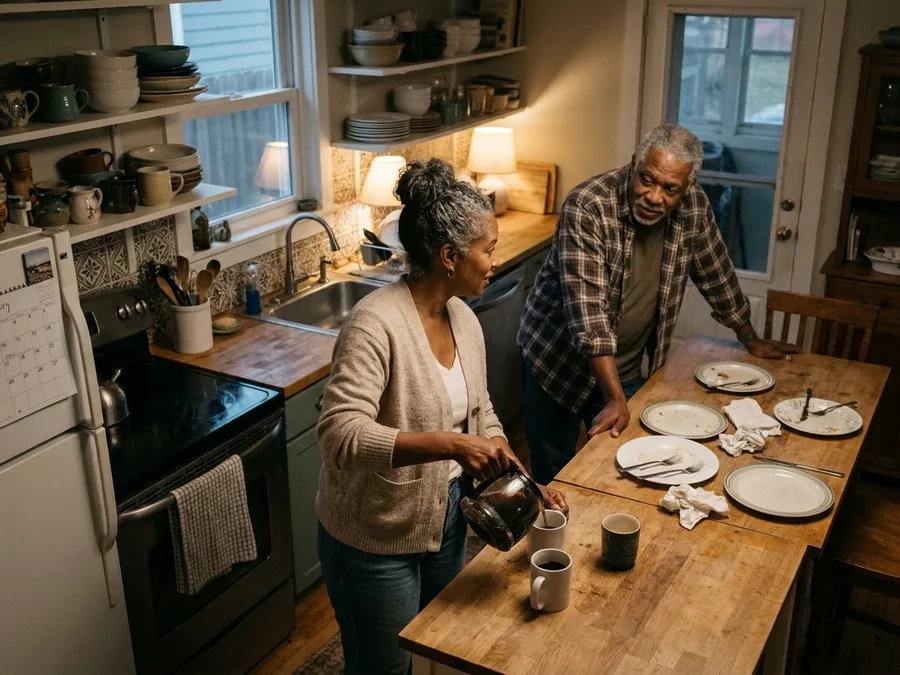
A long marriage runs on a short list of events. Two shared meals a day. A drive on Sunday that nobody has to propose anymore. A kiss hello that is habit on the surface and a small decision underneath it, made again at the door each time.
The calendar of a couple married five decades is mostly made of each other's errands, and that is not the romance dying. It is the romance relocating into the ordinary.
Spontaneity gets traded for scheduling, and the trade is worth taking. A night out that is written down and booked gets taken. A 20-minute walk after dinner, phones left on the kitchen counter, happens because it is on the week rather than because the mood struck.
Here is the line that separates close couples from two people who share a house. A small touch most days, and one conversation a week that is not about logistics. Two habits, and nothing else on the list.
If your house is already split into separate meals, separate weekends and separate money, a fuller calendar will not fix it. The conversation comes first, before the date nights and the walks, or you will schedule your way around the thing that needs saying.
The walk and the drive cost an hour. The other version costs years, until two people share an address and a tax return and can no longer name what else.
💡 Tip: Put the walk on the calendar like a doctor's appointment. If it is not scheduled, it does not happen.
2. You Will Argue About the Same Three Things Forever
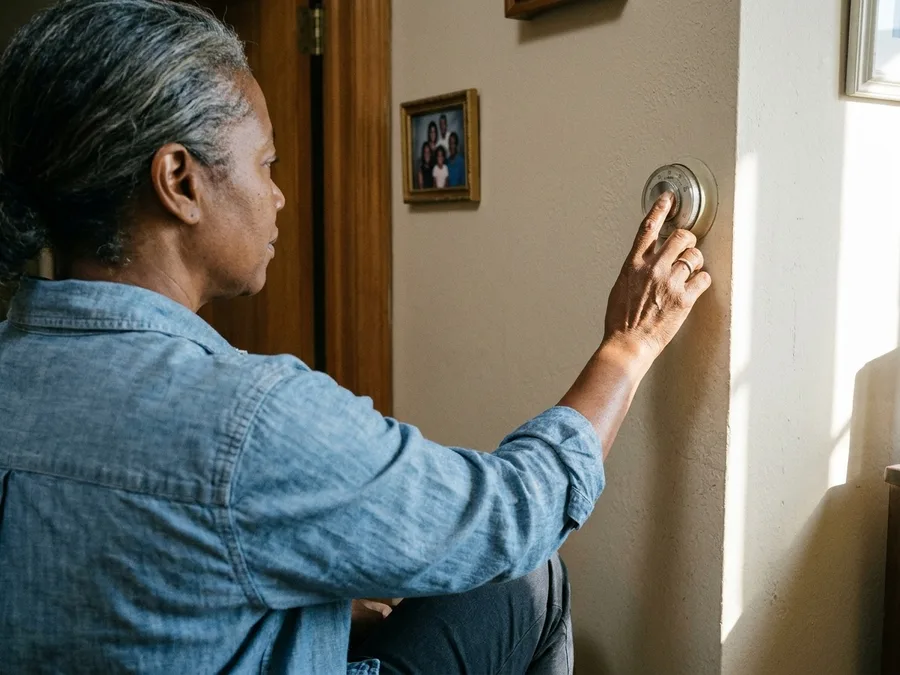
The fight comes back because it was never meant to leave. A shared life is mostly upkeep, and upkeep has friction in it – the same friction on the same schedule, winter and summer, year after year.
In the Columbus ranch house it is the thermostat. He sets it to 68 in January, she moves it to 74 in July, and this exchange has run about 30 years without either of them winning a single round. Not a defect in the marriage. A permanent item on the list.
Frequency does not taper off with the decades. What changes is the recovery time in between.
Young couples can stay sore about a disagreement for two days and hardly notice. After 50 years, a routine clash can sour a whole afternoon over something both partners have already forgotten the details of – which is why speed back to normal matters more than the count of rounds fought.
The moves that get you there are unglamorous. A lap around the block without resolving anything. A joke landed early, before the temperature of the room drops. Saying out loud, 'Here is the thermostat fight again' and naming it so it quits being a grievance and turns into weather you both expect.
There is one pattern that is not a recurring argument and does not belong in this category. Name-calling, contempt, one partner going quiet and small while the other gets loud and certain – that is the signal to bring in a doctor or a counselor, not to try a longer walk.
Ten minutes and a joke keeps this cheap. Thirty years of keeping score on a fight nobody can win is the other bill, and it comes due slowly, in a house where the temperature is always somebody's fault.
💡 Tip: Agree on a phrase that means 'we are in the thermostat fight again' — it defuses more than any attempt to win.
⚠️ COMMON MISTAKE
The silent scorecard
Most couples over 50 keep a running tally of who did what last — the night feedings, the relocations, the years managing a parent. That ledger is normal, but reciting the whole list in an argument about the dishwasher is the mistake. Name one item, not the archive.
3. Silence Becomes Company, Not a Warning Sign

The couple that can let the same argument run for decades has usually learned the other half of the skill too – how to be in a room together with nothing said at all, and not treat the quiet as a problem to be fixed.
Picture a Sunday afternoon in the ranch house. Two recliners, a paperback and a crossword, and one person rising to pour the second cup of coffee without being asked, setting it down, sitting back down. Nobody feels obliged to fill the space.
The quiet that is chosen has a texture the other kind does not. Chosen: shared, easy, both people present in it. Withdrawal: whole days of it, a meal skipped without comment, one partner quietly stopped joining anything – the book club, the Sunday drive, the walk after dinner – until the chair beside the other one is empty.
That distinction is worth checking every few weeks, because quiet is also the first place a health problem hides. Hearing loss gets mistaken for a preference for solitude. Low mood gets read as contentment. Pain gets absorbed into the armchair. The signal is a change from the usual quiet, and it belongs in a doctor's office rather than tolerated into a third year.
The rule that keeps the silence warm is small: one real conversation a day, and it cannot be about the schedule, the pills, or who is fetching what from the store.
One conversation costs almost nothing. Months of a partner slipping into silence without anyone naming it costs far more, and by the time it gets a label, the habit of talking has to be rebuilt from the ground up.
Bodies, Sleep and the Work of Caring
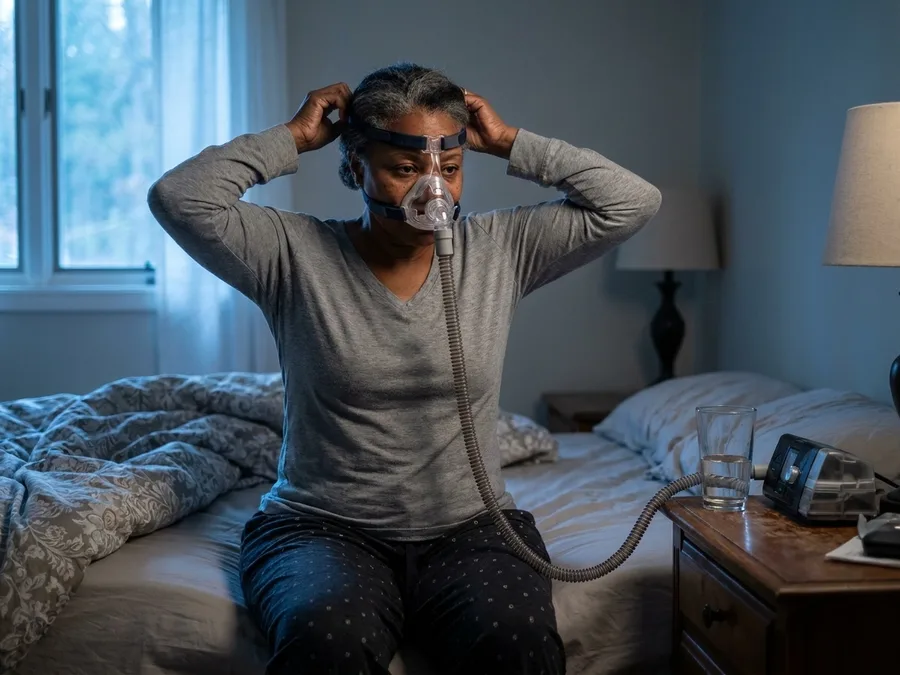
The body is where the marriage gets tested in ways nobody warns you about. Nursing, saying the hard thing, sleep, sex — these are not separate from the relationship. They are the relationship, once the logistics are handled.
This section covers what happens when one of you gets seriously ill, how to talk about a body that is changing, why separate bedrooms can save the marriage, and why sex changes shape but does not disappear.
4. You Will Become a Nurse Without Applying

The first sign that one of you is about to become the other's nurse is usually something small and unspoken — a cough that lingers, a hand on the counter to steady a moment. By the time it has a name, the job has already started, and nobody applied for it.
A cardiac stent is how it typically arrives. One partner comes home with a discharge folder, a new medication schedule, and follow-up appointments that need booking, and the other partner absorbs all of it without anyone deciding to.
Robinson and his wife, married 52 years, are into roughly the fourth year of exactly that: he manages her medications and her appointments, layered onto everything he was already handling — the bills, the groceries, the dog.
That is the true shape of caregiving in a long marriage. It is not a season; it is a second job with no hours off, no reviews and no pay, and it accrues quietly.
Resentment will show up, and it does not mean the resentful partner is a bad spouse. It means one person has quietly taken on two jobs and never once said so out loud.
Paperwork done while both of you are well is what keeps that stretch livable. A signed health care proxy, power of attorney, and one shared medication list on the fridge that either of you can hand to a paramedic at 2 a.m. and be believed.
Respite belongs in the plan, not the apology. Name who covers an afternoon off — a neighbor, a grandchild, a paid aide — and treat asking for it as maintenance, not as a failure of devotion.
The costs differ entirely. Planned: a signed proxy and a list on the fridge. Discovered: four years of nursing begun in a hospital corridor with no documents, no plan, and no one who has slept.
💡 Tip: Put the medication list in a plastic sleeve on the fridge door. Paramedics are trained to look there.
Caregiving — At a Glance
✍️ Who decides
The proxy, not the next of kin — name one person, not two
📅 When to sign
Both of you well and in the same room — a hospital cannot witness it
💊 Medication list
Doses and times, not just names — paramedics need the schedule
🤝 Respite math
Four hours a week, booked in advance, not promised in a crisis
⚠️ Skip this if
One of you already has a diagnosis — call the elder-law attorney this week
Why it works
The proxy and the fridge list get used in the first 48 hours — the window when decisions cannot wait for an office to open.
5. Bodies Change and Someone Has to Say It

The nursing starts earlier than the diagnosis — usually with the thing nobody in the house will say out loud. A television that keeps getting louder, a second helping nobody mentions, a cough that has been clearing itself for months.
The hearing aid is the classic case. Refused and undiscussed for two years, the very mention of it treated as an insult, while the TV volume climbed and the conversations shrank to the essentials.
What finally booked the appointment was not a confrontation. Both annual physicals went on the same morning, hearing tests added on, and the whole thing framed as one shared errand. He walked in beside her, so there was nothing to defend.
The sentence that works is an invitation. "I want to talk to you at dinner." The one that fails is an accusation. "You can't hear."
Tone is the whole of it — the difference between a partner who is concerned and one who is keeping score. The first gets a hearing test; the second gets two more years of volume.
Some things do not get to slide as personality traits. Snoring with pauses, weight that changes without explanation, a cough that outlasts a month — each one is a doctor's appointment, not a quirk.
Book both physicals for the same morning, so neither of you sits in a waiting room alone with nothing to do but worry. One calendar entry covers two people.
6. Separate Bedrooms Can Save the Marriage
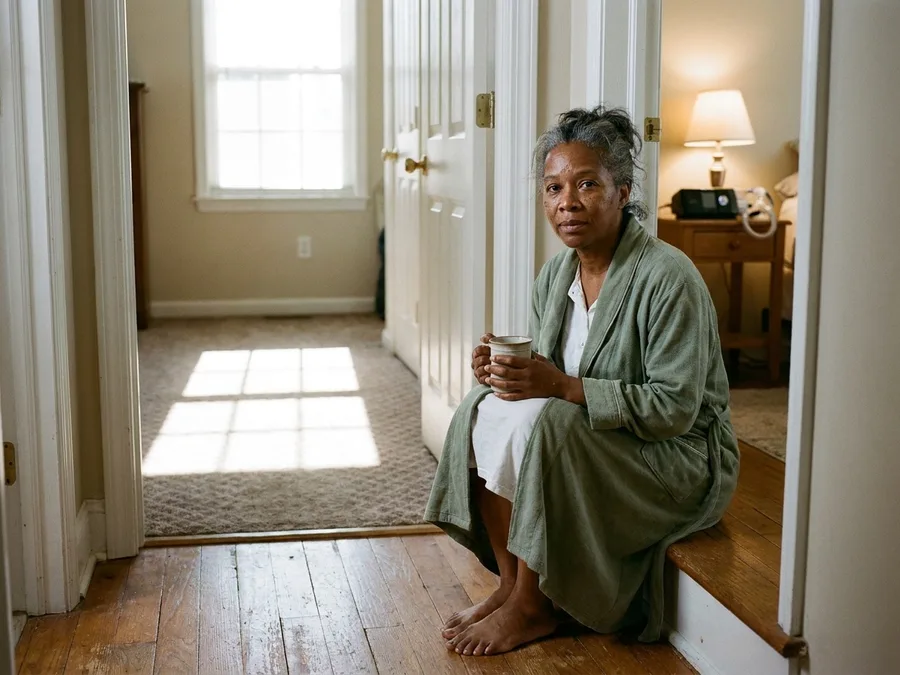
The snoring nobody wanted to name is often the snoring that ends up solving the sleep problem – by moving one person down the hall.
Six years ago, noise and a CPAP machine put a couple into separate bedrooms. Both of them now say they sleep better than they have in decades, and neither describes it as a retreat. It was a sleep decision: the goal was for both of them to be rested enough to be decent company at breakfast.
A separate room is not a separate life unless you let it become one.
What keeps it from drifting is scaffolding. The same bedtime ritual, the coffee together in the morning, the small contact that has nothing to do with who sleeps where. The trouble starts when separate bedrooms turn into separate dinners, separate weekends and separate calendars – at that point the room is not the cause, it is just where the distance became visible.
Some snoring is not a sleeping arrangement problem at all. Snoring with gasping, falling asleep in a chair by mid-afternoon, exhaustion that does not lift after a full night – those get a doctor and possibly a sleep study, not a spare room. Treat the untreated apnea and the snoring often quietens on its own.
Planned, this costs one spare bedroom and a conversation about bedtime. Discovered, it costs years of two tired people being short with each other over the dishwasher, the mail, nothing at all.
💡 Tip: If you move to separate rooms, keep the morning coffee ritual. It is the glue that makes the arrangement work.
Myths About Long Marriage
7. Sex Changes Shape and Doesn't Disappear

Ask a couple married five decades what changed in bed and the answer rarely involves a single dramatic moment. The change is slower than that: a medication that flattens desire, a knee that aches in the position that used to be easy, a window of energy that now falls before dinner instead of after.
Each of those has a doctor on the other side of it, not a verdict about the marriage.
Blood pressure drugs, antidepressants, and the hormonal shifts of menopause and andropause all touch desire and timing, and a physician can adjust a dose or name a workaround that neither partner can figure out alone at 11 p.m. Enduring it in silence is the expensive option; the fix usually begins with one appointment.
What replaces performance is conversation, and it works better when you drop the metaphor and use plain words.
Say the specific thing instead of hinting. Which touch still feels good, what you have been faking for a decade out of politeness, what you want more of. Couples who talk this way describe something closer to ease than to the urgency of their thirties, and it holds up.
The rest of the marriage holds it together, and that rest is built in daylight.
A hand on a shoulder while the coffee brews, the kiss goodbye at the door, sitting close enough on the couch that your arms touch. None of this is a consolation prize for the sex that changed shape; it is the ordinary contact that keeps the door open, and couples who stop touching altogether are the ones who find the subject closed within a few years.
One clarification worth stating plainly: this is not the story in every house.
If grief has moved in, or a serious illness, or a partner who has quietly withdrawn into themselves, then the conversation is a different one and it usually needs a doctor or a counselor in the room. What helps there is not a technique but a willingness to name what has happened out loud.
The line between couples who adapt and couples who go quiet is a single honest exchange, offered early. Skip it and two people can spend fifteen years assuming the other one lost interest, each waiting for the other to raise it.
Money, Family and the Ledger You Keep

Money fights are never really about money. They are about being consulted, being kept informed, or being overruled in a house where both people have a say.
This section covers the invisible accounts kept with money, children, and old grievances — and how to settle them before they settle you.
8. Money Fights Are Never Really About Money

Watch a couple in their seventies argue over a $200 purchase and you are not watching a fight about $200. You are watching a fight about who got consulted, who got told, and who got overruled in a house where both people are supposed to have a say.
That difference explains why the same argument can return for thirty years without ever being settled. The dollar amount was never the subject.
The structure that defuses it is almost embarrassingly simple: one joint account for the mortgage, the groceries, the utilities and the shared life, plus a personal account for each partner holding around $150 a month.
Money in the personal account goes where it goes. No receipt, no justification, no case to be made at the kitchen table. One partner buys the absurd fishing reel; the other buys the third pair of shoes that look like the first two. Neither has to explain, and the fight that was never about money stops arriving.
What changes with retirement is the pressure behind the number.
The couple who retired 11 and 9 years ago watched a paycheck become a fixed monthly figure that no longer moves. When income stops flexing, every purchase starts to feel like the last one available, and a small one lands with the weight of a large one. That is why the arrangement belongs in place before the fixed income arrives, not after the first bad fight about a birthday present.
There is a real exception here, and it deserves saying.
Some couples long ago decided that one partner would handle every dollar, and both genuinely agreed to it, out loud, years back. Those two do not need this. The structure only matters when the agreement was never actually spoken and one person has been quietly guessing at the rules ever since.
The cost of doing nothing is not one fight. It is the same fight at $200, then at $2,000, then at whatever figure the next decade brings, for as long as you both shall live.
💡 Tip: The $150 does not have to be spent. The point is that neither partner has to justify it.
💡 PRO TIP
The pre-call agreement
Before you pick up the phone to a grown child asking for money, agree on the answer together. Never promise in the moment with a child listening — settle it in private and call back with one answer from two people.
9. Grown Children Rearrange the Marriage

The claims on a retired couple arrive long after the children leave, and they arrive from the children. A standing babysitting day every Tuesday. A request for help with a down payment. A holiday calendar now split three ways, with two other families who want the same week in December.
None of this is a betrayal. It is the ordinary pull of a grown family, and it lands hardest on two people who never agreed on where the line sits.
The number and the limits get settled between the two of you before the phone rings. Not in the moment, and never with a grown child listening for the answer. What that looks like in practice: a Saturday morning conversation where you both write down how many babysitting days a week you can actually do, what loan you can afford to lose, and which holidays are yours.
Write them down, because numbers on paper are harder to revise at 9 p.m. under a hopeful voice.
When the two of you disagree, and you will, the disagreement gets resolved in private and returns to the child as one answer.
One partner wants to say yes to the loan; the other sees the retirement account thinning. That conversation belongs in your bedroom, not on the phone. When you come back to the child, the answer comes from both of you, and the child cannot play one against the other – because there is nothing to play.
The line that protects the marriage is small and strict: no promise made to a child without the other partner's agreement, however small the promise sounds when it is being asked for.
A yes to one Tuesday of babysitting sounds tiny on the phone. Multiply it by a year and it is fifty-two days of somebody's retirement.
One conversation before the phone rings costs an hour. The loan agreed in a kitchen at the moment of asking, then resented in a bedroom for a decade, costs far more than the money.
The Numbers Behind the Ledger
What a long marriage actually costs and saves
10. You Keep a Ledger You Swear You Don't
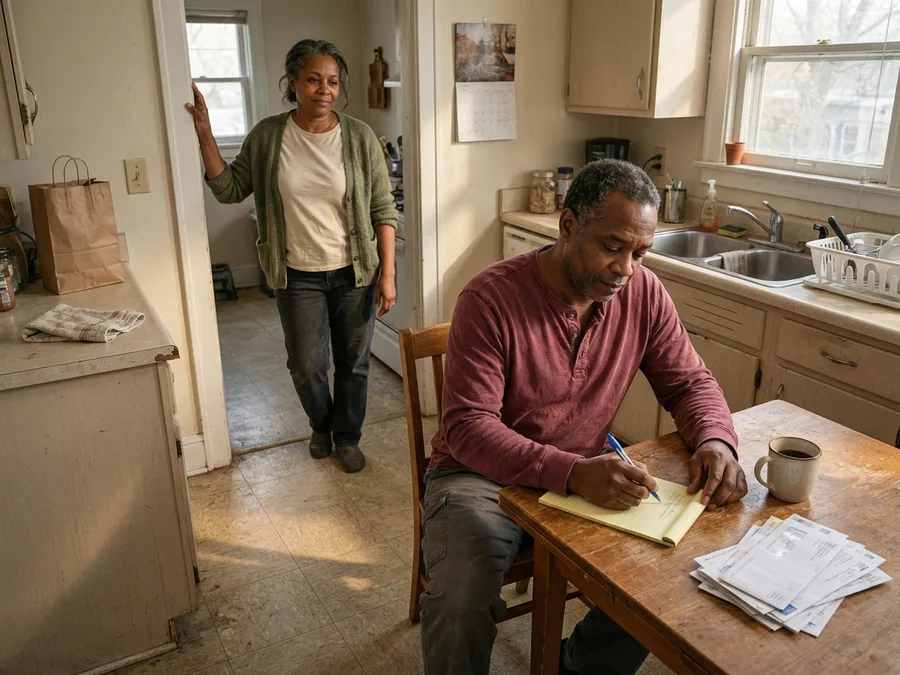
Somewhere in the back of the marriage there is a column of entries nobody wrote down and nobody has ever been paid for.
Forty years of three a.m. feedings. Two moves across the state because one partner's job said so, each one costing a friendship or two and a year of feeling like a guest in your own kitchen. Then the long stretch that began when your mother moved in and lasted, in some houses, until your father followed her. Every hour of it tallied somewhere. None of it ever billed.
Retirement turns the volume up on all of it. When both of you were out the door by seven, the split of labor was whatever was left at the end of the day, and nobody could see it closely enough to argue with it. Now you are both in the house at nine on a Tuesday, and the load is right there in the room where anyone can point at it.
That is why the fights about the dishwasher are never about the dishwasher. It is not the dishwasher and you know it.
A retiree who has handled every appointment for thirty years can feel invisible inside a single morning. The other one has no idea what it takes because it has never been described out loud, only absorbed.
The move is not to read out the whole ledger. It is to name exactly one line and move one task along with it.
Pick something small and current. Hand over the medication list and the pharmacy login, and let the other person sit on hold with the insurance company for the first time in years. Let the partner who has never once planned a week's dinners take two of them. It will take one awkward evening to agree and about a month of somebody doing it badly before it becomes habit.
The distinction that matters is between a bill worth settling and a wound that keeps reopening.
A specific, recent, re-divisible item can be fixed at the kitchen table on a Sunday. A twenty-year-old grievance that surfaces in every argument about money or the car is not a chore-chart problem, and no spreadsheet will touch it. That one belongs in front of a counselor, or at least in a doctor's office where someone can say out loud that this is heavy for one or both of you.
One item named, one task handed over, costs about an hour. The whole list arriving at once, in a fight that started over the dishwasher and ended in the hallway, costs a week of the two of you not liking each other very much.
Planned vs. Discovered
Planned
- Health care proxy signed and on file
- One shared medication list on the fridge
- Annual physicals booked the same morning
- $150 personal accounts each month
- One recurring fight closed, not won
Discovered
- Nursing begun in a hospital corridor with no documents
- The same $200 argument for decades
- Two years of a hearing aid refused
- Years of two tired people short with each other
- The worst week of someone's life spent looking for a password
What Holds After Fifty Years

Forgiveness is a chore, not a feeling. Retirement is a renegotiation, not a holiday. And one of you will be alone first.
This section covers the three truths that decide whether the last decades are shared or simply endured.
11. Forgiveness Is a Chore, Not a Feeling
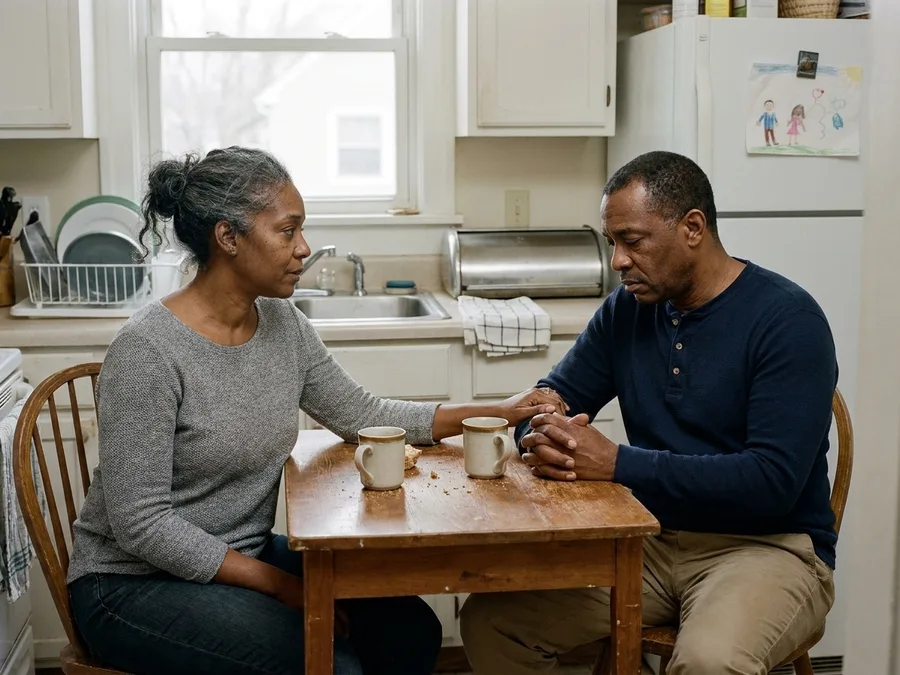
The thing that keeps a long marriage from setting like concrete around its oldest hurts is repair, and repair is less a feeling than a habit someone has to practice until it gets boring.
Filed under today. Not recycled next Tuesday, not reopened at the next holiday visit.
Then close the argument and move on. The thermostat will be back next winter, and so will whatever yours is. The skill is not winning it. The skill is finishing it and being able to say good morning the next day.
There is a version that works in about twenty seconds. Say you are sorry for your part and stop. No justification attached. No timeline of what the other person did first. No reminder that you had been up since five. Just the apology, spoken within the day.
The weekly version keeps the list short. Ten minutes on Sunday, ideally over coffee, about how the week felt rather than who was correct, about which of the small weekly collisions landed badly and which one nobody remembers by then.
Every long marriage closes the thermostat argument and knows it will reopen next winter. Closing it is the task, and going through those motions for thirty years is the method.
None of that covers contempt, control, or violence, and if one partner is careful and the other is never wrong, this is not a reconciliation problem. That route starts with a doctor or a counselor rather than more effort at the kitchen table.
What is worth knowing is that this costs almost nothing if you do it.
One apology and ten minutes of coffee on a Sunday. A grudge that outlives the argument by two decades is expensive in a different currency you only find out about when you're short of it.
12. Retirement Is a Renegotiation, Not a Holiday

Once the schedule that structured every argument and every apology is gone, the two of you are left in a house together without the thing that used to keep it organized. And in the house outside Columbus, the schedule had been the scaffolding around every argument and apology for years.
Here is the number that nobody sat down and planned for. Two people who retire 11 and 9 years apart, as this couple did, now share roughly 60 waking hours a week that they used to spend separately. That is not a minor adjustment to the schedule. It is a new arrangement of the day, and one most couples walk into without ever having discussed the terms.
The fights that happen in the first warm months tend to be about territory, and they are specific and predictable. The kitchen. The television. Whether the window gets opened. Each one ends the same way – not when both people become more careful with each other, but when somebody finally says who owns what, and the other person agrees to the deal out loud.
The first stretch at home is not a preview of the rest of it. If you are in month two and feeling irritability you have not felt since your twenties, and one of you has suddenly developed fierce opinions about lunch, that is the adjustment period, not the whole rest of your life.
Some of those blank hours are not for each other. Separate errands, separate friends, separate afternoons where nobody has to explain where they were.
And one shared routine that never turns into a chore. The twenty-minute walk after dinner, with neither phone in a pocket, is what keeps the two of you talking when nothing else is. Separate calendars with some blank days left in them keep that routine running. Two lives without a shared hour produce a house where two people come and go and never once have a conversation that isn't about a bill.
💡 Tip: Decide who owns the kitchen, who owns the thermostat, and who owns the television. It sounds silly; it ends the fights.
📄 The Paperwork Timeline
This week
Write down every account, password, and doctor's phone number in one notebook.
This month
Sign the health care proxy and power of attorney while you are both well.
Next physical
Put the medication list on the fridge and book both annual physicals for the same morning.
Before the call
Agree on the answer to any grown child's request before you pick up the phone.
Next winter
Close the thermostat fight instead of winning it — name it, joke about it, move on.
13. One of You Will Be Alone First
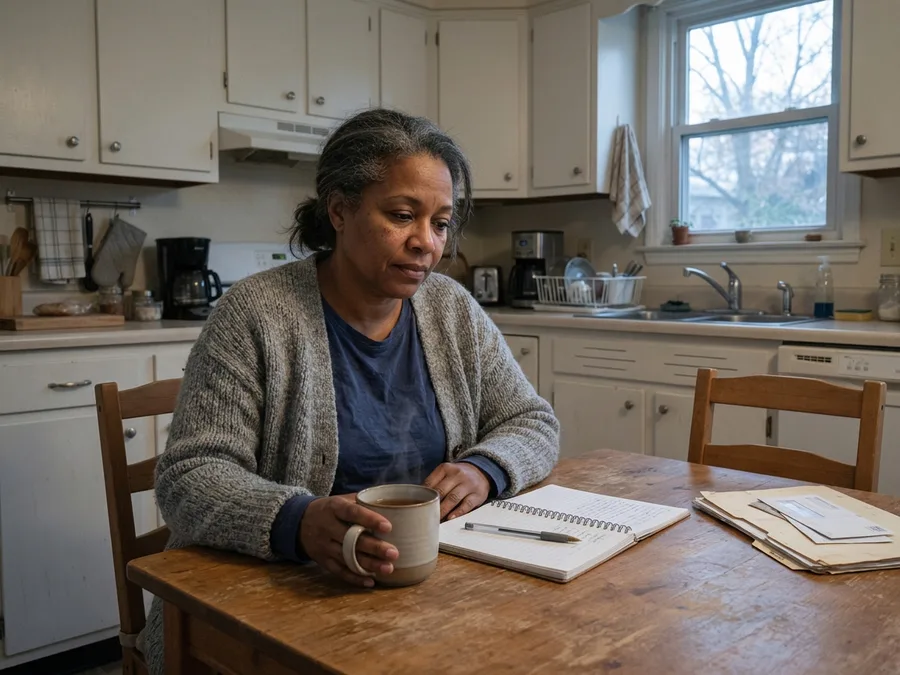
Every arrangement two people build over five decades assumes there are still two of them to run it. The territory mapped out, the errands split, the bills assigned to whoever has always done them – all of it depends on both pairs of hands still being in the house.
Then one set of hands is gone. The last piece of planning a marriage needs is the piece where you decide, out loud and while both of you are still here to answer, what happens to the survivor.
The papers are the easy half, and they take an afternoon: wills that reflect the current house rather than the one you owned in 1998, a health care proxy for each of you, funeral wishes written down instead of hinted at over dinner and misread by a cousin, and a single sheet listing every account and password that either of you could pick up and use without a phone call to the bank.
Put them in one folder, tell each other where it lives, and be done.
💡 Tip: Use a shared password manager or a paper notebook. Either works; the point is that both of you can find it.
Frequently Asked Questions
Is it normal to stop fighting after decades of marriage?
No. The frequency of fights does not fall with the decades; what changes is recovery time. The measure of a long marriage is how fast the two of you get back to normal, not how few rounds you fight. The same three arguments — the thermostat, the thermostat, the thermostat — recur and never settle.
Does sleeping in separate bedrooms mean the marriage is in trouble?
Not necessarily. For this couple, separate rooms for six years, driven by snoring and a CPAP, improved sleep and reduced daytime friction. The warning sign is when one partner stops joining anything, not when one partner moves down the hall.
How do I talk to my spouse about a health problem they are ignoring?
Frame it as an invitation, not an accusation. 'I want to talk to you at dinner' works; 'you can't hear' does not. Book two hearing tests on the same morning as the annual physicals so it feels like a shared errand rather than a verdict.
What paperwork should we finish while we are both well?
Health care proxy, power of attorney, wills, and one shared medication list on the fridge that either of you can hand to a paramedic. Also write down every account and password in one place both of you can find.
Why do we still fight about money after all this time?
A fight over a $200 purchase is never about $200. It is about being consulted, being kept informed, or being overruled. The fix is structural: one joint account for shared expenses, plus $150 a month in each partner's personal account that requires no explanation.
Will we drive each other crazy once we are both retired?
The six-month adjustment is real. Two people who shared about 60 waking hours a week suddenly share far more, and the first stretch — the irritability, the shadowing, the sudden opinions about lunch — is not evidence about the rest of it. Separate errands, separate friends, and one shared routine that is not a chore keep it livable.
Pick One Truth Already Live In Your House
All thirteen are survivable, and every one of them gets cheaper when it is planned for rather than discovered: the thermostat, the spare bedroom, the $150, the proxy, the list of passwords. The couple in the anniversary photo are the same two people who have replayed the thermostat fight for 30 years and slept in separate rooms for six, and the marriage is not diminished by that – it is made of it.
This week, name which one of the thirteen is already live in your house. Then do the two things that cost nothing and buy the most: sign the health care proxy and write the account-and-password list together. And pick one recurring fight to close instead of win next time. Not the last fight, not the biggest one – the one that will be back next winter.
Getting this wrong is paid in years, not dollars, and the bill arrives slowly. The unposted reality – the CPAP machine, the thermostat set to 68 in winter and 74 in summer, the two $150 accounts – is not the end of something. It is the structure, and it is cheaper to build on purpose than to discover in a hospital corridor.
Start With the Proxy
Book one afternoon this week to sign the health care proxy and write the password list. It is the cheapest insurance you will ever buy.