

Most of a retiree’s day goes to four things: sleep, television, housework and meals. Americans aged 65 to 74 have about 6.9 hours of free time a day, and TV takes 4.2 of them. Exercise gets 20 minutes. Golf hardly shows up at all.
Those numbers come from the Bureau of Labor Statistics, which asks thousands of Americans to log a full day, minute by minute. The latest results cover 2025.
I retired at 62 with a long list of projects. My first year looked a lot more like this data than like my list. Here is what retirees do all day, and what the happiest ones change.
The short version
- People aged 65 to 74 get about 1 hour 45 minutes more free time a day than the average adult.
- Nearly all of that extra time goes to television.
- Housework fills 19 hours a week, and one in five people over 65 still works.
- Strong relationships and a sense of purpose are tied to better health in later life.
What Retirees Do All Day, Hour by Hour
Here is the average day for Americans in two age groups. Each row is an average across everyone in that group, including people who skipped the activity that day.
| Activity | Ages 65 to 74 | Age 75 and up |
|---|---|---|
| Sleep and personal care | 9.6 hours | 9.9 hours |
| Leisure and sports | 6.9 hours | 7.4 hours |
| Housework, cooking, yard | 2.7 hours | 2.7 hours |
| Eating and drinking | 1.3 hours | 1.5 hours |
| Paid work | 1.1 hours | 0.3 hours |
| Shopping and errands | 0.9 hours | 0.8 hours |
| Clubs, church, volunteering | 0.5 hours | 0.4 hours |
The average for all adults is 5.2 hours of leisure. So a person in their late 60s gains about an hour and 45 minutes of free time each day.
That is the prize people work 40 years for. What happens to it is the surprising part.
TV Takes More Time Than All Other Leisure Combined

People aged 65 to 74 watch 4.2 hours of television a day. After 75, that climbs to 4.4 hours. The average for all adults is 2.6 hours.
Put another way, TV fills about 61% of a retiree’s free time. Reading, friends, exercise, hobbies and travel share what is left.
Now look at the gap. Retirees gain about 105 minutes of leisure a day over the average adult. Their TV time is higher by about 95 minutes. Almost the whole reward of retirement goes to the screen.
I am not against television. A good ball game is one of life’s pleasures. But 29 hours a week is more than most part time jobs.
Housework Quietly Becomes a Part Time Job
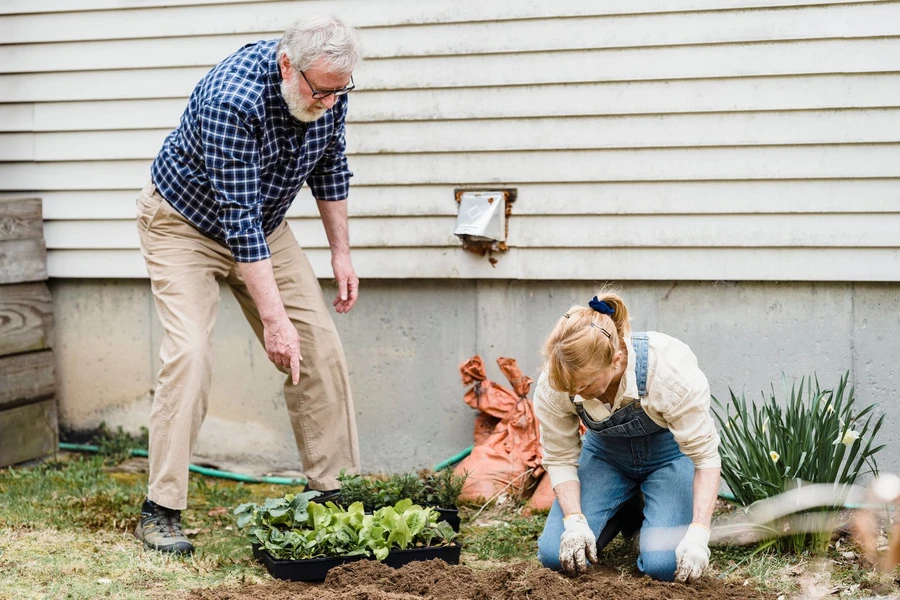
The second big block is work around the house. Cooking, cleaning, laundry and yard care take 2.7 hours a day for people over 65. That adds up to about 19 hours a week.
The average adult spends 2 hours a day on the same chores. Retirees do more because they are home more, and because there is finally time to do things properly.
Shopping and errands add almost another hour a day. This is often where the feeling of “busy all day, nothing done” comes from.
One in Five People Over 65 Still Works

Retirement is not a clean break for everyone. In 2025, about 19% of Americans 65 and older were working or looking for work.
The share is highest right after the usual retirement age:
- Ages 65 to 69: about 33%
- Ages 70 to 74: about 19%
- Age 75 and up: about 9%
Some work because they need the income. Others miss the routine and the people. If that sounds like you, see our list of modern skills retirees are getting paid for.
Reading, Friends and Exercise Get the Leftovers

Here is how the rest of a 65 to 74 year old’s free time breaks down on an average day.
| Activity | Minutes a day |
|---|---|
| Socializing and talking | 33 |
| Relaxing and thinking | 29 |
| Reading | 28 |
| Games and computer time | 26 |
| Sports and exercise | 20 |
Twenty minutes of exercise is the number that worries me most. It is the same as the average for all adults, even though retirees have far more free hours.
Time with other people is flat too. Retirees spend about 33 minutes a day socializing, which is no more than the average adult manages.
So How Many Retirees Play Golf?
About one in ten. The National Golf Foundation says players 65 and older make up 22% of the 29 million Americans who played on a course in 2025.
That works out to roughly 6.4 million golfers, out of about 65 million older Americans. The one in ten figure is my own math from those two numbers, not an official rate.
So the picture on every retirement brochure describes a small slice of real life. Nine in ten retirees are doing something else.
Helping Others: Volunteering and Family
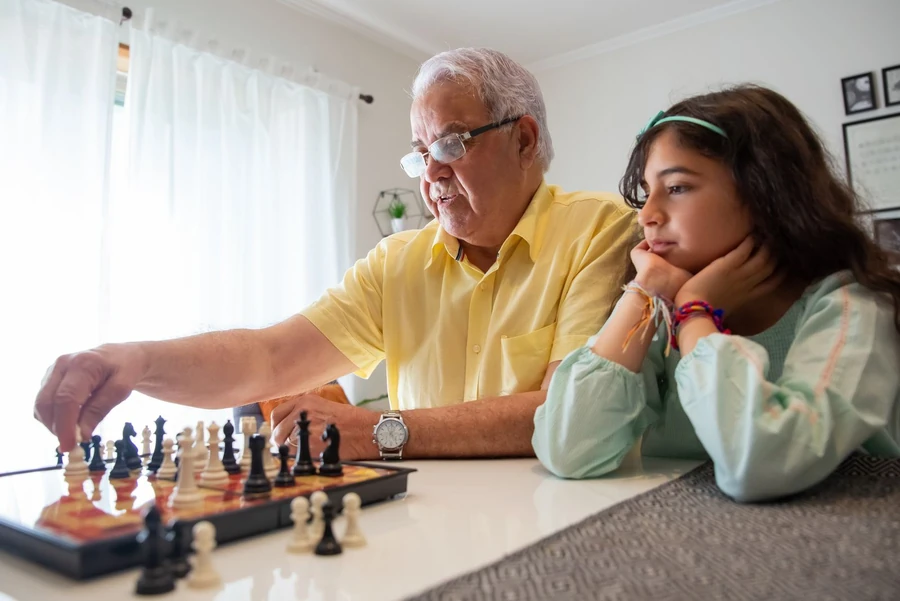
A good share of retirees give their time away. In the latest AmeriCorps survey, from 2023, about 27% of people in their 60s and 28% of people in their 70s volunteered through an organization.
Family help is harder to see in the numbers. On an average day, people aged 65 to 74 spend about 15 minutes caring for someone outside their own household. That average hides a lot. Many people do none, while a grandparent on school pickup duty does hours.
What the Happiest Retirees Do Differently

Time use data shows what people do. Other research hints at what works.
They invest in people. The Harvard Study of Adult Development has followed the same group for more than 80 years. It found that how happy people were in their relationships at 50 predicted their health at 80 better than cholesterol did.
They keep a reason to get up. A study of nearly 7,000 Americans over 50 found that people with the weakest sense of purpose had more than twice the risk of death during the study, compared with those with the strongest.
They watch their time alone. Pew Research found that Americans over 60 spend about seven hours a day alone. For people who live by themselves, it is more than ten. The National Institute on Aging links long term isolation to higher risks of heart disease, depression and memory decline.
None of this proves that a hobby or a coffee date will add years to your life. These studies show links, not guarantees. But they all point the same way.
We go deeper on this in the six types of retirees.
How to Check Your Own Day

You can run your own time study in a week. It takes a pencil and an index card.
- Write down what you did each day in one hour blocks. Do it at bedtime, and be honest.
- At the end of the week, add up three numbers: hours of TV, hours with other people, and hours moving your body.
- Pick one TV hour a day and trade it for something from the table below.
| Trade one TV hour for | What it gives you |
|---|---|
| A walk with a neighbor | Exercise and company at once |
| A weekly volunteer shift | Purpose and new faces |
| A class, club or workshop | A skill and a standing date |
| A call to an old friend | Connection, with no travel |
One hour is enough to start. You still keep three hours of television, and the day feels fuller.
Start small
Do not rebuild your whole week at once. Change one hour, keep it for a month, then look at your card again.
Questions People Ask About Retired Life
How many hours of TV do retirees watch a day?
Americans aged 65 to 74 watch about 4.2 hours a day, and those 75 and older watch about 4.4 hours. The average for all adults is 2.6 hours. These figures are from the 2025 American Time Use Survey.
How much free time do retirees have?
People aged 65 to 74 average 6.9 hours of leisure a day. After 75, it rises to 7.4 hours, the most of any age group. The average for all adults is about 5.2 hours.
Do most people get bored in retirement?
The time use survey does not measure boredom. It does show that free time rises sharply while time with friends and time exercising stay flat. That gap is where boredom tends to creep in, and it is the easiest part to change.
The Real Shape of a Retired Day
Retirement hands you close to two extra hours a day. The data says most of it drifts to the TV, without anyone deciding that it should.
So decide. Keep a time card for one week, then trade one hour. If you are still in your first year, our guide to the four phases of retirement explains why the early months feel so strange.
Figures are 2025 annual averages from the American Time Use Survey, released in June 2026. Averages include people who did not do an activity on the day they were surveyed.